Small wedding decisions that can cut waste, without cutting the joy
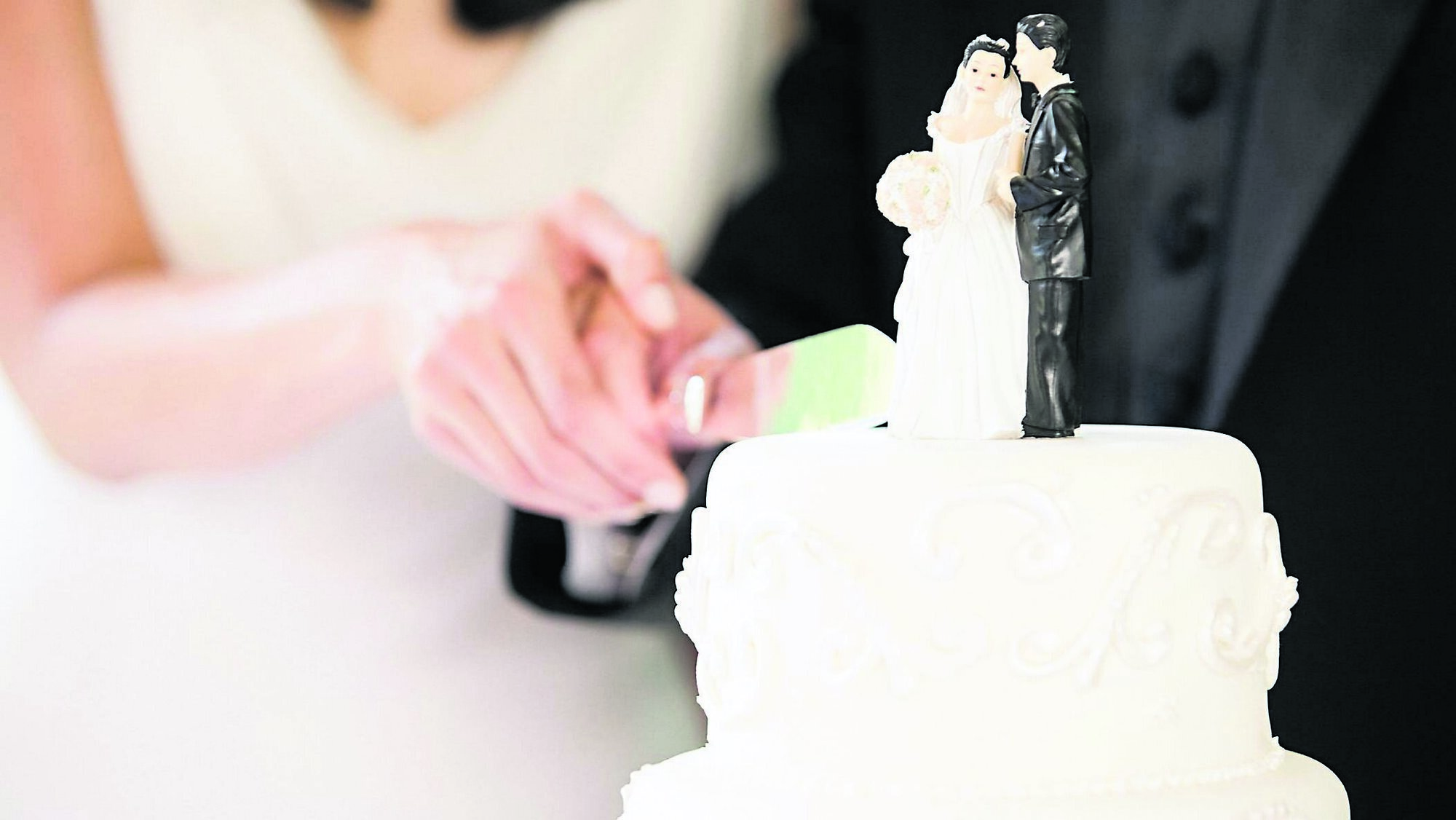
A 2017 Sainsbury’s consumer survey in the UK found that 15% of couples said they eventually threw wedding cake away.
Wedding season is well underway. With my wedding just over a week away, I have discovered that romance involves more administration than the films suggest. There are the seating-plan spreadsheets, the budget spreadsheets, the “have they actually replied?” spreadsheets. And then there is the most humbling of all, the spreadsheet asking fully grown adults whether they would prefer for dinner. Our venue asked guests to pre-order meals to help reduce food waste. At first, I saw this as one more task for the bride and groom. But it turns out there is a sensible environmental reason behind it.
The latest Environmental Protection Agency estimate is that Ireland generated about 835,000 tonnes of food waste in 2023. Restaurants and food services, including hotels and catering, accounted for 175,000 tonnes, or 21% of the total. Food waste matters because the land, water, energy and labour used to produce it have already been spent by the time it reaches a bin. Globally, food waste is linked to an estimated 8-10% of greenhouse-gas emissions. The EPA’s latest national figures are reported across food-supply-chain sectors, rather than separating out weddings. That matters, because average wedding footprint claims online are often difficult to trace or compare.
The EPA does, however, publish a benchmark for hotel events and functions. Its 2025 hospitality guide uses research carried out between 2016 and 2018, which found that Irish hotel functions generated an average of 530 grams of food waste per guest served. For a 100-person wedding, that would equal around 53 kilograms of food waste. This includes preparation waste, unserved food and plate waste. It is not 53kg of guests leaving dinner untouched. Even so, it is a reminder that catering is one area where planning can matter. A good customer experience does not need to mean large quantities of food waste. In a wedding-focused Irish hotel example, better portion control, less trimming waste, vegetables served in central dishes with refills, and staff training cut food waste per guest.
That is why meal pre-orders are more than a test of patience. They give caterers a clearer sense of demand, help them prepare safely for dietary requirements, and reduce uncertainty that can lead to food being made in excessive quantities “just in case”. A good venue will build in a margin for changed minds. But knowing whether a room is largely chicken, beef, hake or vegetarian is better than guessing.
CLIMATE & SUSTAINABILITY HUB
Our wedding cake prompted a similar calculation, albeit one that involved more enjoyable tasting. Wedding cake is a centrepiece, a dessert and a ceremonial prop all at once. You want it to look beautiful because it is inevitably photographed from angles nobody anticipated. But after canapés and a full five course meal, there is only so much additional sponge a person can reasonably manage. The most wedding-specific figures I found are from a 2017 Sainsbury’s consumer survey in the UK. It found that 15% of couples said they eventually threw wedding cake away; 37% of guests said they did not eat edible wedding favours. The precise numbers may not translate to Ireland, but the point feels familiar in that a spectacular cake is not automatically a cake that will be eaten.
We chose a smaller cake to be served with dessert. It will still get its moment in the photographs, but it will be part of the meal rather than an extra mountain of sugar at the end of an already food-rich day. It is not an earth-shattering environmental intervention. It is an attempt to match what we order with what guests are likely to enjoy.
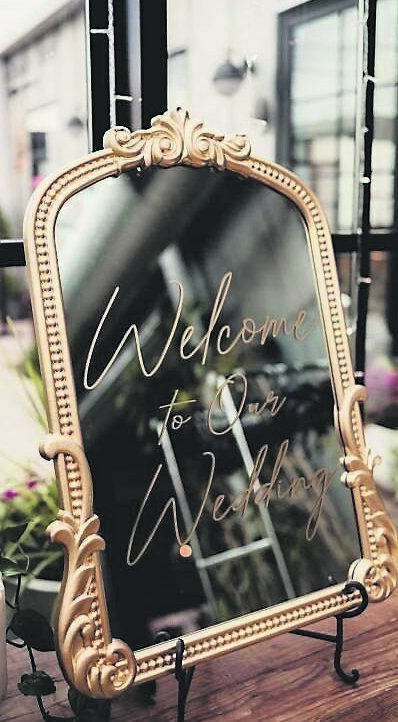
The same goes for the small material choices around the day. Rather than ordering a purpose-made welcome sign, we are using a mirror from our house with washable markers. It will feel personal for an afternoon and then return to being an ordinary mirror, rather than beginning a long retirement in the attic. We have also reused glass jars as candle vases. A tiny decision, but one that means fewer new objects bought for a few hours of table décor.
None of this makes our wedding perfectly sustainable, and it is not meant to. Weddings involve travel, food, flowers, clothes, music and celebration. It would be joyless to turn a once-in-a-lifetime gathering into an audit of every ribbon and canapé. The waste hierarchy is useful because it is uncomplicated. Prevention comes before reuse, and reuse before recycling. In a wedding context, that does not mean making confetti cones from old newspapers or rejecting anything new. It means pausing before buying something and asking will it genuinely add to the day? Does something already exist that could do the job? Could a little less still feel just as special?
The best weddings are not necessarily the ones with the most things. They are the ones where guests feel welcomed, well fed and delighted to be there. A meal choice, a sensibly sized cake, a mirror borrowed from your own hallway and glass jars pressed into a second life will not save the world alone. But small choices accumulate. And they can make a celebration not only beautiful, but a little more thoughtful too.


CONNECT WITH US TODAY



Be the first to know the latest news and updates