Awake to the consequences: How climate change is affecting our sleep
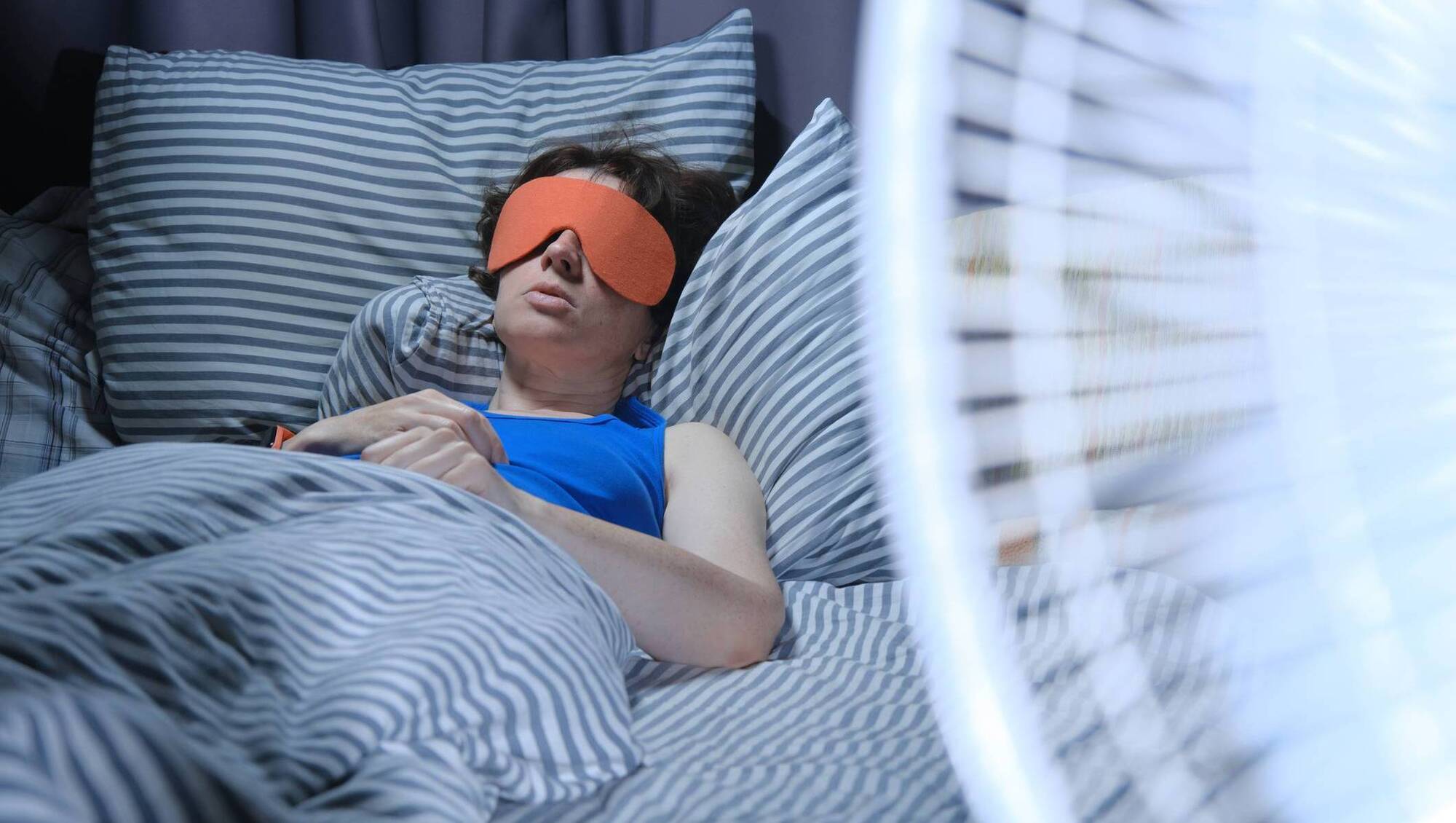
Sleep is surprisingly temperature sensitive with one recent study having found that warmer-than-usual nights shortened sleep, mainly because people fell asleep later.
There are many traditional reasons for a bad night’s sleep. A snoring partner. A dog doing a full-body starfish impression across the bed. The neighbour’s car alarm at 3am. Or, my personal favourite, your brain suddenly deciding to replay a mildly embarrassing conversation from 2008. But science suggests we may now add another culprit to the list: climate change.
Not in a dramatic, “the planet has personally cancelled your REM cycle” sort of way. More in a quieter, sweatier, scientifically measurable way where warmer nights can make it harder to fall asleep, stay asleep and wake feeling as though you have not spent the night wrestling a radiator. Something, we all experienced this June. This matters because sleep is surprisingly temperature sensitive. As evening arrives, our bodies naturally begin to cool. That drop in core temperature is part of the machinery that helps us nod off. Instead of drifting peacefully into sleep, we begin the ancient summer ritual: flip the pillow, kick off the duvet, pull it back on, open the window, close it because of one determined fly, and briefly consider whether sleeping in the fridge is medically advisable.
The evidence linking heat and sleep is now fairly substantial. In 2022, a study published in the journal analysed around seven million sleep records from wearable devices across 68 countries. The researchers found that warmer-than-usual nights shortened sleep, mainly because people fell asleep later. The effects were not evenly shared though with older adults, women and people living in hotter countries more affected. This study also suggested that, if warming continues, people could lose meaningful amounts of sleep each year by the end of the century. More recent work points in the same direction. A 2025 study using millions of sleep-monitoring records also found that higher temperatures were associated with shorter sleep and poorer sleep quality. Nobody wants their annual climate impact calculated in hours spent staring at the ceiling, but here we are.
There is also emerging evidence that hot bedrooms may place extra strain on the body. A 2025 study in monitored older adults and found that bedroom temperatures above 24°C were linked with higher heart rate and changes in heart-rate variability during sleep. The study was observational, so it does not prove that a warm bedroom causes long-term disease. But it does suggest that a hot night is not merely uncomfortable. It may make it harder for the body to properly recover.
Ireland may not seem like the obvious setting for this problem. We are, after all, a nation that owns more raincoats than sunglasses and can identify at least seven varieties of rain. But the point is not that Ireland is suddenly turning into the Mediterranean. It is that warmer spells and hot nights can matter more in places where homes, workplaces and public spaces were designed mainly to hold onto heat. Irish houses are pretty good at keeping us warm in February. In summer, during a heatwave, some of them become a slow cooker with curtains.
It is worth being balanced here. Climate change is not the only reason anyone sleeps badly. Sleep is affected by stress, shift work, caffeine, alcohol, screens, illness, noise, hormones, small children, dogs, and the baffling human tendency to check work emails just before bed. A hot night is one influence among many, and a person with persistent insomnia should not assume that climate change is the sole explanation. The wider climate connection is also more complicated than temperature alone. Extreme weather can disrupt sleep through noise, damage, power cuts, displacement and worry. It is difficult to enter a state of restorative calm when the wind is testing the structural integrity of your wheelie bin, or when you are wondering whether the trampoline is still in the garden or has begun a new life in Tipperary.
Climate anxiety may be another route. Research shows that many people, particularly young people, feel genuine concern about climate change and its consequences. Concern itself is not irrational, and it can be useful if it encourages action. But anxiety is not especially compatible with sleep. Your nervous system is unlikely to respond well to a midnight diet of melting glaciers, wildfire footage and a comment section arguing about whether the weather has always been like this. That said, it would be simplistic to suggest that all climate concern is pathological, or that people should simply stop thinking about the issue. The challenge is to turn concern into practical action rather than carrying the entire atmosphere on one’s shoulders at 2am.
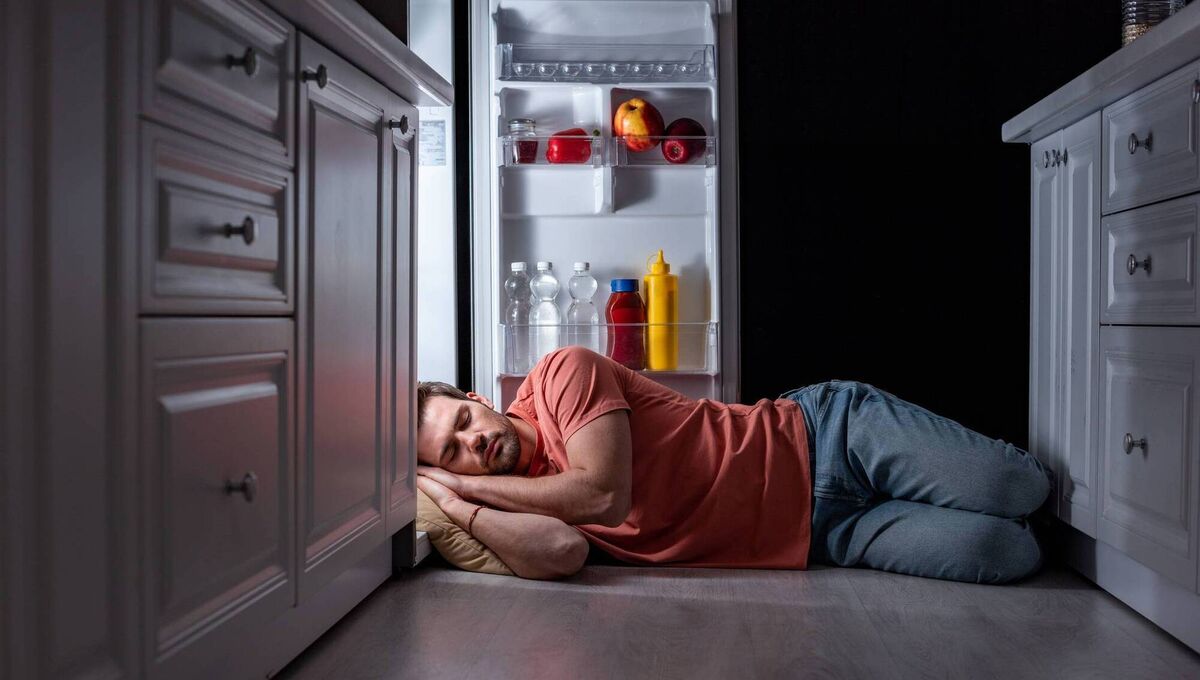
Why should we care about all this? Because sleep is not a luxury. It supports memory, mood, immune function, concentration and our general capacity to behave like civilised adults. Chronic sleep loss is associated with poorer physical and mental health. At a more immediate level, lack of sleep makes us irritable, less resilient and more likely to stand in front of an open fridge for ten minutes with no clear objective.
There are practical ways to make warm nights more manageable. Keep blinds or curtains closed during the hottest part of the day. I’m writing this article with my blinds closed. Ventilate rooms when outdoor temperatures fall. Use lighter bedding. Drink enough water. Avoid heavy meals and alcohol close to bedtime. And, if possible, do not doom-scroll in bed. The Antarctic ice sheet will still be there in the morning; your sleep may not be.
The bigger solutions lie beyond individual bedrooms. Cutting greenhouse-gas emissions remains essential, because it limits the warming that is driving more frequent and intense heat extremes. But adaptation matters too. This includes better shading, ventilation, trees, green spaces, cooler urban design and homes that can cope with summer heat as well as winter cold.
Climate change is often discussed through dramatic images such as melting glaciers, burning forests and flooded streets. Yet some of its effects are much more ordinary. They arrive in the garden, on the commute, in the kitchen and, increasingly, in the bedroom. So, if you find yourself lying awake on a warm night, sweaty, cranky and contemplating civilisation, take some comfort in this: you are not imagining it. Climate change may indeed be making sleep harder. Though if the dog is cuddling you off the bed, I am afraid that one remains outside the scope of climate science.
- References:
- Li, A., Luo, H., Zhu, Y., Zhang, Z., Liu, B., Kan, H., Jia, H., Wu, Z., Guo, Y. and Chen, R., 2025. Climate warming may undermine sleep duration and quality in repeated-measure study of 23 million records. Nature Communications, 16(1), p.2609. https://www.nature.com/articles/s41467-025-57781-y
- Minor, K., Bjerre-Nielsen, A., Jonasdottir, S.S., Lehmann, S. and Obradovich, N., 2022. Rising temperatures erode human sleep globally. One Earth, 5(5), pp.534-549.
https://www.cell.com/one-earth/fulltext/s2590-3322(22)00209-3
- O’Connor, F.K., Bach, A.J., Forbes, C., Rutherford, S., Binnewies, S., Sabapathy, S. and Morris, N.R., 2025. Effect of nighttime bedroom temperature on heart rate variability in older adults: an observational study. BMC medicine, 23(1), p.703. https://link.springer.com/article/10.1186/s12916-025-04513-0
CLIMATE & SUSTAINABILITY HUB
CONNECT WITH US TODAY



Be the first to know the latest news and updates