Pádraic Fogarty: Taking a very long time to ‘bring everyone with us’
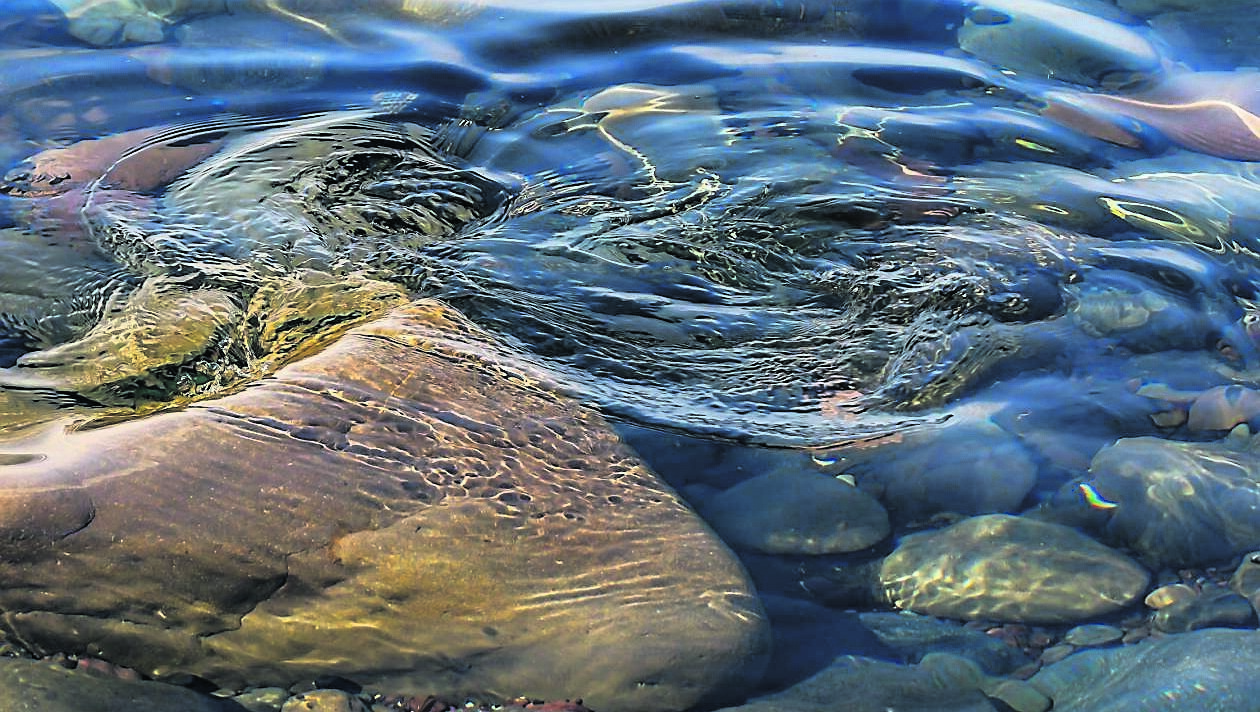
The EPA’s report on water quality in 2025 noted ‘there has been no real improvement in water quality’.
When it comes to the changes needed in our society to address the challenges of climate change, pollution and biodiversity loss it is objectively true that we need to bring people with us.
The idea is now so engrained that it has become a standard refrain among politicians when talking about meeting (or not meeting) environmental targets.
During a Dáil debate on climate in May of this year, the Taoiseach Micheál Martin, responded at the leader of the Labour Party, Ivana Bacik, for criticising the Government’s failure to meet emissions reduction targets, saying that the “fundamentalist, purist and perfect is always the enemy of the good” and their (the Government’s) approach would work better “because we need to bring people with us”.
Bacik was referring to the latest projections from the Environmental Protection Agency (EPA) that show that Ireland “could achieve” a 25% reduction in emissions by 2030, less than half of the legally binding target of 51%. No sector is on track. Emissions from how we use land is projected to increase by anything from four to 72%, largely because targets for creating new forests are not being met.
The Taoiseach was in Cork earlier this month for a conference organised by Fair Seas, an environmental coalition that has been campaigning for the passing of legislation for the creation of Marine Protected Areas (MPAs). Protecting 30% of our territorial waters by 2030 in MPAs has been government policy since 2019 yet we still have no legislation. Not only that but the European Commission announced in April that it was bringing Ireland to court for failing to identify areas for protection under existing laws – a procedure that began in 2015.
The Taoiseach disappointed his audience in not announcing any timelines for the passing of a law, but he did acknowledge the challenges, adding for good measure that they “must be tackled in a way that brings everyone with us”.
If we are on an epic journey, on which everyone is along for the ride, it has more a feel of Leopold Bloom’s boozy meanderings around Dublin than Frodo and Sam’s mission to vanquish evil in the fiery bleakness of Mordor. Whatever journey we are on seems to be taking a very long time and is anyone really sure if someone knows the way?
Take water quality. For the past five years meeting water quality standards has overtaken belching cows as the issue of chief preoccupation among farm organisations. Water quality has deteriorated in the last decade, largely due to farm run-off. This threatens Ireland’s Nitrates derogation, a rule that allows some farmers to spread more animal manure than is usually allowed. But the derogation is conditional on meeting water quality standards and the dairy industry predicts dire consequences should it be lost.
You would think that drastic measures would be underway to clean up our water, if for no other reason than to help put the dairy industry on a path to sustainability. However, this is not the case; a great cleanup of our rivers, lakes and estuaries is not underway. The EPA’s report on water quality in 2025, published last week, noted laconically, that “there has been no real improvement in water quality”.
Pollution, whether it’s from the human or animal population is a major pressure on the natural environment. It’s one of the reasons why fully 90 per cent of our most important habitats are in bad shape. Incredibly, this figure, which was reported to the European Commission (EC) in December last year, was worse than the previous report submitted in 2019, the very year Ireland declared a ‘climate and biodiversity emergency’.
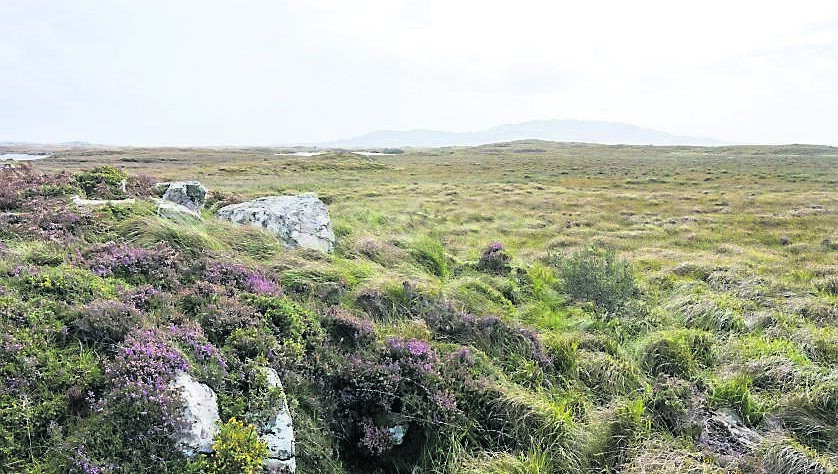
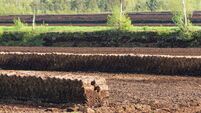
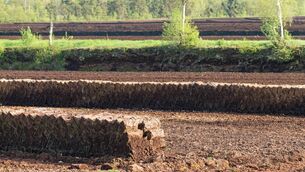
Among the habitats in desperate need of action are bogs and although there are now a number of examples of bog restoration around the country, they are limited in scale. In June, the EC launched more ‘infringement proceedings’ against Ireland for failing to properly assess the environmental impacts of peat mining, a process that started in 2019. And this adds to a separate case that is being brought for continuing to allow turf extraction in ‘special areas of conservation’, something that was supposed to have stopped in the late 1990s.
It is disorienting to watch the years go by and yet feel like the same headlines about failure to reach various environmental targets reappear on what seems like a three-to-five-year cycle. Is this what it means to bring people with us?
Much work is now going into Ireland’s National Nature Restoration Plan, a requirement under the EU’s Nature Restoration Regulation, a draft of which will appear later this year and will add to the impressive collection of reports and studies that have dealt with the collapse of nature.
How we are to meet another set of targets is anyone’s guess. Last year, the Government removed the allocation for nature from the €3 billion Climate and Nature Fund that had been expected to pay for restoration works and a replacement fund has yet to be announced, adding to anxiety and uncertainty for farmers, fishermen, foresters and landowners.
So far, our transition to a ‘a climate resilient, biodiversity rich and climate neutral economy’ (the words of the 2021 Climate Act) feels less like a journey and more like the TV series ‘Lost’. No one is really sure what’s happening or if anything is happening at all.
At the Fair Seas conference in Cork, the closing remarks were delivered by a former director of the EPA, Micheál O’Cinneide, who evoked Samuel Beckett’s absurdist play . “Let's go” says one of the two main characters, “we can't” says the other, “why not?” replies the first, “we're waiting for Godot”. We never find out who Godot is or why the characters are waiting for him. Had Godot appeared, he might have explained the hiatus to the baffled audience by the need “to bring people with us”.

CONNECT WITH US TODAY



Be the first to know the latest news and updates