What is the magic, the allure of islands, of those small, seabound places?
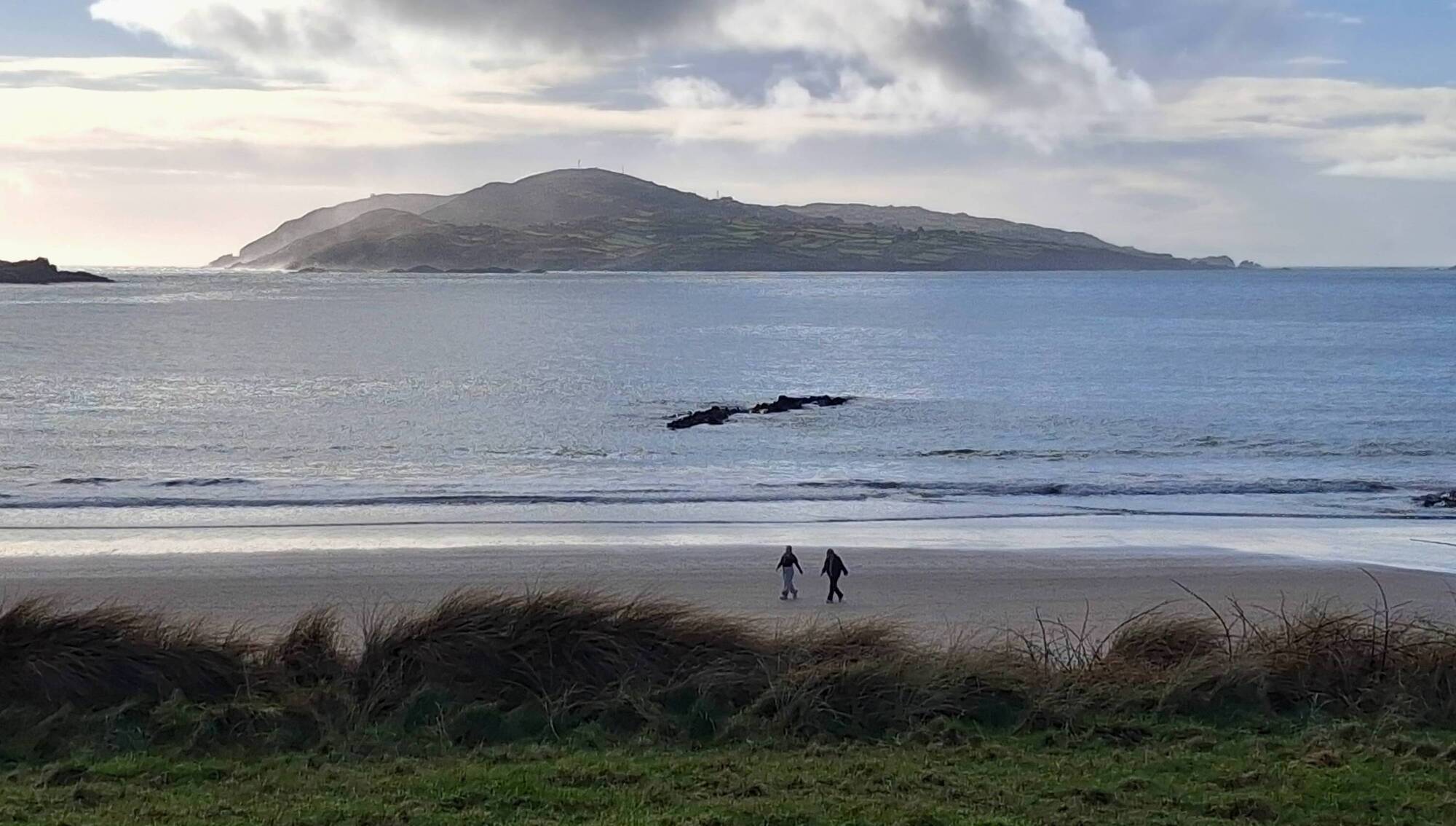
Cape Clear, off West Cork’s coast, has that something, that hard-to-define attraction that has inspired writers and artists, and drawn people from afar to settle there.
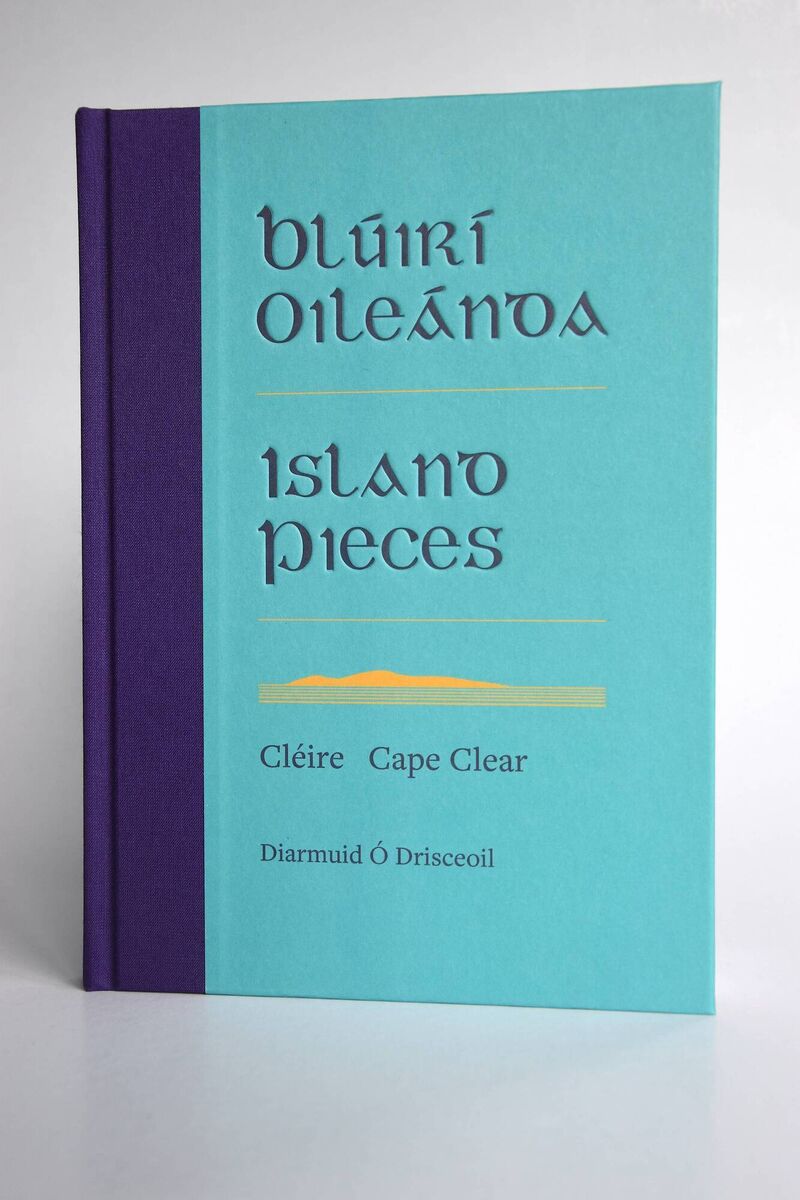
Blúirí Oileánda – Island Pieces, the latest book by Cork writer and historian Diarmuid Ó Drisceoil, describes that island appeal and gives us the essence and character of a place that he loves.
There are 29 articles in this bilingual book — so each is written in Irish and English — and they cover an eclectic range of topics to give an engaging portrait of Cape Clear and its social history.
Stone masonry, dressers, a prayer book, headstones, butter, furze, townland names, spades, and the traditional Cape Clear ‘gansey’ are all written about, and illustrated with more than 150 photographs. There is no sentimentality in this book, no rose-tinted look back at an earlier, perhaps better time. Rather, this is an honest and refreshing take on island life as it is today and as it was in the past.

Diarmuid Ó Drisceoil has been a constant visitor to the island since the 1960s. His father was born there and he remembers summers spent working with his uncles on their smallholding and hearing stories of times past from them and from his grandmother.
She was born in 1884 and lived to be 90. She knew people who had lived through the Great Famine. ‘Why didn’t I have the sense to ask her more about her life?’, Diarmuid wonders. That may be, but in this book, he nevertheless gives a unique insight in to aspects of Cape Clear’s story and it is well-informed and considered.
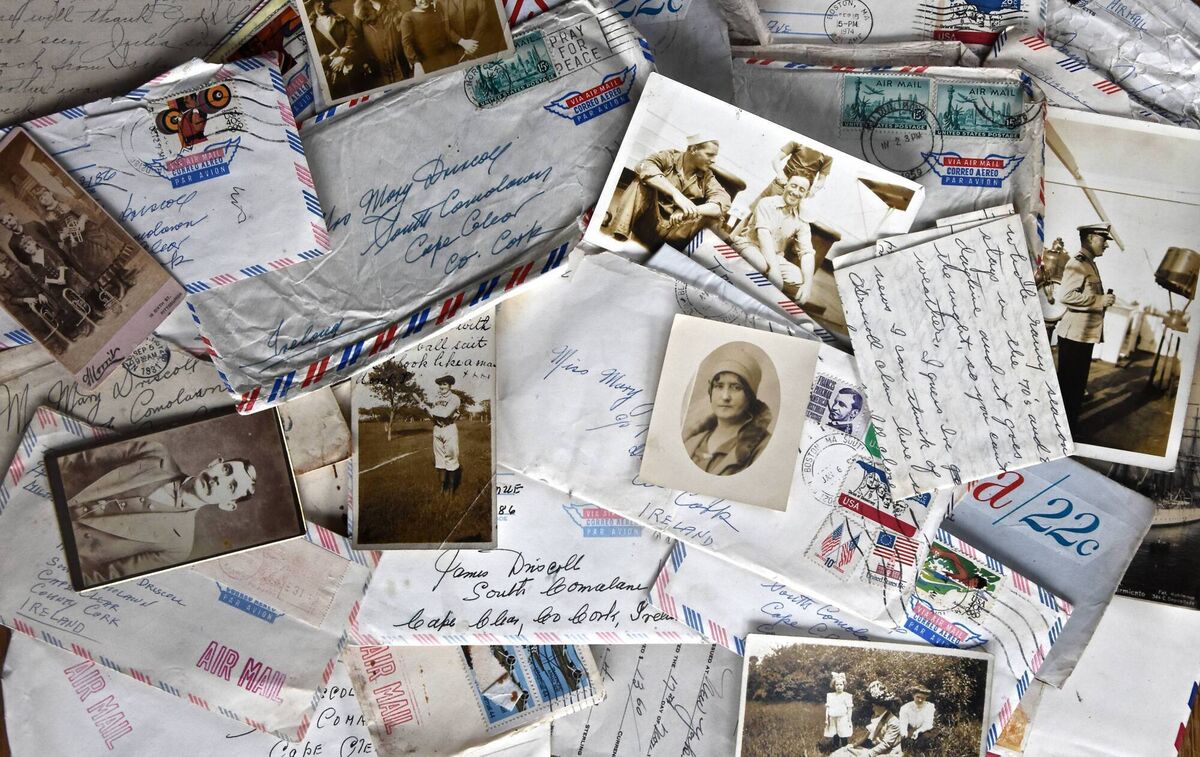
Emigration has long been a feature of this island, some choosing to leave to make a better, easier life elsewhere, while others were forced to depart in the absence of any opportunity at home to make a satisfactory life.
Diarmuid Ó Drisceoil writes: “Emigration is not, and probably never was, a simple narrative of departure, followed by success, coloured by a longing for home and an enduring love for the old country.”
He makes the valid point that many emigrated and were never heard from again, breaking all ties with their past and choosing to find a future in a new country unencumbered by nostalgia or sentiment.
This unsentimental view is seen also in his piece on religion, an essay built around the prayer book of an island woman, a prayer book that was “a repository of scores of prayer leaflets and memorial cards, an album of her faith and of her relatives, friends, and neighbours who had died before her”. And he makes the valid point that with all of the island’s population being Catholic in times past, and largely deferential to the clergy, it would have been very difficult for anyone not to conform, or to openly go against the prevailing orthodoxy.
Dry stone walls — or ditches as they are more widely known in West Cork — are a visible feature of the Cape Clear landscape, especially in winter, when bracken and brambles have died back.
Diarmuid Ó Drisceoil rightly highlights the skill and artistry of the ditch builders and regards those walls, constructed without mortar, as the most visible archaeological monuments on the island. He says: “Every stone, large or small, in every metre of the almost incalculable length of the ditches of the island, was chosen, given a position, adjusted, sometimes rejected, repositioned, and settled in its place. The ditches represent millions of hours and days of work by nameless people... whose only memorial is those ditches, often unnoticed, and nowadays not always maintained or repaired.”
Daily life on Cape Clear has changed hugely through the years that Diarmuid has been visiting. Electricity and running water have been installed, the car has largely replaced walking, a broadband service has been rolled out, and the setting up of the island’s gteic digital hub now enables remote working at a standard comparable to any mainland location.

The island has a Transport for Ireland-sponsored, all-electric bus service and the ferry to the mainland sails 364 days a year. The population has fallen to about 110, a tenth of the pre-Famine number recorded in 1841, but that figure has remained steady of late, a tentative, positive sign for the future.
Subsistence agriculture and fishing were, for centuries, the mainstay of the islanders.
That has changed fundamentally. The proud tradition of Cape Clear fishing is now represented by only one lobster boat, which operates during the summer.
Agriculture is largely concerned with rearing beef cattle and, with the decline of tillage, bracken is spreading and taking over most of the unused marginal land.
Blúirí Oileánda – Island Pieces tells this island’s story in a deceptively simple way, using thoughtful writing and striking photographs, all enclosed within a beautifully designed cover.
It was published in early June and is available now online at capeclearbook.ie and in many bookshops.

Cancel anytime
BOOKS & MORE
Check out our Books Hub where you will find the latest news, reviews, features, opinions and analysis on all things books from the Irish Examiner's team of specialist writers, columnists and contributors.
CONNECT WITH US TODAY
Be the first to know the latest news and updates