Damage done: Expanding deer population sparks calls for culls
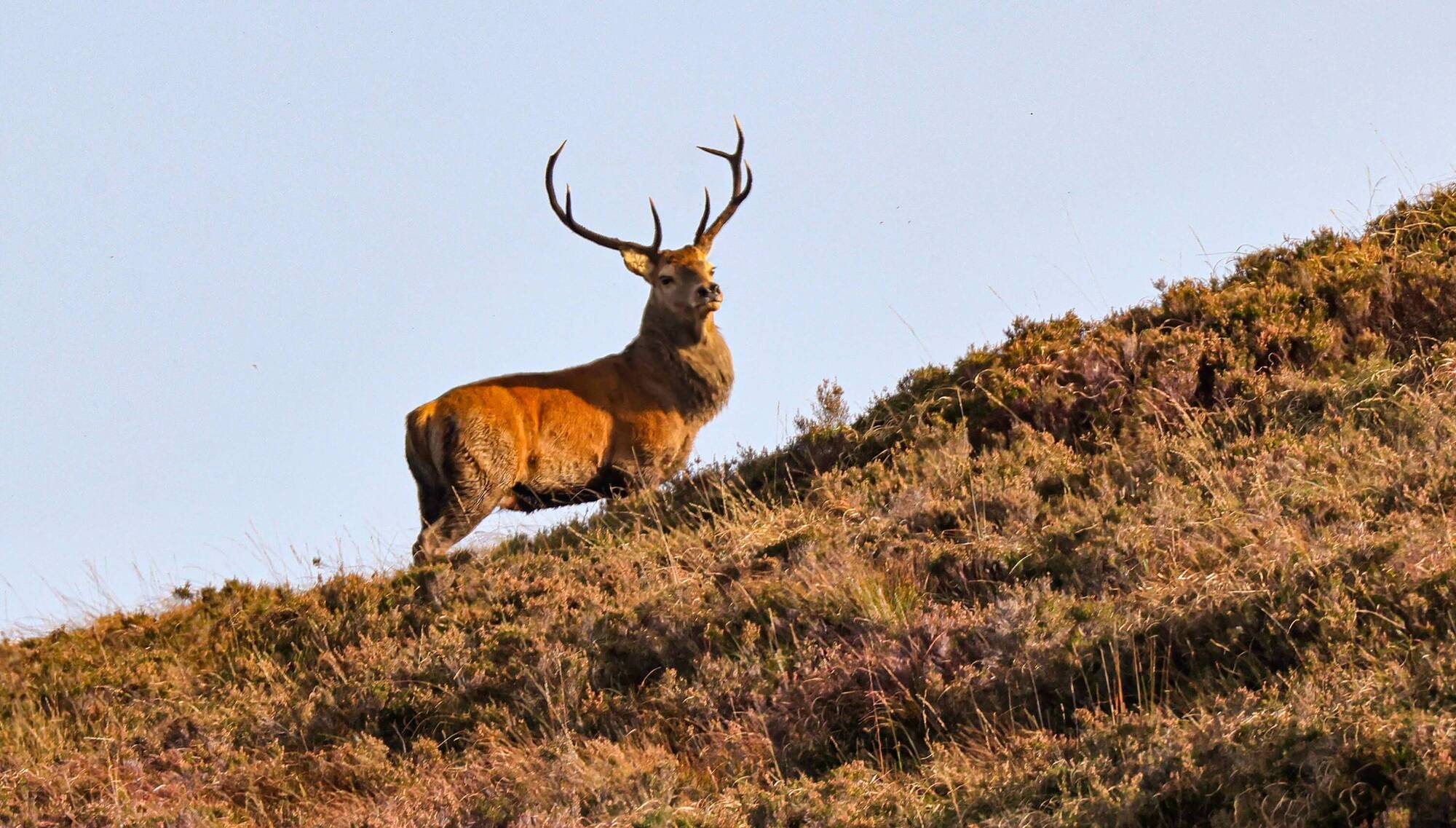
Deer population expansion, in recent decades, has led to a situation where numbers may now exceed 200,000, according to Teagasc. Picture: Valerie O'Sullivan
Young deer, born in May and June, now look pretty and photogenic and provide yet another indication of continuing growth in the deer population.
It’s totally understandable that road accidents involving deer should be a primary concern, but there’s also a serious environmental issue involved here.
Deer population expansion, in recent decades, has led to a situation where numbers may now exceed 200,000, according to Teagasc. Other estimates are much larger.
Conditions are just right for deer to thrive and breed in the countryside. And, with no natural predators, their numbers keep growing.
Nobody knows exactly how many deer we have. But everyone is aware they have spread all over the country, resulting in repeated calls for culls and a proper, national deer management policy.
CLIMATE & SUSTAINABILITY HUB
Read More
The result is overgrazing of the forest floor, the removal of food sources for other animals and of nesting sites for birds and small mammals.
Deer also damage young trees, preventing them from maturing and thereby stalling the renewal of woodlands.
A Teagasc report, a few years ago, noted that our understanding of deer population dynamics in terms of distribution and density are very incomplete.
Alluding to the negative impacts of rising deer numbers, the report said the causes of this included the expansion of suitable woodland habitat and changes in agricultural practices.
Areas of conservation value can be hard hit, especially when deer numbers exceed the carrying capacity of these habitats.
Also, farmers complain about deer coming onto their land, breaking through fences, damaging crops and eating their grass.
Killarney National Park has large herds of Red and Sika deer which roam widely, leading to constant calls for culls. Last year, almost 400 deer in the park were culled, a 37% increase on the previous year.
Data released by the National Parks and Wildlife Service to the Irish Deer Commission shows that 78,000 deer were culled nationally during the year ending in February 2023, up 41%.
Counties with the highest culls were: Wicklow, Cork, Waterford, Tipperary, Kerry, Galway and Clare.

In the absence of a national deer census, it’s impossible to accurately say whether the population has decreased following culls. Farmers and others, however, claim numbers are shooting upwards.
Culls alone will not solve the problem, but should be part of a comprehensive deer management plan.
The Government has set up a broad-based Deer Management Strategy Group, including various state agencies, farmers and landowners.
Fifteen 'hotspots' have been identified for action to reduce the deer population to sustainable levels — all areas where the impact of deer is felt most.
Coordinators have been appointed to link up with farmers, hunters and other stakeholders.