Donal Hickey: Warm Atlantic waters attract exotic creatures to our shores
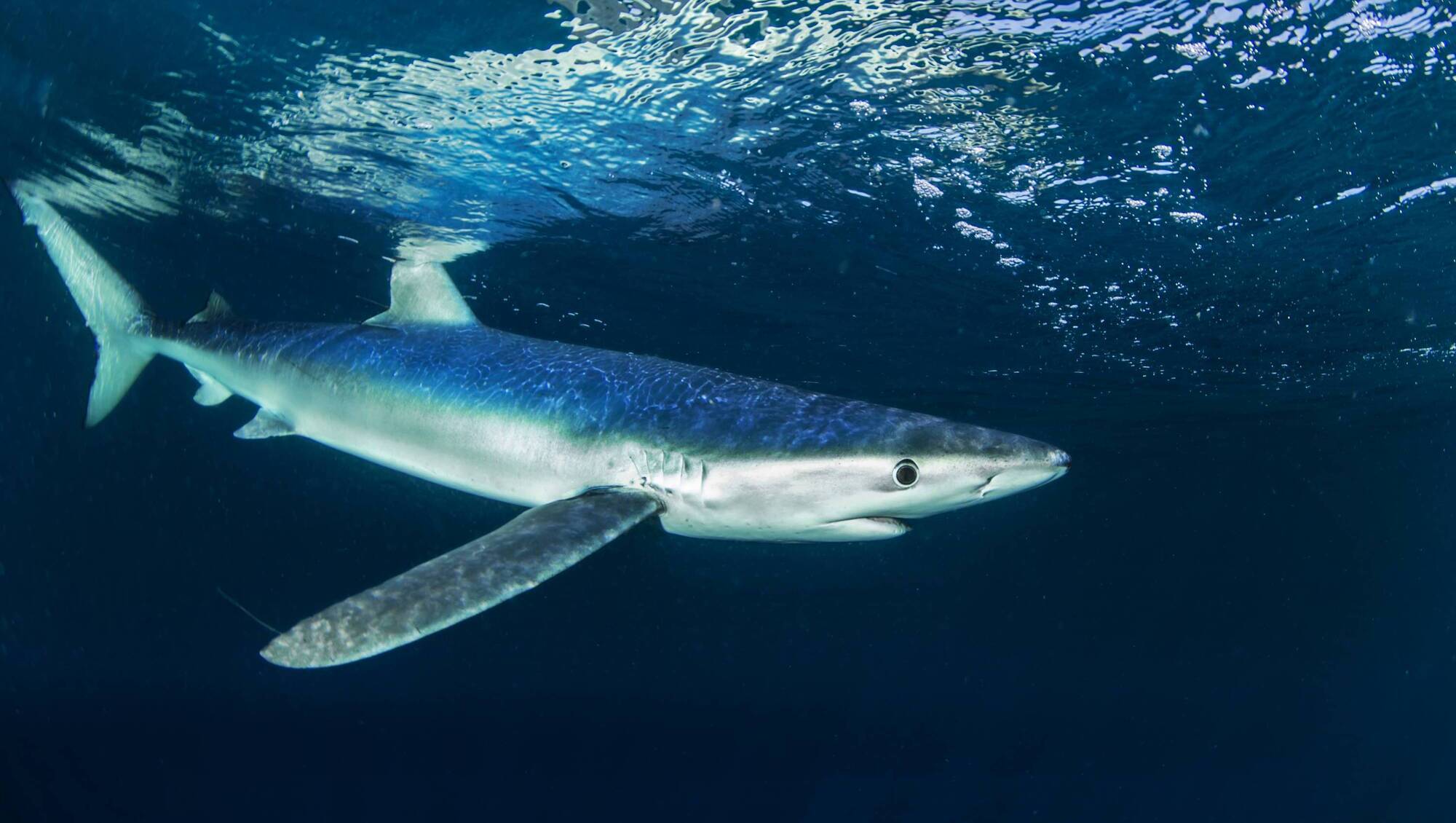
Our coasts, especially in the south and west, have been seeing more sharks
Recent shark attacks in Australia have put the spotlight on dangers to swimmers, surfers and fishers Down Under, but we can still safely observe a variety of marine life in this part of the world. Blue whale pictured about 15km south of Oysterhaven as they drift on the tide towards Cork Harbour. Picture: Derek Bolton

Recent shark attacks in Australia have put the spotlight on dangers to swimmers, surfers and fishers Down Under, but we can still safely observe a variety of marine life in this part of the world. Blue whale pictured about 15km south of Oysterhaven as they drift on the tide towards Cork Harbour. Picture: Derek Bolton

People visiting coastal areas during the August holiday period may be on the lookout for some fascinating creatures of the deep.

Our coastline and ocean environment is “teeming” with marine life, including 35 shark species and 24 species of whales and dolphins, says the Clean Coasts organisation.

It seems warming Atlantic waters are attracting more of these creatures northwards, and growing public interest in them is reflected in a huge increase in reports to the National Biodiversity Data Centre (NBDC).

There’s been an almost 500% rise in marine species records sent to the centre via its citizen science portal, Explore Your Shore. All of which is building our knowledge of such species, and what they tell us about climate change and water quality in our coastal ecosystems.

Recent shark attacks in Australia have put the spotlight on dangers to swimmers, surfers and fishers Down Under, but we can still safely observe a variety of marine life in this part of the world.

Indeed, our coasts, especially in the south and west, have been seeing more of them. Enthusiasts are out year-round in the hope of spotting such wildlife from headlands and beaches extending from West Cork (one of the best places) to Donegal. Children, of course, can also get involved.

Explore Your Shore offers a variety of surveys tailored to different interests and levels of expertise: Seashore Spotter, for example, is ideal for casual observers, as it encourages people to submit records of any marine species encountered along the coast, even if they cannot identify them.

The Big Beach Biodiversity Survey asks participants to record marine species washed ashore on beaches, while the more challenging Great Rocky Shore BioBlitz requires people to record as many species as possible in a specific location.

Separately, almost 900 wildlife enthusiasts took part in the annual All-Ireland Whale Watch Day, organised by the Irish Whale and Dolphin Group (IWDG), on May 23.

That was a 76% increase on the previous year, with site coverage rising from 14 to 18. Sightings were recorded at 11 sites, an improvement on last year.

“At the risk of being labelled as biased, it’s my view that the standout result at this year’s event was at Cloghna Head, Co Cork, which enjoyed hundreds — best estimate 250 — of very obliging common dolphins that showed well in Rosscarbery Bay,” says IWDG sightings officer Padraig Whooley.

Other sites: 

Slea Head, Co Kerry, and Loop Head and Black Head, Co Clare, produced sightings that included single minke whales.

x

More in this section

Revoiced

Newsletter

Had a busy week? Sign up for some of the best reads from the week gone by. Selected just for you.

Cookie Policy Privacy Policy Brand Safety FAQ Help Contact Us Terms and Conditions

© Examiner Echo Group Limited