El Niño: World on watch as tropical Pacific warming
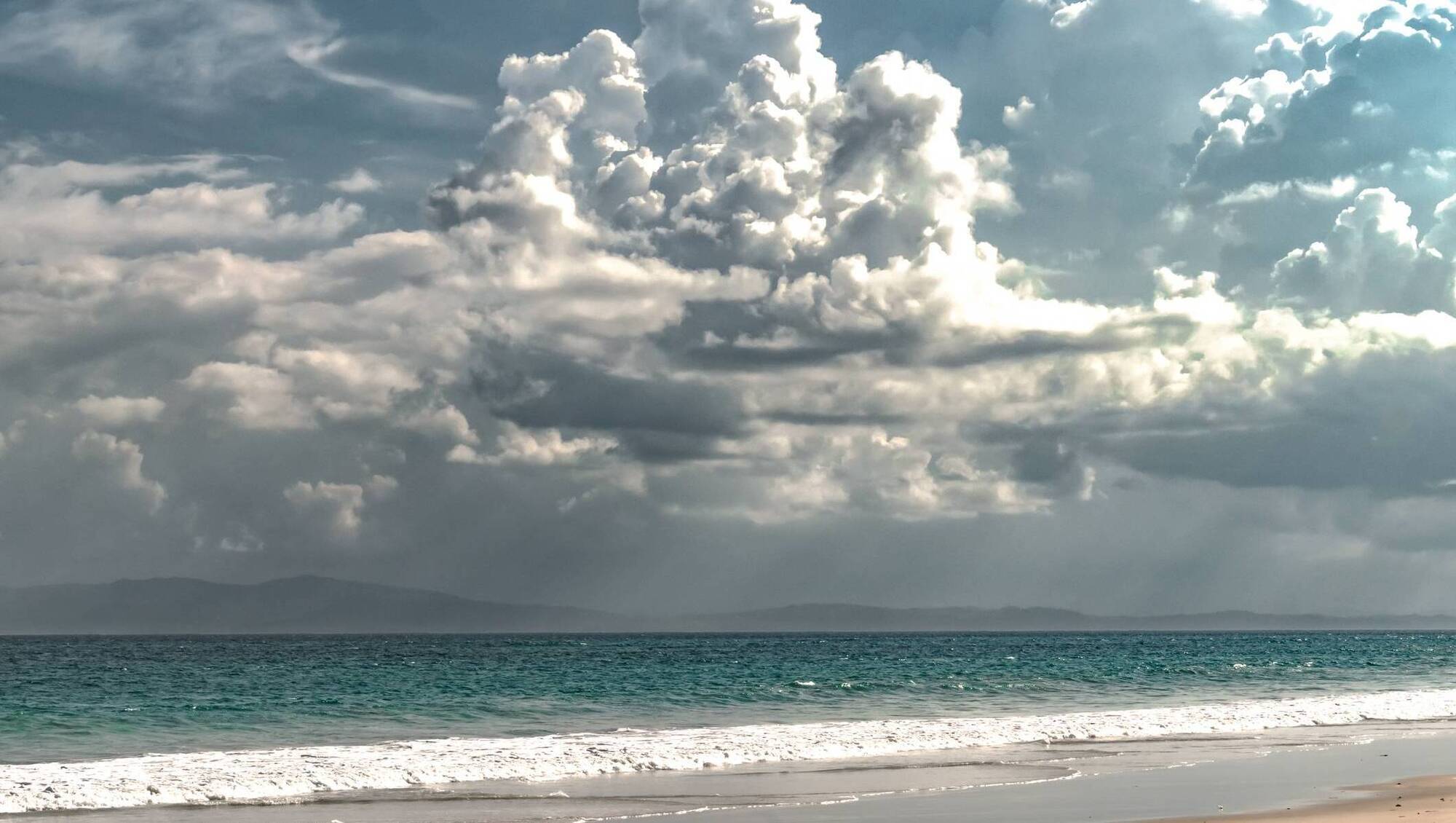
El Niño now looks likely, with WHO indicating an 80% likelihood of an El Niño event during June-August 2026. There is a growing chance it could become a strong event that has the potential to reshape weather risks around the world. Picture: iStock
A few months ago, I wrote that scientists were watching the tropical Pacific closely because the ingredients for El Niño were beginning to line up. At the time, it was a possibility rather than a certainty. Since then, the signal has strengthened. The latest forecasts suggest we are now very likely heading into El Niño this year. There is also a growing chance it could become a strong event, but that part is still uncertain. El Niño forecasts are not yes-or-no predictions. They are probabilities based on observations, climate models and expert assessment. At present, the evidence points strongly towards El Niño developing, but the exact strength will depend on how the ocean and atmosphere interact over the coming months.
Every few years, the world starts watching a stretch of ocean thousands of kilometres away from Ireland. Not the Atlantic, which usually shapes our day-to-day weather, but the tropical Pacific. That is because the Pacific is home to one of the most powerful natural climate patterns on Earth. El Niño is the warm phase of a larger climate cycle called the El Niño–Southern Oscillation or ENSO. This is a natural swing between the ocean and atmosphere across the tropical Pacific. It has three broad states: El Niño, La Niña and neutral. During La Niña, the central and eastern tropical Pacific are cooler than usual. During El Niño, they are warmer than usual. Neutral sits between the two but closer to La Niña conditions.
In normal conditions, trade winds blow from east to west along the equator. They push warm surface water towards Indonesia and Australia, while colder, nutrient-rich water rises near the coast of South America. During El Niño, those trade winds weaken. Warm water that is normally piled up in the western Pacific spreads eastwards, and the central and eastern Pacific warm. That may sound like a distant oceanographic detail, but the Pacific is huge. When heat shifts across an ocean basin that large, the atmosphere responds. Rainfall patterns shift, tropical thunderstorms reorganise, and pressure systems change. Those changes can send ripples through the global climate system, influencing drought, flooding, heatwaves, which affect fisheries, agriculture and seasonal weather patterns far beyond the Pacific.
A key area is the Niño 3.4 region in the central equatorial Pacific. If sea-surface temperatures there stay around 0.5°C or more above average, and the atmosphere begins behaving like El Niño too, then forecasters become more confident that an event is underway. Scientists do not declare an El Niño simply because one patch of sea is warm. They look for a coupled ocean–atmosphere event. They also monitor trade winds, air pressure, rainfall, cloud patterns and heat below the ocean surface.
Several major climate agencies produce ENSO forecasts. The US National Oceanic and Atmospheric Administration (NOAA), through its Climate Prediction Center, issues regular ENSO outlooks. The International Research Institute for Climate and Society at Columbia University produces forecast plumes that combine many model projections. The World Meteorological Organization (WMO) brings together information from global forecasting centres and issues international El Niño/La Niña updates. Agencies such as Australia’s Bureau of Meteorology (BOM) also provide closely watched regional assessments. These forecasts are probabilistic because ENSO is dynamic. Scientists use climate models, compare them with observations and assess how often similar conditions in the past led to El Niño, La Niña or neutral outcomes. When we hear that there is a high chance of El Niño, it is a model-informed estimate based on the current state of the ocean–atmosphere system and how that system is likely to evolve.
So, why is there now discussion of a strong El Niño? There are a few reasons. The tropical Pacific has been warming. Forecast models increasingly suggest El Niño conditions could persist into the northern hemisphere winter, which is when El Niño events often peak. There is also close attention on the amount of heat stored below the ocean surface, which can later feed surface warming. If weakening trade winds allow more warm water to move eastwards, the system can reinforce itself. However, strong El Niño forecasts should be treated with caution. Forecasting the development of El Niño is easier than forecasting its peak strength. Small changes in winds, subsurface heat and atmospheric coupling over the next few months can shift the outcome. A moderate El Niño may be more likely than an extreme one, and some forecast uncertainty is unavoidable.
We have seen strong El Niños before. Major benchmark events include 1982-83, 1997-98, 2015-16 and 2023-24. These events were associated with notable global impacts, including drought in some regions, flooding in others, widespread coral bleaching, disruption to fisheries and agriculture, and spikes in global temperature. But no two El Niños are identical. Their impacts depend on timing, strength, location of Pacific warming and the wider state of the climate system. The 2023–24 El Niño is a useful reminder of that complexity. It helped push global temperatures to record levels, but it occurred against a background of long-term human-driven warming and unusually warm oceans. But it’s worth remembering that El Niño is natural. Climate change does not cause El Niño in a simple sense. But climate change raises the baseline. When a natural El Niño adds heat to a planet that is already warmer, the impacts can be more severe.
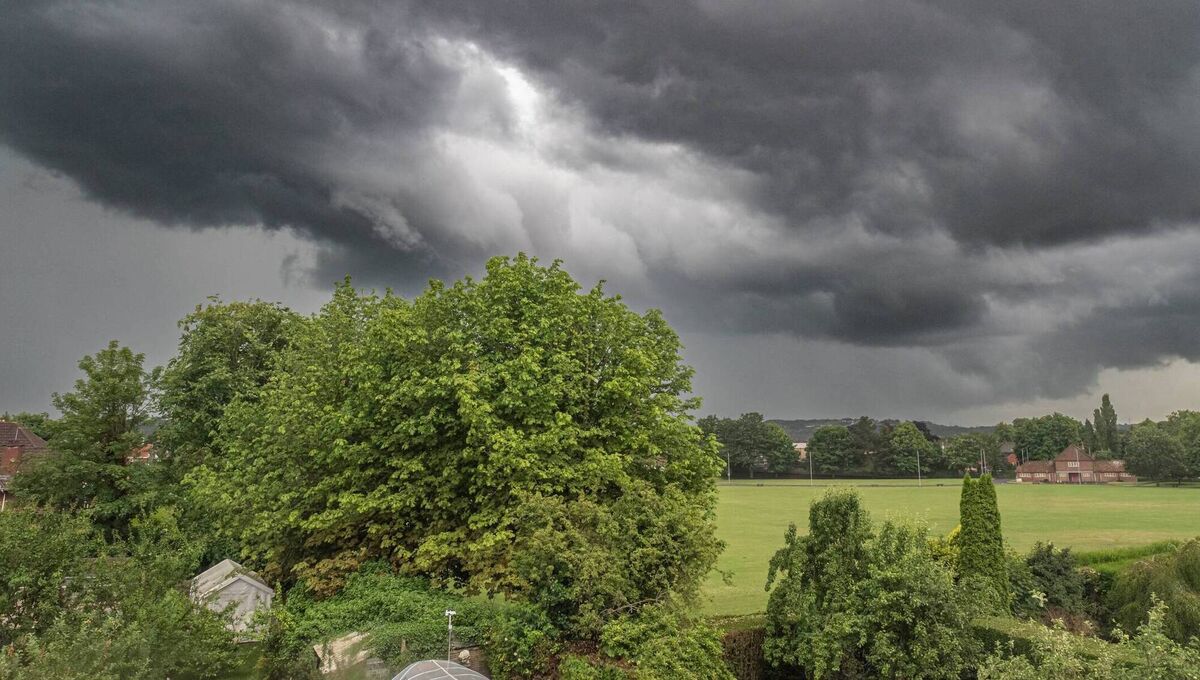
Globally, El Niño can redistribute climate risk. Parts of the world may face greater drought risk, including Australia, Indonesia, southern Africa, Central America and parts of South Asia. Other regions may see heavier rainfall and flooding, including parts of South America, East Africa and the southern United States. Warm seas can stress coral reefs, affect fish stocks and increase the likelihood of marine heatwaves. Agriculture can also be affected, with possible consequences for food supply and prices. For Ireland, the story is more indirect. El Niño does not give us a simple Irish weather forecast. Our weather is still mainly shaped by the Atlantic, the jet stream and the North Atlantic Oscillation. El Niño can influence wider atmospheric circulation, which may nudge the odds towards more unusual seasonal patterns, but it is only one factor among many. That means it would be unwise to say that El Niño will definitely bring Ireland a cold, dry, wet or stormy winter. The more accurate message is that El Niño is a background climate signal worth watching. Its influence on Ireland depends on how it interacts with the North Atlantic.
The key message is that an El Niño now looks likely, WHO indicate an 80% likelihood of an El Niño event during June-August 2026. Models are suggesting that it will be moderate, and possibly strong. It is a natural warming of the tropical Pacific that can reshape weather risks around the world. This year, scientists are watching closely because the probabilities have shifted. But the final strength, and the precise impacts, will only become clearer as the Pacific ocean and atmosphere continue to evolve.


CLIMATE & SUSTAINABILITY HUB
CONNECT WITH US TODAY



Be the first to know the latest news and updates