Hot topic: The ecological winners of the mini May heatwave
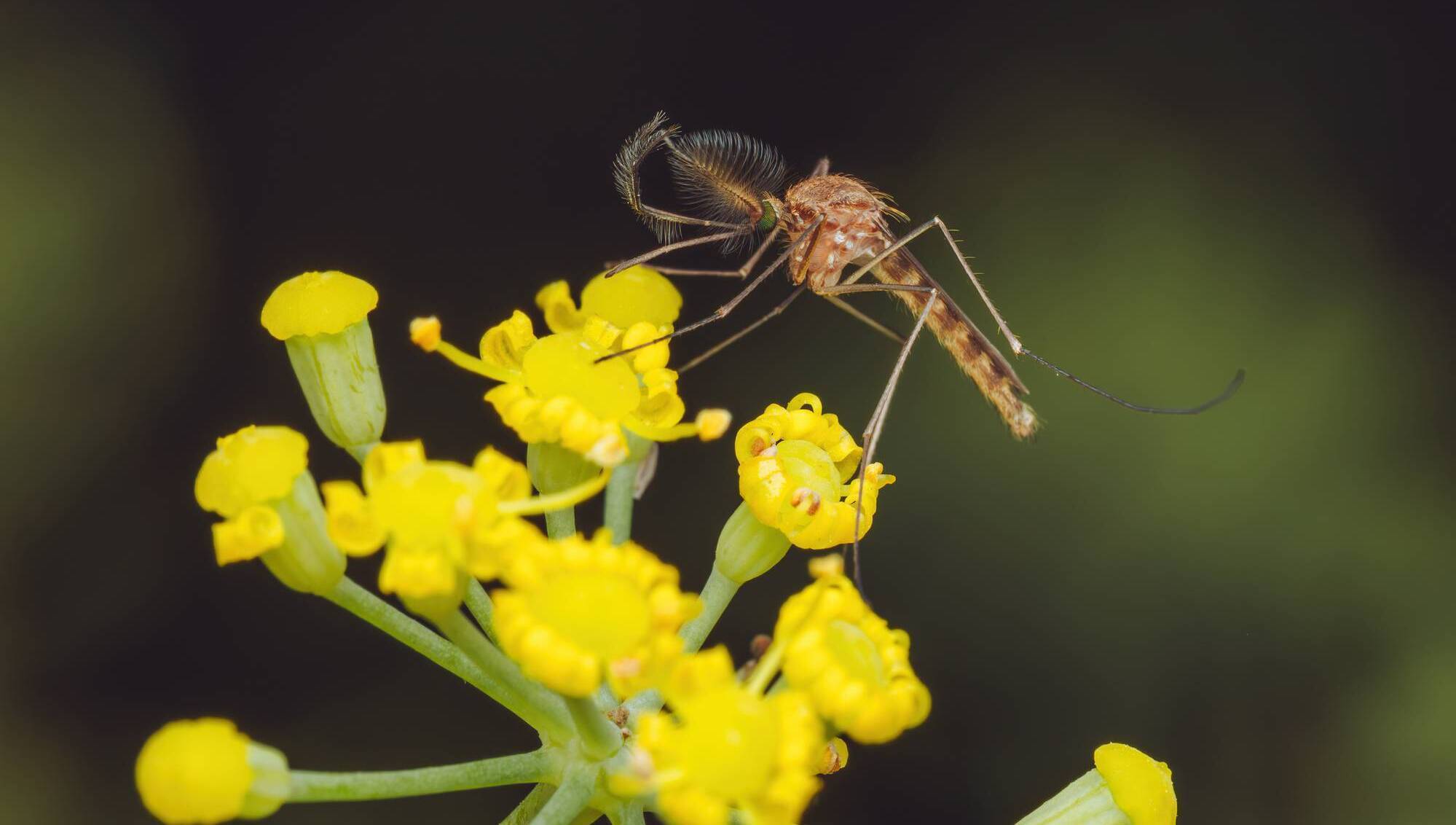
Mosquitoes are ectothermic, so temperature matters. Warmer conditions can accelerate development from egg to larva to adult where suitable breeding habitats exist. Picture: iStock
Three days above 25°C in Ireland and the country briefly forgot who it was. And it was fantastic. Barbecues appeared with unreasonable optimism. Pale legs emerged blinking into daylight. WhatsApp groups filled with messages like, “We should go to the beach,” as though half the population had collectively relocated to southern Europe. And then, just as quickly, it began to turn. Because Irish warm weather comes with an unspoken understanding: enjoy it while it lasts. But while we’ve spent the past few days chasing ice creams and searching for sun cream that expired in 2022, something else was happening. Ireland’s ecosystems were responding. Even a short burst of unusual warmth in late May can change behaviour, accelerate life cycles and create ecological winners. Not every species dislikes heat. Some quietly thrive.
For bees, hoverflies and butterflies, warm spring weather can mean opportunity. Insects are ectothermic, meaning their body temperature and activity are strongly influenced by surrounding conditions. When temperatures rise, many pollinators can fly more readily, forage more actively and visit more flowers. In late May, when hedgerows, gardens and meadows are already busy with flowering plants, a warm spell can turn the landscape into an airborne motorway. That matters because pollinators are not decorative extras. They are part of the living infrastructure of the countryside. The Irish Pollinator Monitoring Scheme tracks wild bees, hoverflies, butterflies and their floral resources, while the All-Ireland Pollinator Plan notes that one-third of Ireland’s wild bee species are threatened with extinction. Habitat loss and reduced food availability remain major pressures. Warm, sunny weather may help pollinators in the short term, but ecology rarely gives simple answers. If heat is prolonged, plants can become stressed. Dry soils may reduce nectar production. Flowering periods can shorten. So, while bees may be busier, the floral café may not remain fully stocked. The weather that gets insects moving can also affect the food they are moving towards.
Ticks may also have enjoyed the recent conditions. These tiny arachnids are active in Ireland from spring to autumn and are found in both urban and rural areas. The HSE advises that ticks are most likely in grassy, wooded and humid habitats, including woodland edges, parkland, fields, bushes, walking paths bordered by long grass and vegetation near lakes or beaches. Ticks use a behaviour called questing, extending their front legs while waiting for a passing host. It sounds heroic. In reality, it is ambush with commitment. Warmth can increase tick activity, but ticks also need humidity because they are vulnerable to drying out. That makes late May particularly relevant is that it’s warm enough for activity, but often still humid enough to keep them from desiccating. The concern is not the tick itself, but the diseases some can carry, including Lyme disease. The HSE states that about 5% of ticks in Ireland are thought to carry Lyme disease bacteria, and that infection can often be prevented if an infected tick is removed within 36 hours. This is not a reason to avoid nature. Quite the opposite. Being outdoors is overwhelmingly good for us. But checking yourself, children and dogs after walks through long grass or woodland is sensible. Nature is good for us, but occasionally nature comes with mouthparts.
Then there are mosquitoes. Ireland having mosquitoes still surprises people, perhaps because we associate them with tropical destinations, sleepless nights and regrettable holiday bites. Yet mosquitoes are part of Irish fauna. Public health information notes that Ireland has native mosquito species, and researchers have recorded multiple genera and at least 18 species here. Mosquitoes are also ectothermic, so temperature matters. Warmer conditions can accelerate development from egg to larva to adult where suitable breeding habitats exist. A few hot days will not suddenly produce biblical swarms, but warm spells can speed up biological processes already under way. The important habitat is often embarrassingly ordinary: buckets, blocked gutters, plant saucers, old paddling pools, water butts and forgotten containers quietly becoming mosquito crèches. No, Ireland is not becoming the tropics. But insects do not need palm trees to respond to warmth.
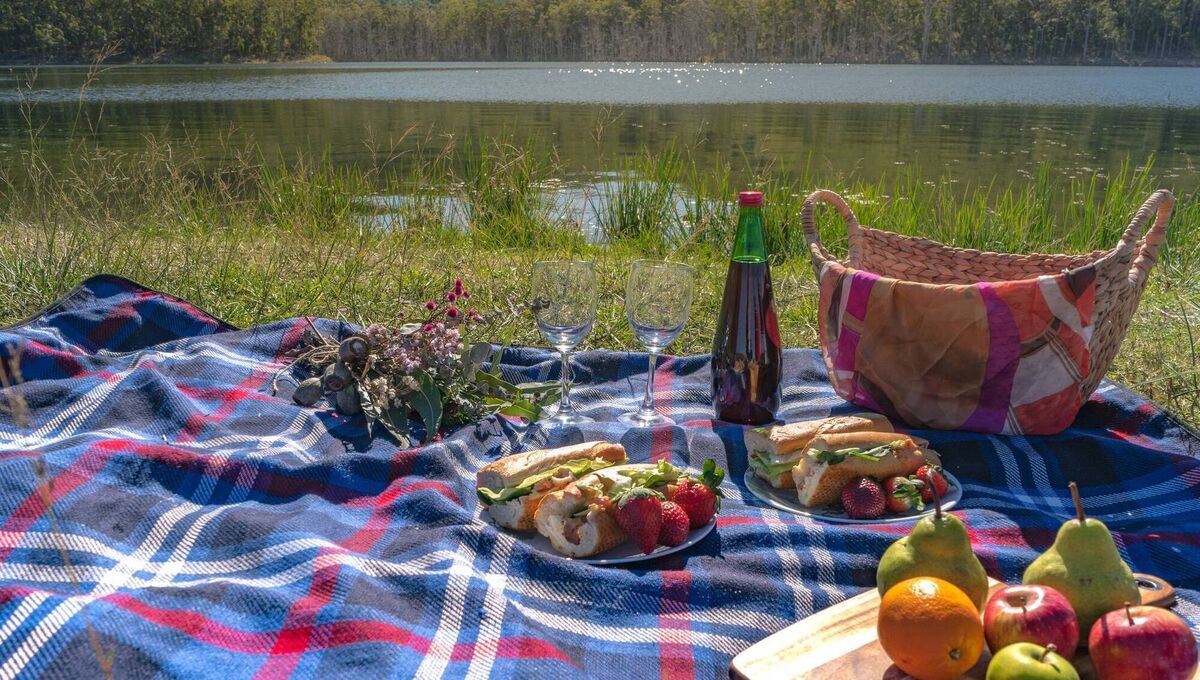
Freshwater systems also notice a warm spell, and this is where the science becomes especially important. Humans experience hot weather from above. Rivers and lakes experience it differently. Water temperature affects oxygen, chemistry and biology. Warmer water holds less dissolved oxygen, which can stress fish, aquatic insects and other organisms, particularly in shallow, slow-moving or nutrient-rich waters. Several days above 25°C will not heat all Irish waters equally. Deep lakes respond differently from shallow ponds. Shaded streams respond differently from exposed canals. Fast-flowing rivers behave differently from slow, low-flow systems. But warm air temperatures can still raise surface water temperatures, especially where flows are low and sunlight is strong. This is where nutrients matter. Nitrogen and phosphorus entering waters from agriculture, wastewater or urban runoff can fuel algal and microbial growth. Warmth and sunlight can make these biological processes more active. Research on harmful algal blooms shows that warm water, nutrient availability and altered rainfall patterns can increase bloom risk, while Irish assessments have repeatedly identified nutrient pollution as a major pressure on freshwater systems. In other words, the lake that looks idyllic beside a picnic blanket may be undergoing a very different conversation beneath the surface.
The key point is timing. A hot spell in late May is not the same as a hot spell in August. Late May is a season of emergence, reproduction and growth. Plants are flowering. Insects are developing. Birds are nesting. Amphibians are active. Freshwater systems are warming. Add a sudden burst of heat, and it does not simply make Ireland feel like Spain for three days. It nudges biological clocks. Three warm days do not rewrite that calendar. But repeated warm spells, arriving earlier or lasting longer, can begin to shift expectations. Weather is what we feel this week. Climate is the pattern that decides whether this week becomes more common. That is why these mini heatwaves are interesting. Not because it proves anything on its own, but because it reveals how quickly life responds. Humans changed behaviour almost immediately: beaches, barbecues, bare arms, emergency 99s. Wildlife responded too. Pollinators flew. Ticks quested. Mosquito larvae may have developed faster. Freshwater warmed. Algae and bacteria paid attention.
For us, three days above 25°C may be remembered as a brief national holiday from normal May weather. For something tiny in the long grass, in a hedgerow, in a gutter, or beneath the surface of a lake, it may have been the best week of the year. Because when Ireland gets unusually warm, even briefly, nature pays attention. And perhaps we should too.
CLIMATE & SUSTAINABILITY HUB
CONNECT WITH US TODAY



Be the first to know the latest news and updates