Donal Hickey: Skelligs an outstanding area for viewing seabirds
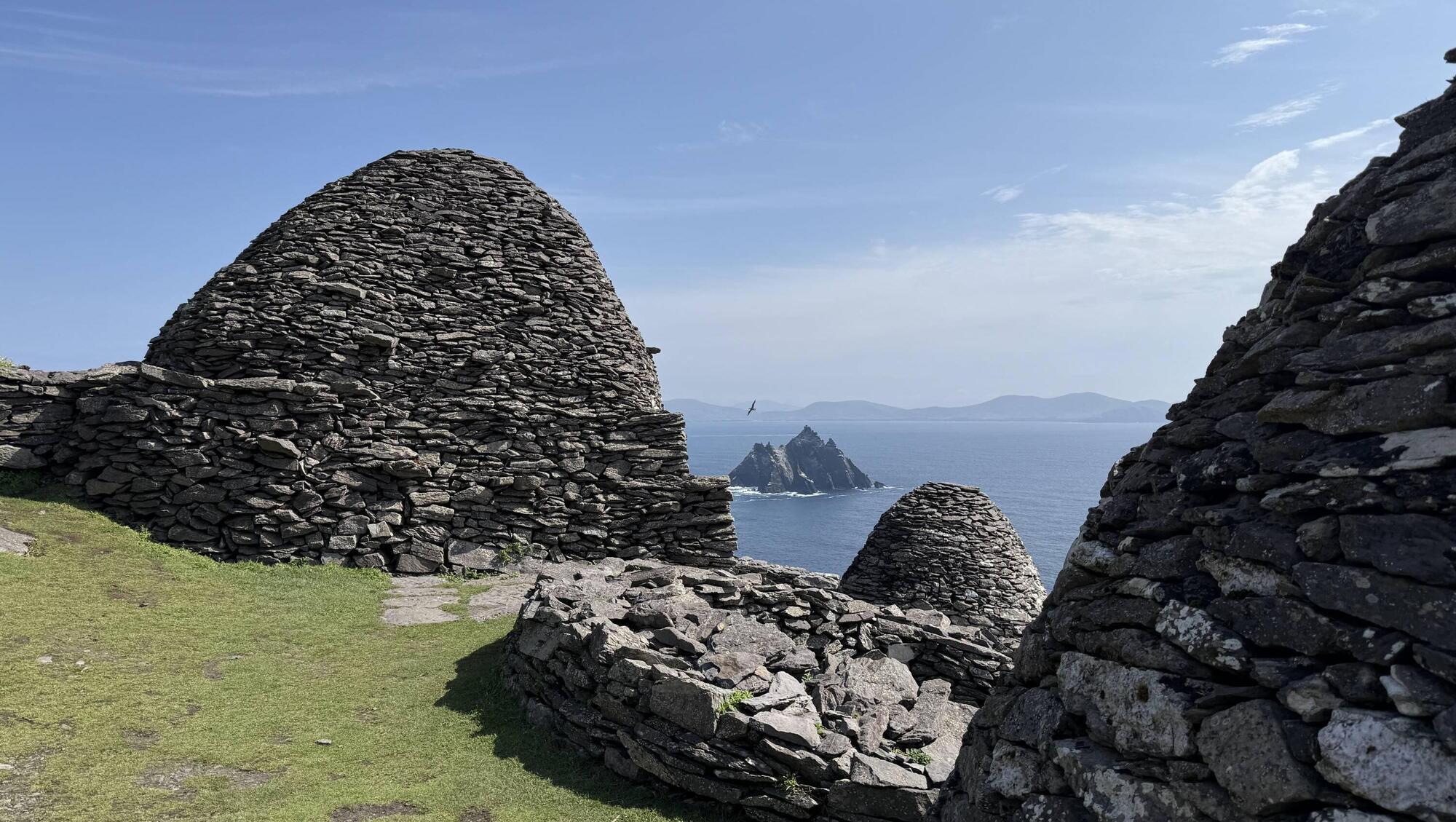
The Skelligs Unesco world heritage site has long been famous for its sixth century monastic remains and as a haven for tens of thousands of seabirds. Picture: Gemma Tipton
More than a decade has passed since the Star Wars filming on the Skellig islands, off the south Kerry coast, but the cinematic focus continues with the holding of a sci-fi film festival in the area during the May bank holiday.
However, the Skelligs Unesco world heritage site has long been even more famous for its sixth century monastic remains and as a haven for tens of thousands of seabirds. Each summer, the area hosts some mammoth seabird breeding colonies, some of which are of international importance.
Of the 24 seabird breeding species in Ireland, 20 spend the summer in the region stretching from Loop Head, Co Clare, to Kenmare, Co Kerry, with Skelligs in between. Not too far away in Co Cork are some of the best areas for viewing such birds, including Bantry Bay, Cape Clear Island, Galley Head, Clonakilty Estuary and Old Head, to name but a handful.
However, the Skelligs area is the most outstanding, boasting Ireland’s largest gannet and puffin colonies, for instance.
Skellig Michael, lying 12km off Portmagee and Valentia, is visited by around 15,000 people annually. I’ve been there twice — truly the experience of a lifetime — with an ascent of more than 600 steps to the summit and another world.
The visiting season runs from mid-May to the end of September, but boat trips can be called off at short notice due to weather, or sea, conditions.
For centuries, people have been overawed by this natural spectacle, including prolific Belfast travel writer, Richard Hayward, 80 years ago, with his lyrical account of thousands of gannets soaring above the ledges on Little Skellig.
“This is one of the rare breeding colonies of these magnificent birds and it was easy to see they took every advantage of the remoteness of the situation, for hardly an inch of the rocky ledges was without its tenant,’’ he wrote.
He described kittiwakes as beautiful, little snowy birds sitting row after row on the rocky ledges, like a packed gallery in an old-fashioned music hall.
Three lighthouse housekeepers welcomed Hayward and the crew to Skellig Michael and were glad to receive boxes and parcels sent by their friends on the mainland. In his 1946 book, In The Kingdom Of Kerry, he reflected: “It must have been a great joy to them, this visit of creatures from the outer world, and all at once I realised the dreadful loneliness of the lives of these grand men.’’
Working duties were six weeks on and two weeks off, but they who could be stuck on the Skelligs for two, or three, months in severe weather. The lighthouse has long since been automated.

CONNECT WITH US TODAY



Be the first to know the latest news and updates