Solar power: Sunny April weather sees butterflies take flight
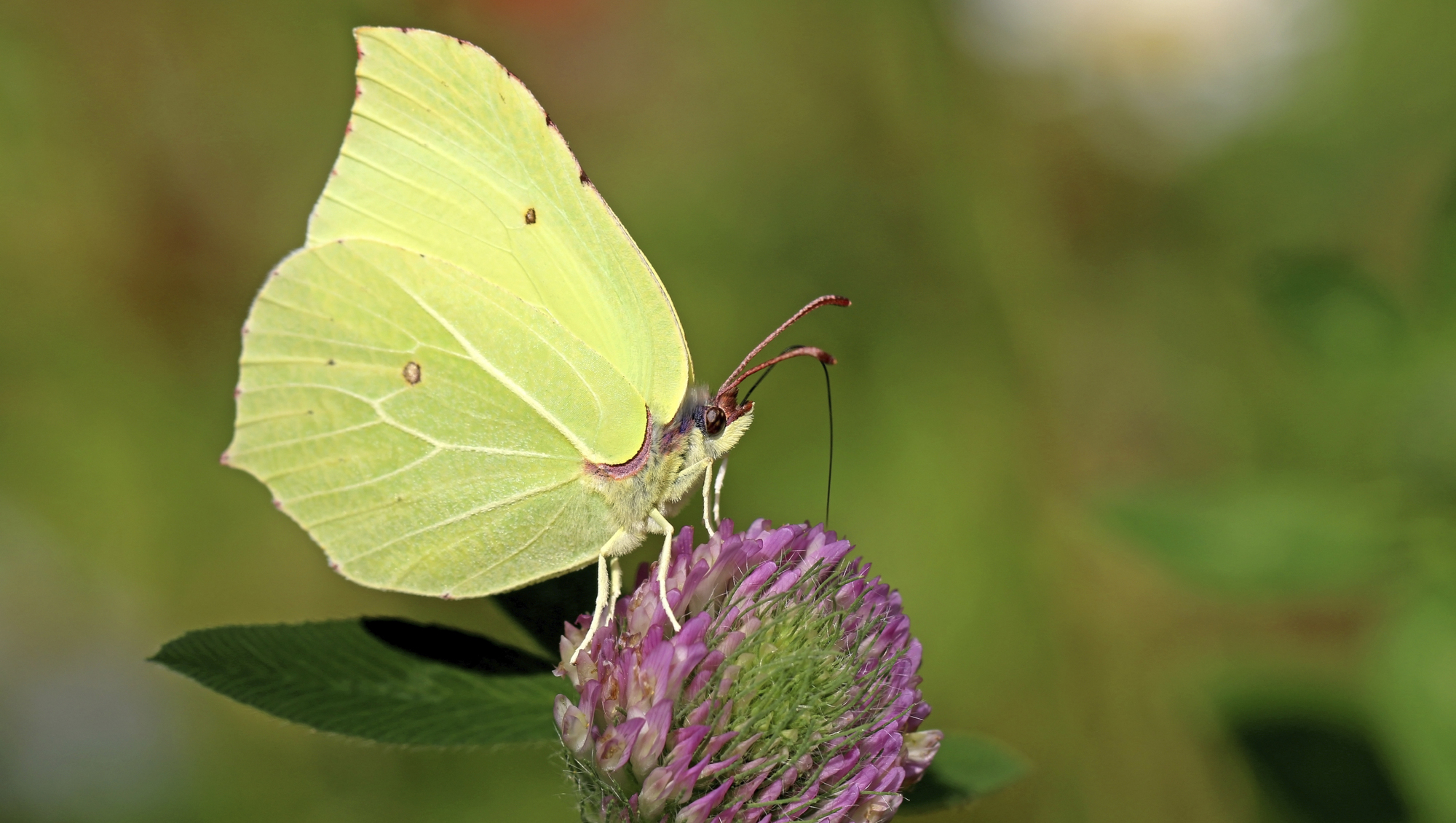
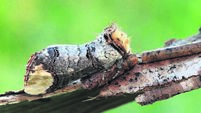
The shape and pattern of the brimstone butterfly’s wings look uncannily like a leaf, and their sulphur yellow colouring is excellent camouflage among freshly emerging, spring green leaves where they like to linger. Brimstone as a name is thought to come from the association of sulphur with the fires of hell.
Watching butterflies is one of life’s little joys. Colourful wing patterns and intriguing life cycles are a recurring source of wonder. This past week of warm, sunny weather has brought lots of different butterflies out, for butterflies need the heat of the sun to warm up their bodies and be able to fly. This is why we often see butterflies lingering in the sunshine — charging up on solar power.
A few days ago, I caught a glimpse of a big yellow butterfly, flying with unhurried ease over the sunny limestone-clad landscape of the Burren in County Clare. It’s the first time I’ve seen a brimstone butterfly, a bright yellowish green beauty that is not widespread in Ireland, though plentiful in the west and in the Burren in particular. Knowing it as the only yellow butterfly here, I was instantly enamoured.
The shape and pattern of their wings look uncannily like a leaf, and the sulphur yellow colouring is excellent camouflage among freshly emerging, spring green leaves where they like to linger. Brimstone as a name is thought to come from the association of sulphur with the fires of hell, an awful association for a stunning butterfly that signifies the first spell of properly warm spring weather!
Brimstones hibernate through the winter, only emerging with a good spell of warm, sunny days in March and April. Weary of getting wet, they are able to sense when rain is due and take shelter. When the sun is out, they warm their wings and feed on nectar from primroses, dandelions, purple loosestrife and, later in the summer, knapweed.
And just yesterday I caught sight of a little blue butterfly flitting over a suburban garden hedge — a holly blue. Their shimmering blue wings are eye-catching, though it’s a relatively small little butterfly. April is their hey-day, females seeking out flowers on holly trees and bushes to lay their eggs on. Later in the year, second-generation holly blues lay their eggs on flowering ivy — one of many reasons to leave native ivy growing and resist cutting it back until the close of winter.
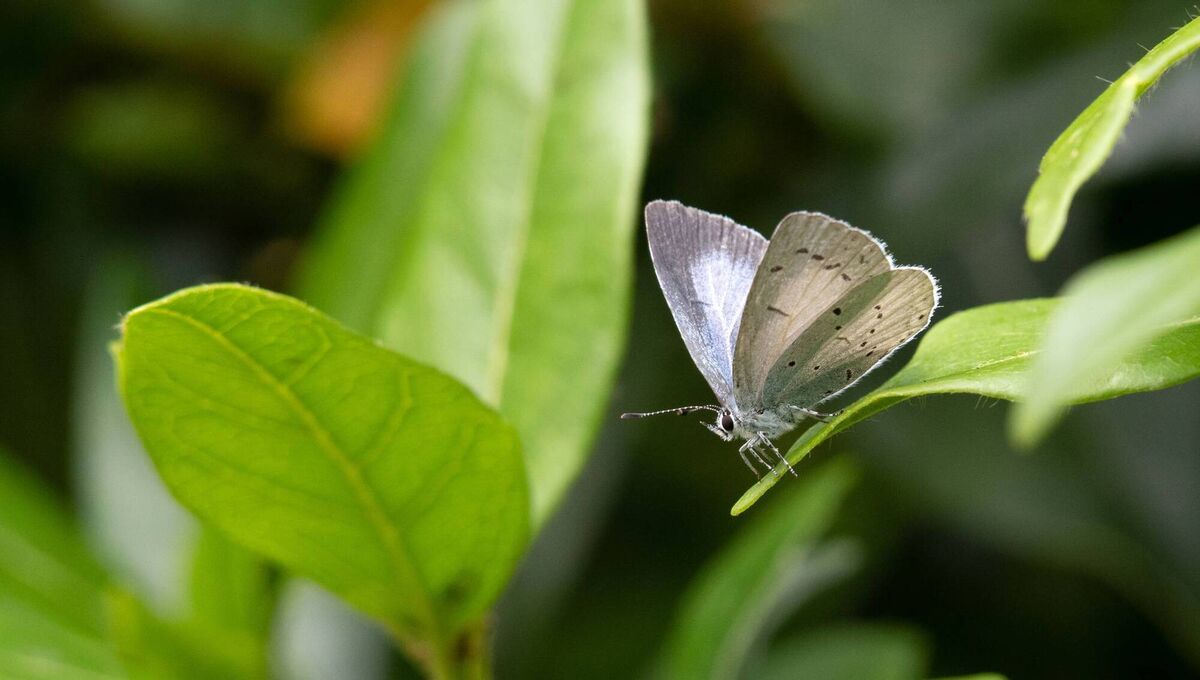
The caterpillars of holly blue butterflies have an exceptional skill — calling for help by squeezing their body parts together to make a caterpillar tune! A certain species of red ant responds to the singing caterpillars, helps fend off predators, and getting rewarded with a sweet fluid that holly-blue caterpillars produce especially. Such reciprocal relationships between caterpillars and ants are intriguing though still poorly understood.
Another butterfly I’ve begun to see this past week is the orange-tipped white. After spending 10 months a chrysalis, winged adults have been emerging during April. They can be seen flitting among the cuckoo flowers in wet verges and damp meadows. Cuckoo flowers are named because they flower when the cuckoo arrives back each April — and this weekend was also the first calling of the cuckoo I’ve heard this year. Cuckoo flowers are the favourite larval food plant of orange-tipped whites, which means that they lay their eggs on these plants only. When a caterpillar emerges from the egg, they have the convenience of feeding all around them, on the stems and leaves of the Cuckoo flower where they are born. Only the male has the prominent orange wing-tips.
All butterflies have enormous wings — relative to their small, downy bodies. Powering such large wings in flight takes a lot of energy, which is why butterflies need warm, sunny weather — to warm up their wings and help power the light muscles that operate the wings. This is why we often see butterflies lingering in a sunny spot, soaking up the sun’s warm rays. Once charged, they can fly in search of flower nectar to feed on and a mate to create a new generation with.
But it’s not the weather that is thought to be the primary driver of butterfly declines. Widespread loss of flower-rich habitat is depriving many of the 35 native butterfly species here of the resources they need to survive and breed successfully. Orange-tipped whites, along with other similar ‘white’ butterflies, are in serious trouble, having declined by 65% between 2008-2023. Many other species have been facing serious declines since 2008, when the Irish Butterfly Monitoring Scheme began. In the case of the orange-tipped whites, their demise is related to drainage of wet fields across the country, which eliminates the wet conditions that cuckoo flowers thrive in.
Each and every butterfly species has specific life cycle and larval requirements, with many having evolved exclusive relationships with a particular larval food plant. This has worked well for them for tens of thousands of years. Only in recent decades have we humans made such drastic and rapid changes to how land is managed and the declines occurred. Similar downward trends are evident for many wild bee species. Of the 100 native wild bee species in Ireland, more than half have undergone substantial declines in their numbers since 1980, and a third are now threatened with extinction.
But before we despair, there is a huge amount we can do to reverse these trends and improve the availability of healthy habitats for insects such as butterflies and wild bees. The increase in deciduous woodlands and mature scrub has had a positive impact on the silver-washed fritillary, our most iconic woodland butterfly, whose population has been increasing in recent years. One of the key needs for butterflies, bees, and other invertebrates is the existence of nature rich farmland habitats. ‘High nature value farming’ is a term used to describe where flower rich grasslands still support a wealth of wildlife. Richly flowering native hedges support many butterflies and wild bees too and much can be done in public spaces and private gardens also.
Whether on the farm, in the garden, or the council-owned and managed open spaces, every patch of green space can play a role in helping butterflies and biodiversity, mainly by facilitating native flowering plants. Most of the plants we might buy in garden centres are unsuitable for butterflies, being non-native and often laden with chemical pesticides. No matter how pretty they may look, many of the cultivars we might buy in garden centres have little or no nectar to offer wild butterflies and bees. During the months of May and June, favourite flowering plants for butterflies include hawthorn, wild crab apple, cuckoo flowers, bloody crane’s-bill, and common catsear.
- For more information on how to help butterflies with native plants, see this brilliant free booklet produced by the National Biodiversity Data Centre Rewilding-Your-Garden-WEB.pdf
CONNECT WITH US TODAY



Be the first to know the latest news and updates