Paws for thought: Cats might just be the purr-fect predator
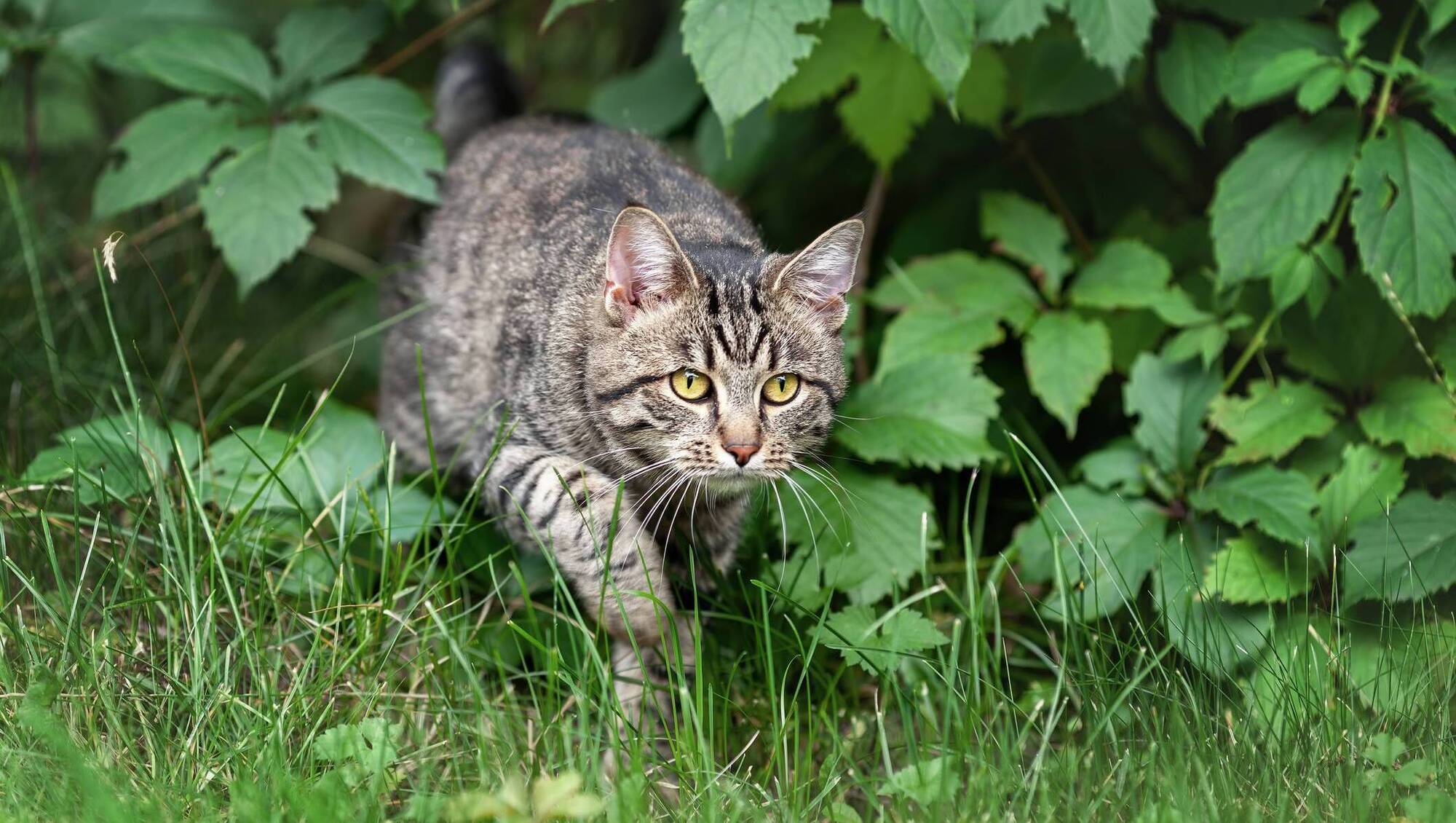
Cats are among the most widespread and efficient predators on Earth, and unlike most hunters, they have been given a global passport by humans.
There are few creatures more universally adored than the domestic cat. They star in memes, supervise our workdays, and manage to always look both elegant and faintly judgemental. With soft paws and a purr that could soothe even the most frazzled nerves, cats have firmly embedded themselves in our homes and our hearts.
First domesticated over 9,000 years ago, house cats (Felis catus) have travelled the world alongside humans. Now present on every continent except Antarctica and on hundreds of islands, they rank among the most widely distributed species on the planet. But beneath that cosy exterior lies an ecological reality that is far less comforting. Cats are among the most widespread and efficient predators on Earth, and unlike most hunters, they have been given a global passport by humans. From urban gardens in Ireland to remote islands in the Pacific, cats now occupy ecosystems that never evolved with such stealthy, adaptable hunters.
The scale of their impact is difficult to grasp until you see the numbers. In the United States of America alone, free-ranging domestic cats kill an estimated 1.3 to 4 billion birds and between 6 and 22 billion mammals each year. This figure varies from study to study. But this data places cats among the leading human-associated causes of wildlife mortality. Australia tells a similarly stark story. There, feral cats kill over 1.5 billion native animals annually and are implicated in the decline of more than 200 threatened species. This is not simply a case of opportunistic hunting. It is sustained, landscape-scale predation.
More recent global research has expanded the picture further. A 2023 synthesis in the journal Nature found that domestic cats prey on more than 2,000 species worldwide, including hundreds already considered vulnerable or threatened. Particularly sobering is their contribution to extinctions, with cats linked to the disappearance of at least 33 species, most of them on islands. In ecological terms, cats are not just successful predators, they are transformative ones.
To understand the full impact of cats, you have to look to islands. In places like New Zealand and Hawaii, many species evolved in the absence of mammalian predators. Birds nested on the ground, some lost the ability to fly, and others simply never developed the instinct to flee from a stalking hunter. When cats arrive in these systems, the result is an evolutionary mismatch. A predator equipped with speed, stealth, and sharp claws meets prey that is, quite literally, unprepared. The consequences can be swift and severe. Populations collapse, and in some cases, species vanish entirely. What might seem like a small, local issue (a single roaming cat) can scale up into a significant driver of biodiversity loss.
Countries have responded to this challenge in very different ways, often reflecting the scale of the problem and the value placed on native wildlife. Australia, facing some of the highest extinction rates in the world, has adopted an unusually assertive approach. Strict containment policies, including curfews and requirements to keep pet cats enclosed, are becoming more common. At the same time, large-scale programmes target feral cat populations using a combination of technology and traditional control methods. On islands such as Kangaroo Island, these efforts have already led to measurable recoveries in native species.
In Europe, the response has been more cautious. Rather than regulation, the emphasis has largely been on education and behavioural change. Campaigns encourage owners to keep cats indoors during peak wildlife activity, particularly at dawn and dusk, and to use mitigation measures such as bells or brightly coloured collar covers. While not foolproof, these approaches can reduce hunting success, especially for birds.
Across the US, one of the most widely used strategies is Trap-Neuter-Return, where feral cats are captured, sterilised, and released. The aim is to stabilise and gradually reduce populations over time. However, this approach remains contentious. While it avoids culling, it does not eliminate predation, and critics argue that wildlife continues to bear the cost in the interim.
It is easy, though not entirely fair, to place the blame on cats themselves. After all, they are simply behaving as predators do. The deeper issue lies with us. Humans have transported cats across the globe, allowed them to roam freely, and in some cases abandoned them, leading to large feral populations. Ecologists often describe cats as a human-subsidised predator, which means that their success is directly supported by human activity. In that sense, their impact on wildlife is less about feline behaviour and more about human responsibility.
The challenge, then, is not choosing between cats and wildlife, but finding a way to coexist with both. Evidence shows that simple changes can make a meaningful difference. Keeping cats indoors or in enclosed outdoor spaces significantly reduces predation. Neutering helps prevent population growth, and responsible ownership limits the risk of cats becoming feral. Perhaps most importantly, it requires a shift in perspective. Cats are not just companions; they are, ecologically speaking, small but highly effective predators. That doesn’t make them villains. But it does mean we need to take their impact seriously. Because when your cat drops a bird at your doorstep, it isn’t just offering a gift. It’s offering a glimpse into a much larger environmental story.
CONNECT WITH US TODAY



Be the first to know the latest news and updates