Undervalued and overlooked: Scrub is nature’s way of rewilding — here's how
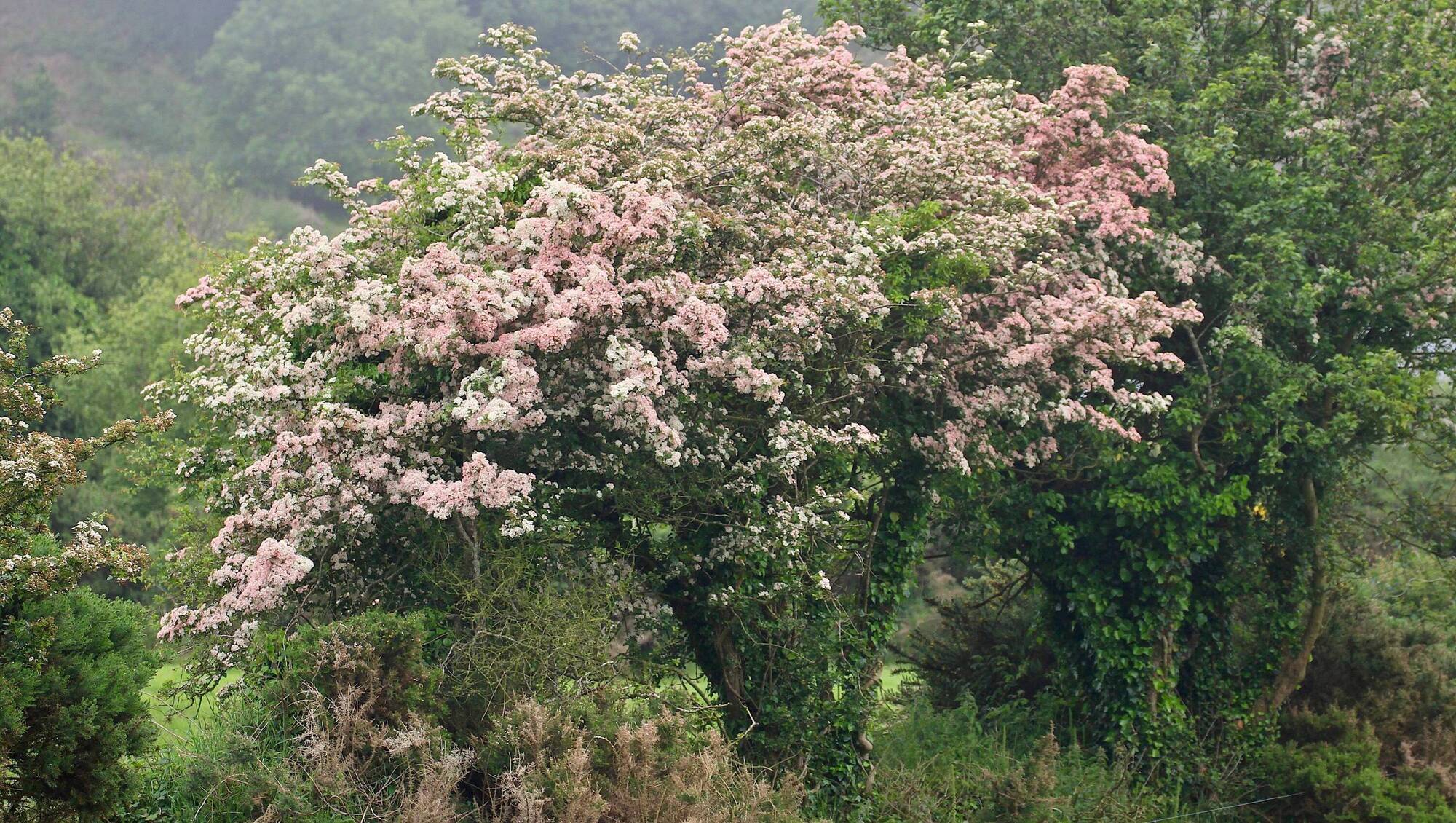
Naturally generated scrub habitats offer a similar suite of benefits to hedgerows. Come May, hawthorn flowers will draw in bumblebees, solitary bees, butterflies, hoverflies and beetles, all eager for the generous supplies of nectar.
We rarely pay much attention to alder, a hardy tree that readily plants itself wherever opportunity arises. But right now, before any of the broadleaf trees have grown their annual leaves, alder trees stand out. Generously draped with dangling purple-hued catkins, elegant and eye-catching in spring sunlight. In the clayey soils of the northwest, hills are currently cast in a haze of gentle purple, thanks to the abundance of alder and their catkins.
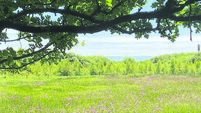
As a rule of thumb, the less intensively managed a landscape, the more the self-sown areas of scrub there are. These clusters of small trees and bushes weave through the landscape, perhaps spreading out from the edges of existing woodland or hedges, reclaiming field edges and corners. Each patch is populated by the tree types already growing well in the area, often those most suited to the soil type, self-seeded from parent trees nearby.
The term ‘scrub’ always seems to me too dismissive, even a little derogatory. It hardly reflects the value that these self-sown trees and shrubs bring to the landscape, especially considering the abysmal lack of deciduous trees and woods across Ireland. Scrub, as a type of habitat, is not yet established as woodland proper. Instead, it is a successional habitat, where wild grown trees tentatively claim their place in forgotten corners and inaccessible patches of land. The fact that scrub is naturally generated, rather than preconceived and planted by human hands, only maximises its merit. The right tree in the right place, decided by the wind, the squirrels and the jays. Scrub takes over the steep slope between the bend of the road and the river, where farming once made sense, but now the gradient is at odds with the needs of modern, mechanised management.
Scrub becomes established wherever regular management ceases, whether mowing, cutting or grazing, and thorny species multiply. Brambles are often the first to take hold, their long, barbed tendrils creating a tangled mass that is impenetrable to humans as well as cattle, sheep, and deer. Such thorny thickets are where tree seedlings can grow without threat from the nibbling mouths of grazers. Because bramble offers this protection, it is known as a ‘nursery’ for wild saplings trees. This is how bramble helps trees reclaim territory for wild woodlands, in a process of natural succession.
CLIMATE & SUSTAINABILITY HUB
Pioneering trees such as willow, blackthorn, hawthorn, holly, birch, hazel, elder, and gorse all populate scrub, depending on what grows nearby and the characteristics of the soil. Willows, also adorned with catkins right now, are almost always a feature of wild-sown scrub. Willow grows well in damp soils, and it is often the damp places where scrub is given the chance to develop. Male willows are laden now with fluffy yellow catkins, the yellows from the protein rich grains of yellow pollen. These provide valuable foraging for early emerging bumblebee queens. On female willow trees, catkins produce more nectar, good energy for bees as well as butterflies and hoverflies. Once a diversity of flying insects have food and shelter in sufficient supply, insect eating birds and bats are provided for too.
Lots of nesting songbirds are well catered for in scrub, the tangle of thorny species such as blackthorn and hawthorn offering protection for nestlings from larger predators. Where a robin, wren or a stonechat can flit easily through the dense thorny thicket, a sparrowhawk, a kestrel or a rook won’t easily get in. In this way, the eggs of many songbirds are protected by the scrub. For the parents of young hatchlings, scrub offers feeding opportunities too. Whatever the type of landscape, scrub habitats are just as significant as more celebrated hedgerows, offering a similar suite of benefits.
Blackthorn will be in flower soon, and come may, hawthorn flowers will draw in bumblebees, solitary bees, butterflies, hoverflies and beetles, all eager for the generous supplies of nectar. When squirrels and jays cache their hazelnuts and acorns in among the scrub, hazel trees and Oaks will, in time, emerge. Wildlife is not the only beneficiary of scrub. Services rendered for human settlements include landscape scale flood attenuation and carbon sequestration, both much needed now when we need all the help we can get in adapting to the ravages of climate chaos.
Yet all over the country, piles of grubbed out scrub are visible throughout the year, uprooted with diggers and piled high like sacrificial mounds. ‘Cleaning up the land’ is seen as a positive, scrub is not. These patches of emergent woodland are not properly protected, whether by incentives for retention, by penalties or through payments withheld for clearance. A lingering lack of clarity in the Wildlife Acts and dubious degree of protection in agricultural regulations means scrub is still widely cleared. For afforestation and forest management, scrub is often thoughtlessly cleared too, ironically in order to make way for planting up neat rows of forestry trees, often with far less wildlife benefit than that scrub that is removed.
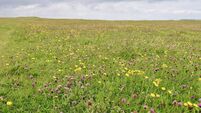
In certain circumstances, scrub can take over more valuable habitats. For example, ground nesting breeding waders such as lapwing and curlew are now threatened with extinction here. They need soft, wet open ground with a good view of incoming predators. Where scrub encroaches on such breeding habitat, it is entirely justified to keep habitats clear. Similarly, some grassland habitats are becoming increasingly rare, culturally significant and ecologically rich. Losing these to abandonment is not always a gain overall. Stunningly beautiful and now rare butterfly orchids, for example, grow and the clayey soils of hilly pasture, where land abandonment often leads to scrub encroachment. Ditto on lime rich lakeshores where rare ladies’ tresses orchids grow, easily shaded out by scrub. Such are the nuances of nature conservation, where a good thing is only a good thing in the right place and time.
But watching he piles of grubbed out scrub piled high across the land is a ready indicator that more must be done to celebrate and protect these overlooked and undervalued habits. Each patch, replete with a self-seeded community of native trees and shrubs, is natures’ way of rewilding.
CLIMATE & SUSTAINABILITY HUB
CONNECT WITH US TODAY



Be the first to know the latest news and updates