Gaelic Woodland Project: Building a community-rooted charity
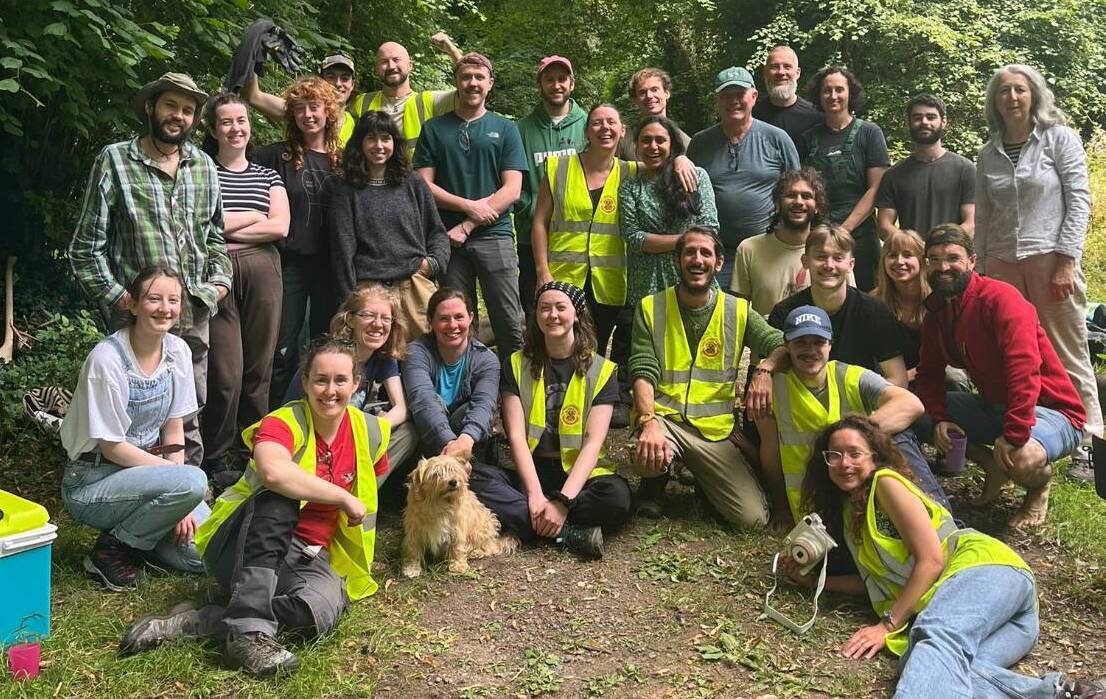
2025 Meitheal. Pictures: Gaelic Woodland Project
The Gaelic Woodland Project is a 100% volunteering charity which aims to remove invasive cherry laurel from our forests and purchase land for the creation of native woodlands.
Growing towards these goals, our roots are firmly planted in community, which fuels culture change, which in turn feeds our native woodlands.
Everyone involved, including the board of directors (the operational centre of the charity), is a volunteer — an approach reflected in our branding tagline: ‘People-Powered Reforestation’. Our impact results from the help we get from supporters, donors and volunteers; individuals like you and me coming together to tackle a crisis of national concern, largely on their own in the absence of Government action.
The call is one of individual, collective and land empowerment.
Since 2019, we’ve grown from a handful of friends in the woods to hosting volunteer workdays every summer, averaging about 30 people per day. In three seasons, we cleared tons of cherry laurel from woodlands in Killyon Manor, Hamwood Estate and Lisnavagh House — but our big insight has been realising that this terrible threat to native woodlands is actually a fantastic biofuel alternative because it burns very well once it is fully dry.
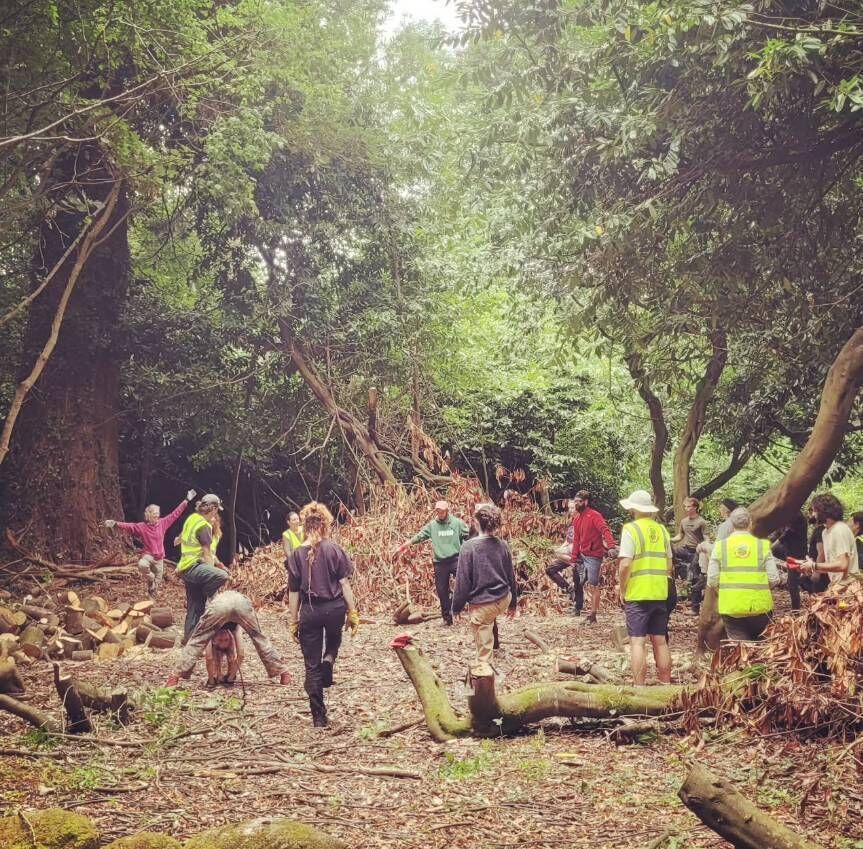
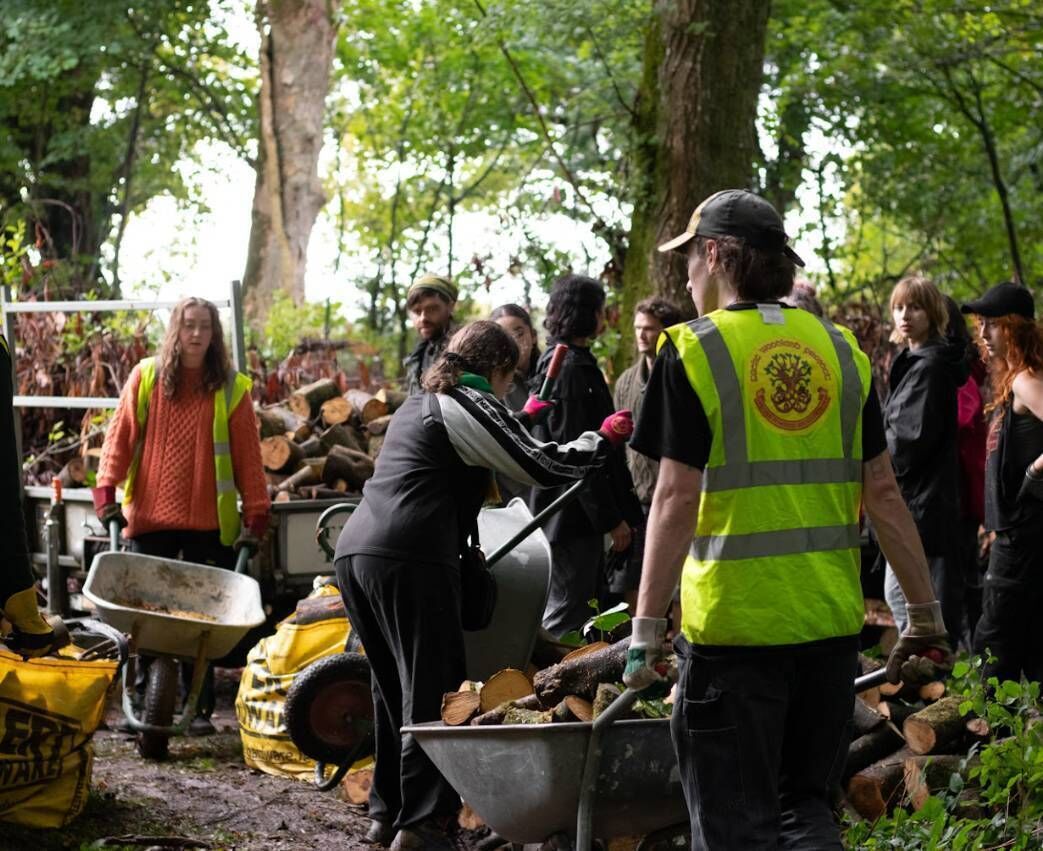
We do this work as a traditional Irish meitheal. Tasks are split up and loads are shared, just like people did centuries ago. The work is light, but efficient — with lots of craic as we go. On lunch breaks we share food and always have a boogie, music session or co-creation at the end of the day. Though most of our volunteers are Dublin-based, these events attract people from places as far as West Cork.
Our approach is experimental, and every season we learn new things to further develop our process. Last year’s work in Lisnavagh House was our third year, and the smoothest season so far. There were fires for tea, clear chains of command, and experienced volunteers leading the work. Every meitheal brings new lessons, insights and improvements, and we will be returning to Lisnavagh this year to continue the work.
A key element of our connections and community is that we encourage both our volunteers and charity officers (experienced volunteers who have taken a role within the charity — running the events and leading volunteer training and teams) to lean into their strengths and interests. One of our officers is a warm and nurturing woman, so she’s become the hostess, welcoming new volunteers each time and making them feel welcome, guided and safe. If there are any musicians or storytellers, we are delighted for them to provide entertainment.
The same applies to our fundraising efforts, with volunteers using their expertise or interests to organise events on our behalf. This is how we raised more than €60,000 in three years to buy 12 acres of land in Mayo, which were planted last year with more than 9,000 native trees — an exclusively community-funded reforestation effort which well deserves to be called 'people-powered'.
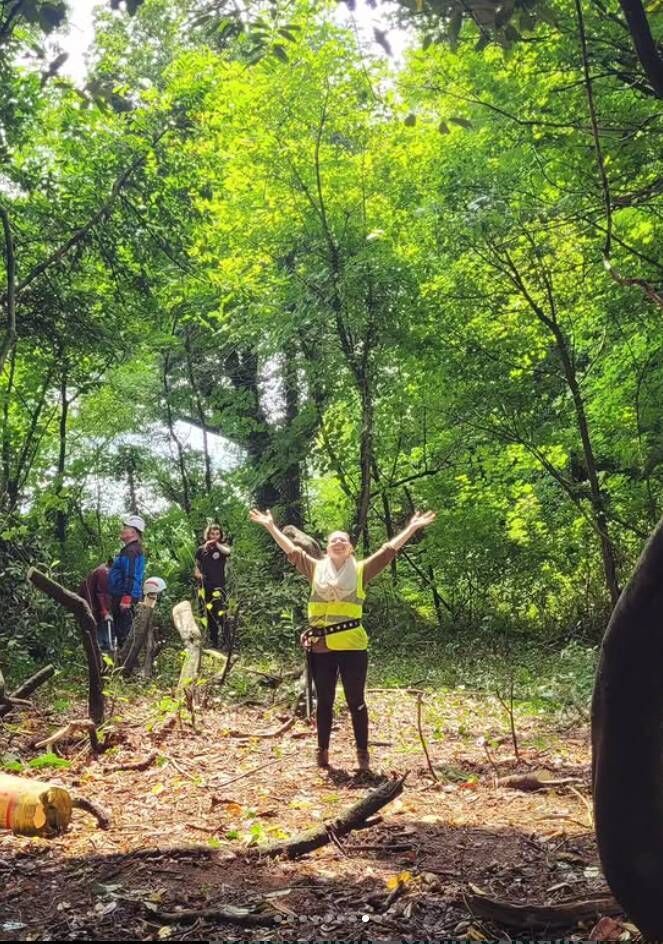
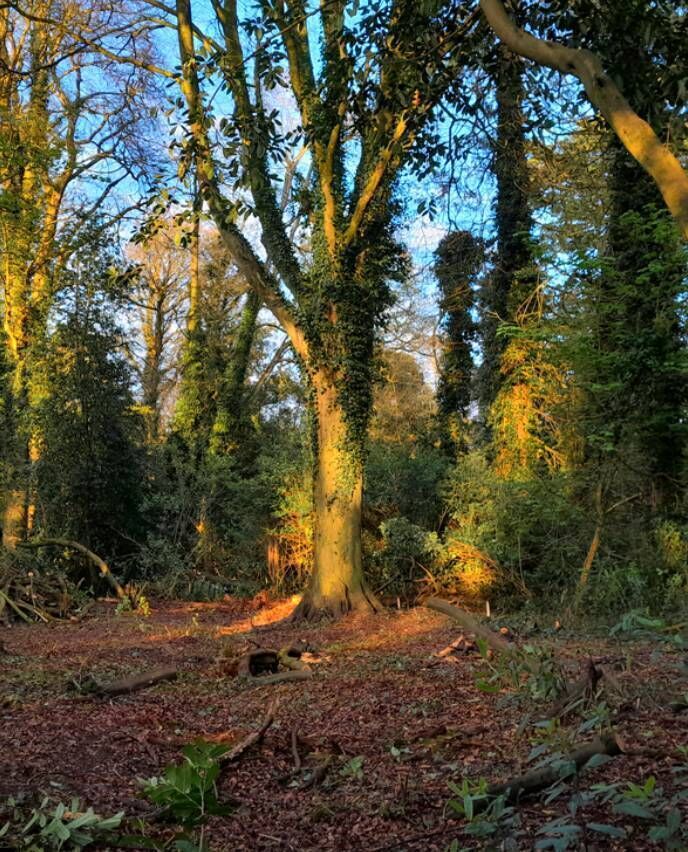
We collected and potted about 60 acorns which germinated in a volunteer's back garden in Dublin. After two years, these seedlings were planted on the site cleared in Lisnavagh during 2025. However, we have found natural regeneration to be far superior to planting — where there is light, the dormant seed-bank in the soil will spring to life. At our Kilyon site, the herbaceous layer went from bare soil to a complete cover of woodland herbs within a year of clearing the evergreen laurel canopy.
Another crucial aspect is encouraging the use of Irish, fostering a positive space that allows practice at any level. For Seachtain na Gaeilge 2025, we hosted a meitheal through Irish, and have since become the first environmental charity to become an official branch of Conradh na Gaeilge, leading to the creation of an Irish-speaking subgroup called Craobh na Coille: a hub through which all Irish-related events from the GWP are held.
We have created a nourishing space for reciprocal relationships to thrive. At our meitheals, our volunteers get to socialise, soak up sunlight and give something back to nature in a sound community environment. Having come together in the service of something bigger than ourselves, negative energy finds it hard to take a hold. We can be silly and have fun, but our shared purpose keeps us focused on what matters.
Our meitheals give people a deeper connection with place and community, and we have observed first-hand the positive impact this has, particularly in the realm of mental-health and our epidemic of loneliness.
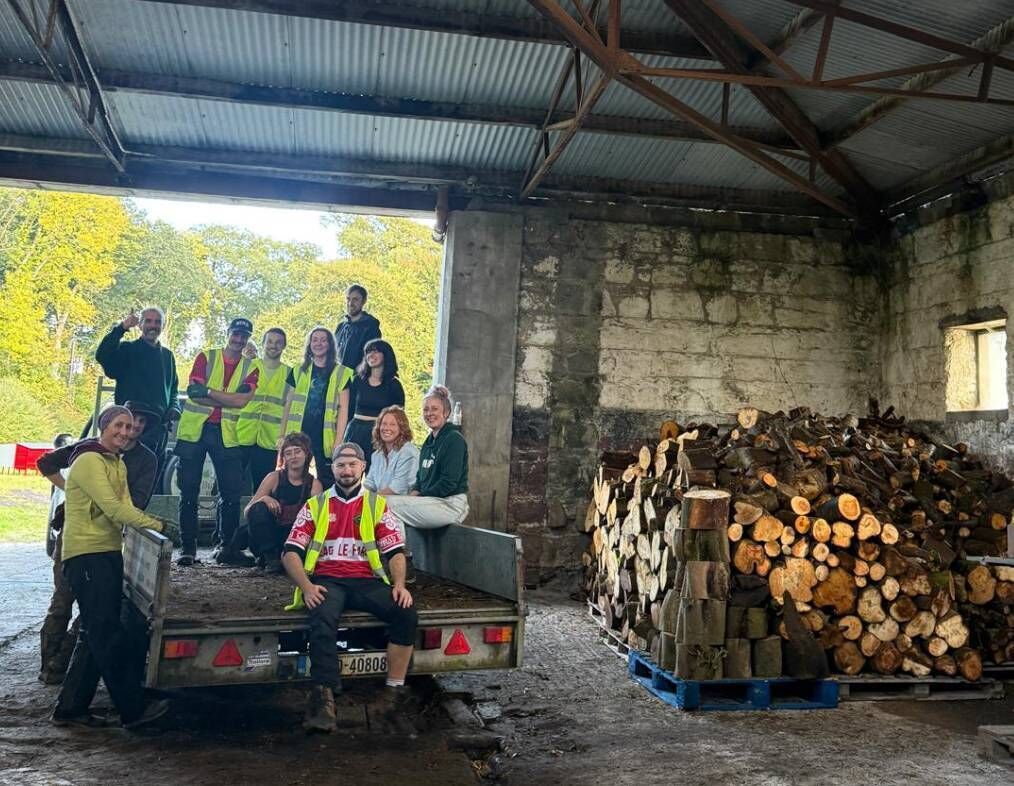
Many of our first-timers come to us feeling helpless in the face of climate change, frustrated by the difficulty of making a real difference. We offer them a simple, measurable, tangible and local way to make an impact while meeting wonderful new people. The more we work for the land, the more we become part of it and reap bonds with the people and places we do it with. When we help our native forests, they give so much back to us.
This is a return to the mutually-beneficial relationships that people used to develop with their environments in the past, the reciprocity between people and place that has sustained our human existence for the vast, largest majority of our existence as a unique species.
Robin Wall Kimmerer, writing both as a botanical scientist and as a member of the Potawatomi Nation, reminds us that nothing in nature can exist in, and for, itself. That community and the mutually beneficial exchange of energy and nourishment are the core of the functioning of the world around us, from the water cycle to our own digestive tracts. It is a moral covenant of reciprocity under which our lives, the planet’s and everything else in it works, whether we are aware of it or not.
Like a tree species that simply couldn’t exist without the mycelium network underneath it, we humans are the same, unable to grow smoothly without participating in an organic community of beings who have a defined role of giving and taking, which pushes life forward into diversity, harmony and resilience.
Our meitheal days are held once a month between March and September . If you’d like to join us, our Whatsapp community link is on our website gaelicwoodlandproject.com
- Santiago Rial is an Argentinian graphic designer and Gaelic researcher. Within the Gaelic Woodland Project, he is a director and secretary handling communications as well as the organisation of the meitheal days.
CONNECT WITH US TODAY



Be the first to know the latest news and updates