Public sector jobs: A third of applicants did not show up for interview

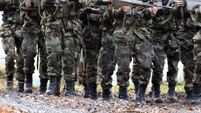
The rate of attrition was particularly high in Garda recruitment competitions, according to figures released by Publicjobs.ie under the Freedom of Information Act. Picture: iStock
Nearly a third of candidates invited to interview or an online assessment for jobs in the public sector did not show up or withdrew from the process.
Figures from the Publicjobs.ie service show that more than 100,000 applicants were invited to take part in recruitment competitions during 2024 and 2025.
However, more than 30,000 candidates did not attend or withdrew, with survey responses suggesting issues such as low pay and long wait times as factors.
Read More
The rate of attrition was particularly high in Garda recruitment competitions, according to figures released under the Freedom of Information (FOI) Act.
Last year, more than 6,600 people were invited to undertake an online test to join An Garda Síochána — but over 3,200 dropped out.
Across later interview stages, there were around 3,000 people called to interview, but a further 728 did not attend.
It was a similar story in 2024 when there were 6,350 candidates who were asked to do an online test for suitability.
Of that number, just over 3,000 dropped out without ever completing the initial stage.
Around 3,200 people were later invited for various interviews, of whom nearly 1,400 dropped out of the application process.
There were similar issues with other recruitment processes, including civil service competitions.
In one higher executive officer competition last year, 266 people were invited to interview, but 97 of them were no-shows.
For an executive officer role later in 2025, the Publicjobs.ie service asked 461 candidates to attend for a formal interview.
However, 131 of the potential candidates dropped out before that.
Another competition involving trainee auditors had a dropout rate of more than 40%.
A total of 300 candidates were asked for a presentation or business case, but 127 of them did not continue with their application.
There were also challenges in filling certain highly specialised medical roles.
A competition to hire a gastrointestinal surgeon at Mayo University Hospital last January attracted six candidates, but three dropped out.
Another job for a consultant in emergency paediatrics in Galway had four applicants, but three did not proceed.
There were also many competitions where the dropout rate was close to zero. An interview for a garda superintendent position last August, for example, had 53 applicants, all but one of whom were interviewed.
Read More
Survey results indicating why people dropped out included people taking jobs in the meantime or struggling with health issues.
Other reasons cited included “I applied for the wrong role” and “bad time management on my behalf”.
Among the more common complaints were difficulties with the online application process, the length of time it took for interviews to be arranged, and uncompetitive salaries.
Asked about the figures, a spokesperson said: “Publicjobs assesses thousands of candidates for roles in the civil and public service on an annual basis.
“In 2024 and 2025, over two thirds of assessments were attended by invited candidates.
“For each recruitment competition we run, a proportion of candidates tend not to attend each of the assessment stages and withdraw from the competition, usually for a variety of reasons.
“Our assessment process involves a combination of online testing, written exercises, and interviews.
“In 2024 and 2025, Publicjobs made more than 18,000 assignments to roles with candidates having completed our assessment process.”

CONNECT WITH US TODAY



Be the first to know the latest news and updates