Ongoing battle against invasive cherry laurel
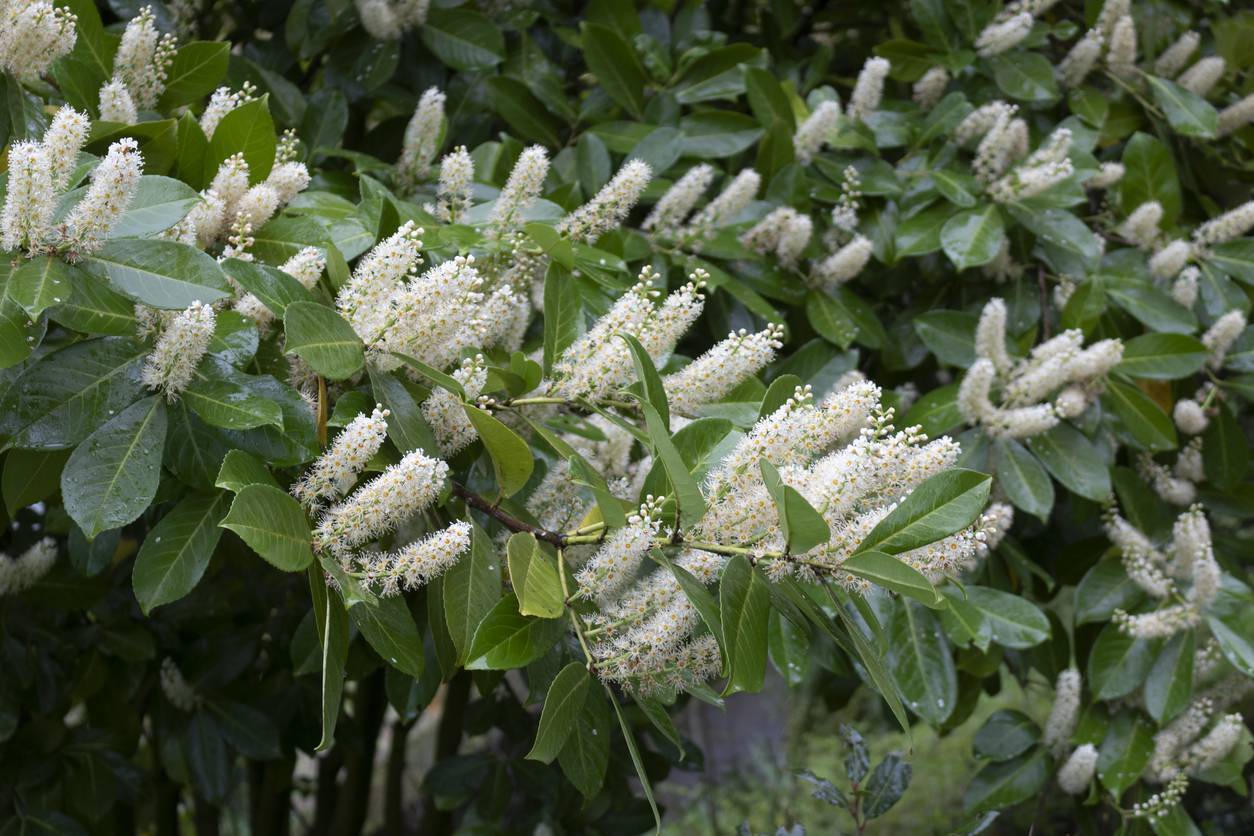
Cherry laurel (Prunus laurocerasus) is a plant that's native to the Balkans and the Caucuses — it is an invasive species in Ireland
Cherry laurel is a highly invasive plant causing widespread ecological harm to Irish woodlands, it is recognised by all our environmental agencies as a high impact invasive species and is now the second most common non‑native shrub in Irish woodlands.
Despite clear evidence of its ecological impact, and public calls for stronger regulation, including from the Citizens’ Assembly on Biodiversity Loss, it remains unregulated and widely sold across Ireland. This contrasts sharply with other invasive plants, which have long been banned from sale.
Despite growing public concern and scientific evidence, one of Ireland’s most aggressive invasive species, cherry laurel, remains absent from official regulation meaning it is permitted to spread unchecked across the island causing serious harm to our native woodlands and costing the Irish government thousands to remove.
Gaelic Woodland Project is a registered Irish charity with an ethos of 'people-powered reforestation'. Director, Oisín Ó Néill, explains why the charity is so concerned about cherry Laurel. Firstly "Invasive species are animals, plants or pathogens that would not naturally occur in Ireland but are here because of human activity. When introduced, they survive and thrive to the point of negatively impacting on our wildlife, on the services nature provides, on our economy, and the way we live."
Invasive species are one of the top three pressures on Irish nature, causing serious harm to our precious remaining natural areas and taking up significant time and resources to remove or manage.
There is a troubling disconnect between ecological reality and government policy, where inaction to regulate certain species suggests that short-term economic convenience is still being prioritised over long-term biodiversity protection, says GWP.
We put some questions about cherry laurel to them:
Cherry laurel (Prunus laurocerasus) is a plant that's native to the Balkans and the Caucasus.
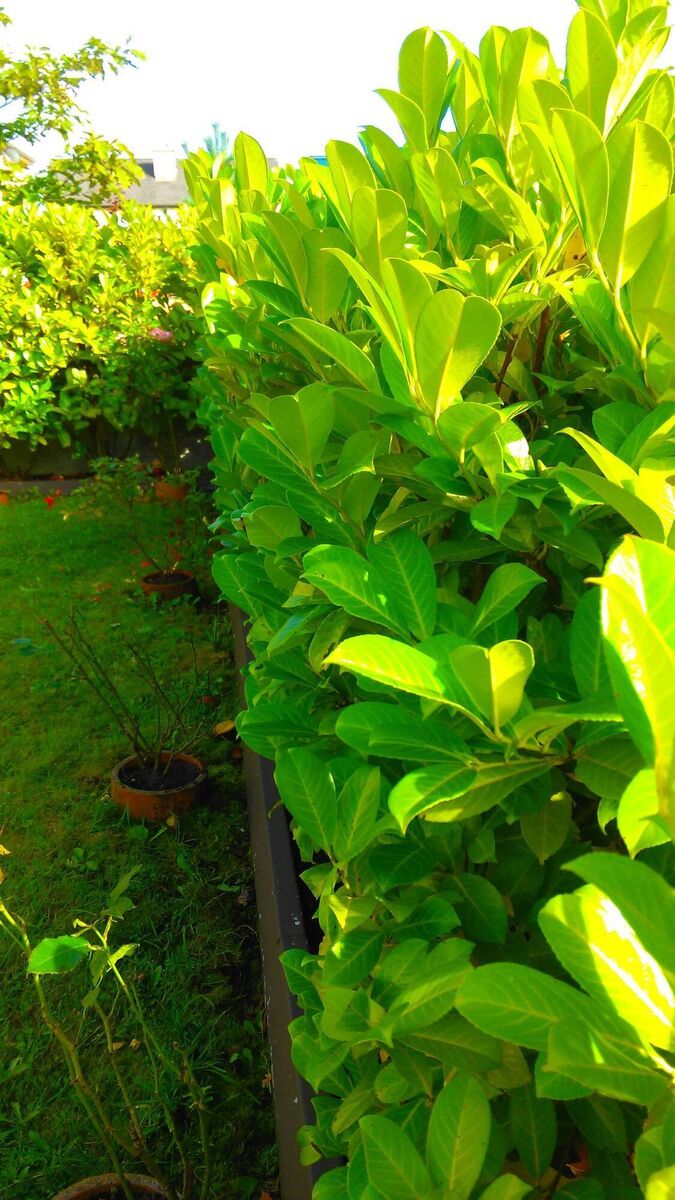
It was introduced in 1690 for ornamental and hedging use and it is still widely used as hedging today.
It has waxy cyanogenic leaves which means it is inedible to herbivores who will avoid it.
It spreads by bird dispersal. It also spreads by some root suckering and strongly from regrowth from stumps.
It is a problem in that it completely takes over the woodlands where it has established, negatively impacting native species and casting a dark shadow across the woodland floor.
It outcompetes native ground flora causing a biodiversity 'desert'. This means it prevents native tree generation and disrupts woodland ecosystems and biodiversity.
Cherry laurel is the second most common non-native shrub in Irish woodlands. It is classified as highly invasive by the National Parks and Wildlife Service and the Biodiversity Data Centre. It has been identified as a major issue by the Citizens' Assembly on Biodiversity Loss.
Cherry laurel has spread to every county in Ireland, it is present in all our national parks including Killarney, Glenveagh, Nephin, Wicklow Mountains Cherry laurel is also mass-cultivated meaning it is for sale cheaply in Ireland and can be found for sale for less than €4 in nurseries, garden centres and supermarkets.
Our native woodland cover is only ~1%. Laurel is rapidly colonising nature reserves, parks, and ancient woodlands. It threatens priority habitats under EU law: Hazelwood (Sligo), Coole-Garryland SAC Some examples of native woodlands close to Dublin that are being suffocated by cherry laurel include Massey Wood (Dublin), Devil’s Glen (Wicklow).
Definitely. The government spends up to 200mln a year on invasive species removal. Coillte allocated €500,000+ on Cherry Laurel and Rhododendron removal in Hazelwood Co. Sligo, an EU protected habitat and thousands of tax payer money are being spent on cherry laurel removal in the Coole Garryland Special Area of Conservation, yet at the same time cherry laurel still sold widely. There is a clear contradiction at play here when you look at the expense involved in its removal and the unrestricted sale of cherry laurel.
We have a problem with legislative inaction. The European Union (Invasive Alien Species) Regulations 2024 introduced a 'List of National Concern' which is a dynamic list, leaving it up to the member states to decide what plants or animals should be included on the list, the list already includes Rhodedondron Ponticum, Himalayan Balsam, Japanese Knotweed, Gunnera etc… but cherry laurel is omitted, leaving it unregulated. Without regulation, this widespread sale and planting continues perpetuating a cycle of environmental damage and short-term, expensive interventions.
The ecological benefits of restricting cherry laurel far outweigh any short term economic considerations as protecting native biodiversity and supporting ecosystem resilience must be recognised as national priorities.
Ireland has goals under the Biodiversity Action Plan to reduce the number of invasive species by 2030, by adding cherry laurel to the list of National Concern Ireland would be aligning with its own stated objectives. It would also be aligning with calls from the Citizens Assembly on Biodiversity Loss to tackle cherry laurel.
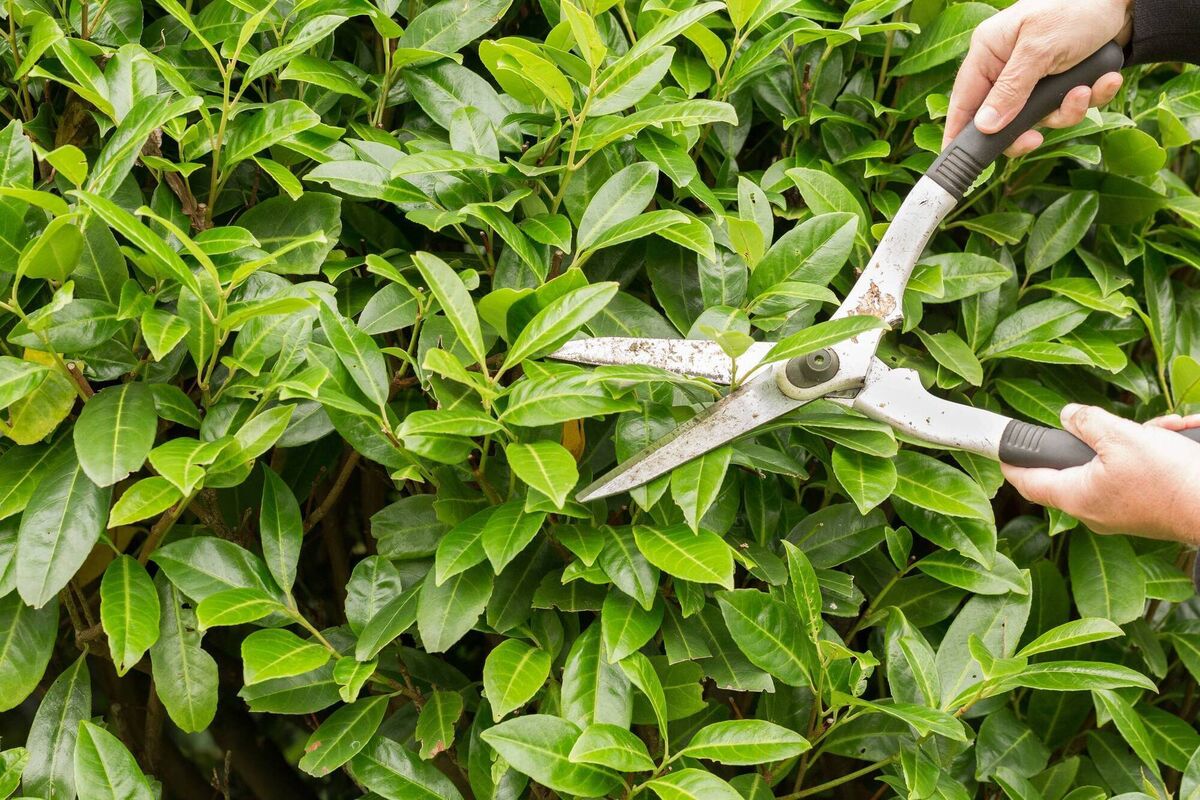
Community-driven action is important. GWP is a registered charity which is 100% volunteer run and which achieved charitable status in 2022. Our mission is to preserve Ireland's natural and cultural heritage. One of the things we've done to achieve this is we pioneered a community-driven approach to cherry laurel removal by organising meitheals and community clearance days.
Cherry laurel is worth looking as as a biofuel alternative to peat. It is widespread and can be used as a resource: if managed and controlled it can be used to assist in the energy crisis. Last year we gave away 10 tonnes of firewood free of charge to families in need, this year we are looking at double that number.
Cherry laurel is prone to vigorous regrowth — any area it's removed from needs to be managed and controlled. It also alters soil pH so any native flora takes time to return. There is also the possibility of erosion from the sudden exposure of soil when it is removed. And you have to organise careful disposal of the removed material (biomass).
Yes, against invasive species in general we have seen tentative success Killarney National Park against Rhododendron where heavy machinery is being used. There is evidence of native species recovery in our work sites where cherry laurel has been removed. And there has also been planting of native species and regeneration in removal sites.
Add cherry laurel to the List of Invasive Species of National Concern.
More funding for invasive species removal.
Public awareness of invasive species and promotion of use of native, biodiversity-friendly alternatives.
We need a coherent approach by the Government to invasive species management, including an adoption of cherry laurel removal into broader habitat restoration plans.
It's vital to protect Ireland’s natural heritage and meet EU and public expectations.
Raise awareness. Report infestations to the National Biodiversity Data Centre. Choose native plants. Support native nurseries. Educate others. Volunteer
We are hosting a volunteer meitheal on August 30 to remove cherry laurel from a native woodland. Click here for information on how to get involved.


CONNECT WITH US TODAY



Be the first to know the latest news and updates