The everyday health magic of mushrooms

Ancient cultures around the world valued the humble fungus for its medicinal and nutritional benefits, and those same traits can still help us today
A 2021 study concluded that those with the highest mushroom consumption were likely to live longer.

A 2021 study concluded that those with the highest mushroom consumption were likely to live longer.

When it comes to the health benefits of mushrooms, it’s the magic variety that tends to attract the most column inches. But the common everyday fungi in your supermarket deserve far more time in the spotlight.

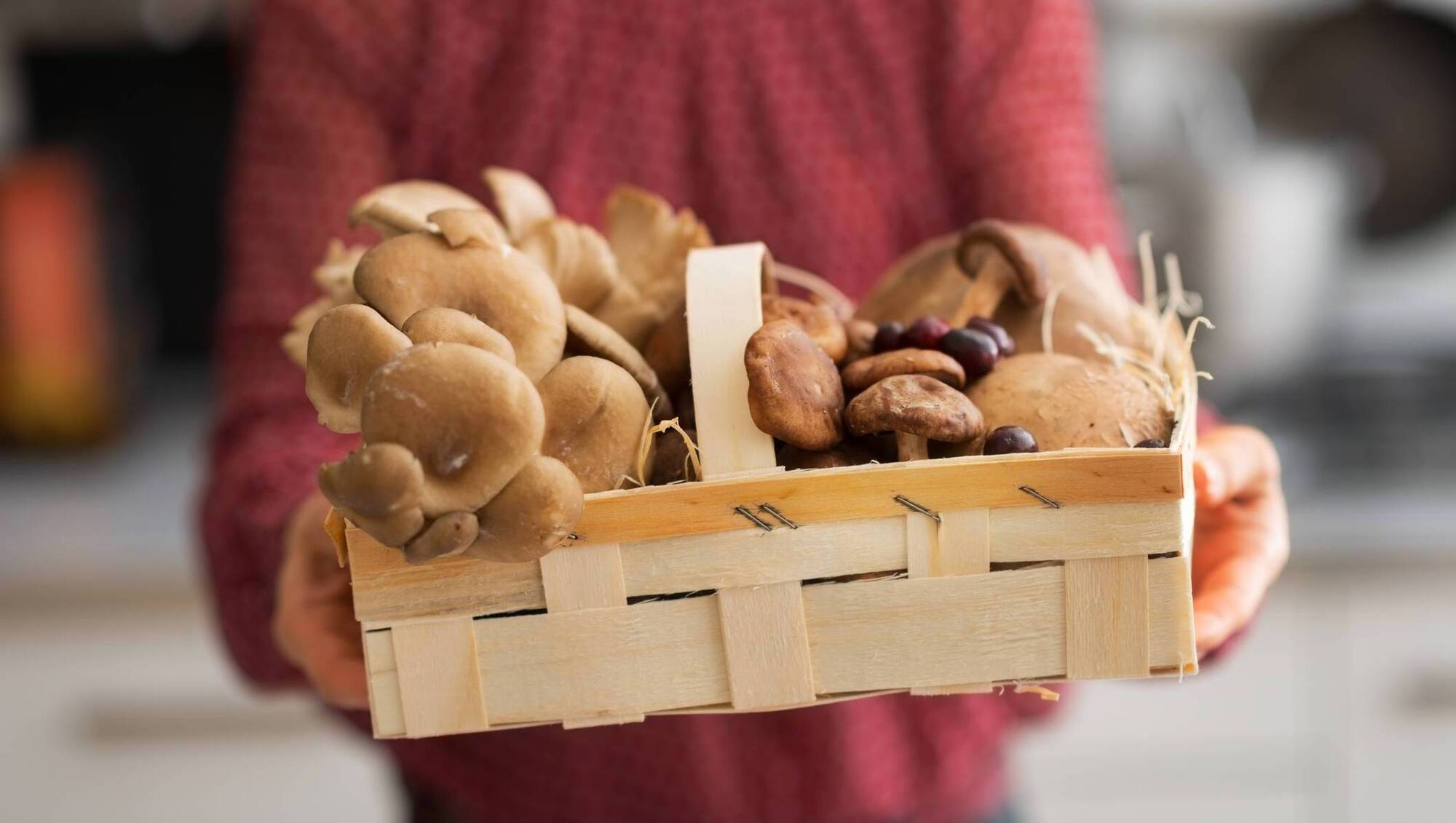
Mushrooms come in all shapes and sizes, from the tiny chestnut variety to fan-shaped oyster mushrooms. Historians have found that they featured heavily in traditional medicine practices, spanning civilisations in ancient Greece, Rome, China, and India, and more recently, research is finding that our ancestors were onto something.

A 2021 study carried out by nutrition scientists who analysed data from more than 30,000 people in the US, concluded that those with the highest mushroom consumption were likely to live longer. The explanation was that mushrooms pack a serious nutritional punch. As well as being low in calories, saturated fats, and sodium, they are brimming with nutrients from fibre to potent plant chemicals, vitamins, and minerals.

When Sarah Keogh, a registered dietitian, nutritionist, and founder of Eatwell, thinks of mushrooms, the first thing which comes to mind is that they’re particularly rich in various B vitamins. She believes this may explain why consuming more of them has been linked with better brain health.

Dietician Sarah Keogh says mushrooms may help protect against cold and flu.

“When we look at B vitamins, they play a key role in maintaining a healthy nervous system,” she says. “If you look at vitamin B5, also known as pantothenic acid, that’s been linked with aiding focus and concentration, and you’ll get that in quite high levels in mushrooms.

“A single serving of mushrooms will give you a little over half your daily [vitamin B5] requirements. You can also get vitamin B7, and they’re a good source of folate [vitamin B9].”

Good for the gut

Mushrooms have also long been believed to support the immune system, and a possible explanation relates to one of their more unusual characteristics. When exposed to sunlight, the UV light converts the ergosterol in mushrooms into vitamin D2. This “sunshine vitamin” is known to help regulate immune function, stimulating the production of natural antimicrobial molecules that target viruses and bacteria, while also helping to regulate inflammation.

Consuming mushrooms can also nourish the gut, where two-thirds of our immune cells are found. Keogh points out that they contribute to your daily fibre intake, typically providing around 2-3g of fibre for every 100g serving.

According to Daniel Commane, an associate professor at Northumbria University, mushrooms are an excellent source of a type of fibre known as beta-glucans, and getting more beta-glucans in our diet may support the resident fungi in our gut microbiome.

“These fungi communicate with our immune system, and ongoing research is looking at whether eating mushrooms may aid this communication,” says Commane. “So far, the evidence suggests that they may help protect against things like colds and flu.”

Anti-ageing

Another explanation for why mushrooms may improve our health is that they contain nutrients which can help mitigate oxidative stress, the steadily increasing onslaught of unstable molecules called free radicals, which can damage DNA in our cells. Oxidative stress increases with age because our ageing cells generate progressively more free radicals while simultaneously losing the ability to neutralise them. As a result, eating a diet high in antioxidants can help support the body’s natural defences against oxidative damage.

Research has found that mushrooms contain a particularly potent antioxidant in the form of the amino acid ergothioneine. It has been shown to be so effective at nullifying free radicals that it has even been dubbed the “longevity vitamin”.

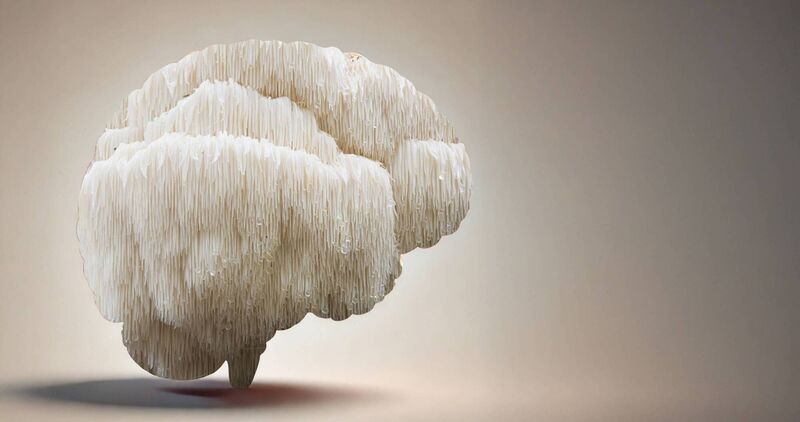
Some small studies have linked lion’s mane with a reduction in anxiety and depression, and other researchers have suggested that lion’s mane might enhance the growth of neurons in the brain

More research needed

Keogh remains cautious about the hype which surrounds some individual mushroom species, such as lion’s mane. While a handful of small studies have linked lion’s mane with a reduction in anxiety and depression, and some researchers have suggested that consuming lion’s mane might enhance the growth of neurons in the brain via the gut-brain axis, Keogh says that the evidence is still quite weak.

“While there’s research looking at whether [lion’s mane] might have potential in preventing things like Alzheimer’s and Parkinson’s, we don’t have evidence to say that it actually does,” she says.

“It’s a bit like the early stages of a new medicine where we’re thinking, ‘This might be helpful,’ but we’re a long way away from actually prescribing it.”

Keep it simple

While mushroom supplements, coffees, and wellness drinks are growing in popularity, Keogh is sceptical about whether they make much difference to health, especially as many studies are carried out over a few weeks. If you’re taking one of these supplements, she advises doing so for at least six months to gauge whether it’s really making any difference.

However, you’re also probably better off simply eating actual mushrooms, as that way you’ll be ingesting more fibre as well as getting all the other valuable nutrients.

While many people enjoy mushrooms with their unique meaty texture and rich, umami flavour profile, others struggle with the unusual feel of them in the mouth. But Keogh says that there are lots of different ways to incorporate the versatile fungi in your diet, some of which can mitigate their texture and taste.

“A lot of it is getting used to the texture,” she says. “There are millions of ways to use mushrooms. If you like slow-cooked things like casseroles, mushrooms are fabulous. They’re also lovely even if just fried, grilled, and mixed into lots of different things.

“If you don’t like the texture of them, chopping them up quite finely and then frying them down a little is a good way to use them as well. The old breakfast mushroom, cooked under the grill, is always good too.”

More in this section

Lifestyle

Newsletter

Eat better, live well and stay inspired with the Irish Examiner’s food, health, entertainment, travel and lifestyle coverage. Delivered to your inbox every Friday morning.

Cookie Policy Privacy Policy Brand Safety FAQ Help Contact Us Terms and Conditions

© Examiner Echo Group Limited