Everything you need to know about pelvic floor exercises to build strength at your core

Chartered physiotherapist Shalini Wiseman: Women tend to overlook pelvic floor health, often to their cost. Picture: iStock
You might work at strengthening your glutes, hamstrings, and core, but how much attention do you pay to developing the inner strength of your hidden pelvic floor muscles?
Shalini Wiseman, a chartered physiotherapist who specialises in women’s health and runs a clinic in Cork, says that our pelvic floor is something all adult women should be tending to more carefully.
“Women tend to overlook it, often to their cost,” she says. “Pay attention to your pelvic health, and you won’t regret it later in life.”
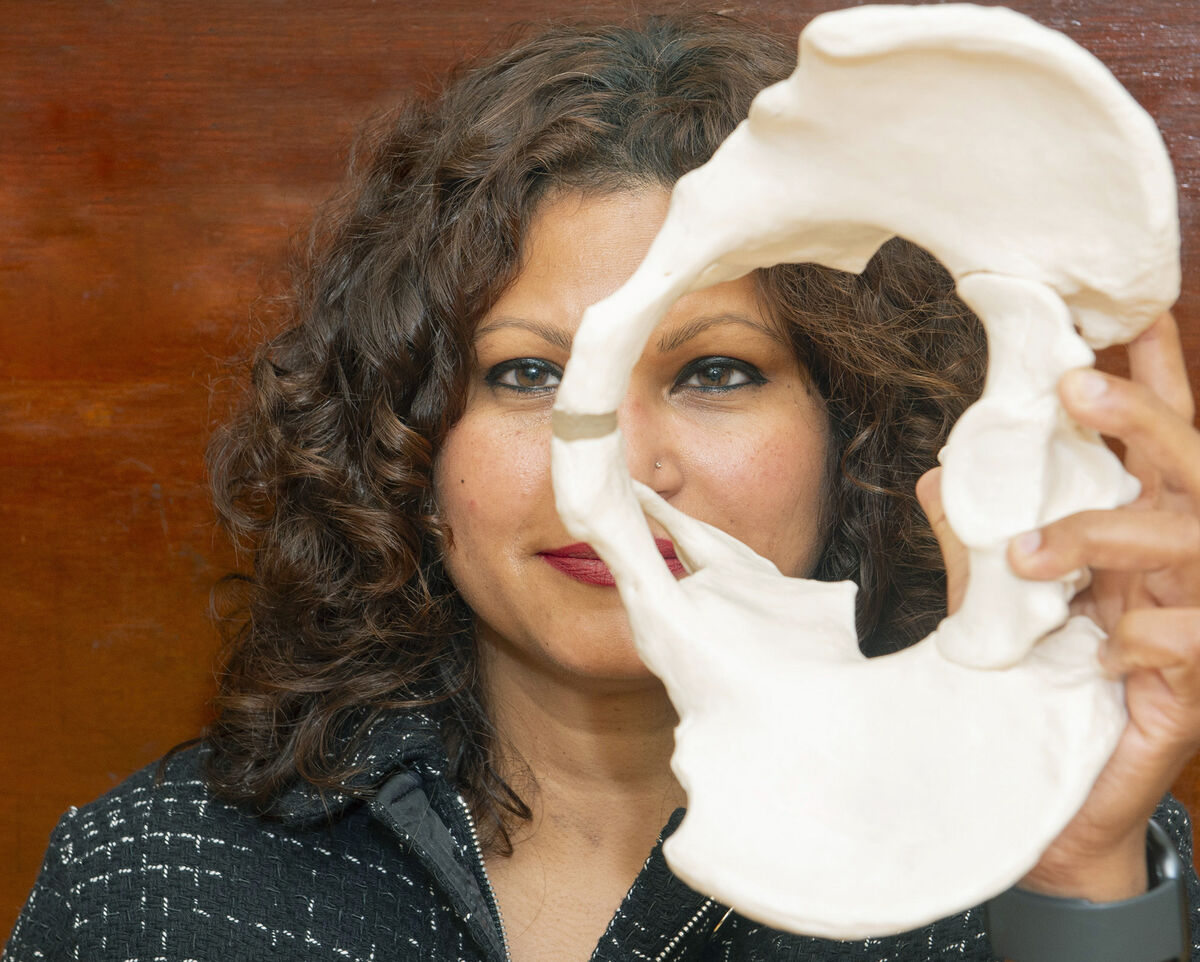
Many women overlook their pelvic floor muscles, which form a supportive hammock for internal organs and help to prevent back pain, improve posture, and boost their sex life. In fact, says Wiseman, the pelvic floor is as much in need of strength training as any other muscle group in the body and neglecting it will spell long-term trouble for our health.
In women, pelvic muscle weakness is exacerbated by pregnancy and later as a result of hormonal changes during the menopause.
Even everyday life can undermine the pelvic floor, with stress and weight gain among the factors that contribute to muscle weakness or overstretch.
But how best can we best look after our pelvic floor? Here, Wiseman answers common questions and shares her top tips:
Focused pelvic floor exercises aren’t necessary until young adulthood.
“Most young girls are still developing, and their pelvic floor will be in good condition,” Wiseman says. “Generic exercise and staying active are more important up to the early 20s.”
Running, sports, and trampolining are excellent ways to strengthen the pelvic floor muscles and bones.
“It’s also important to avoid smoking and excessive drinking from a young age as these can have a detrimental effect on pelvic floor health and development,” Wiseman says.
During and after pregnancy — or when you reach your 30s — the focus on pelvic health should intensify.
“Hormones begin to ebb and flow, and that affects the health of the pelvic muscles,” Wiseman says.
“It’s a really good idea to have a one-off consultation with a qualified physiotherapist to make sure you are doing your pelvic floor exercises the right way at this time.”
In your mid-40s, have another check-in. “This is the point when hormone levels begin waxing and waning in preparation for the menopause,” Wiseman says. “You might start to gain a little weight, and there are also changes to the vulvic area and pelvic health.”
For older women who have never done any pelvic floor strengthening, it is best to have a check-up before starting on your Kegel strength work. “It is never too late to start looking after your pelvic floor,” Wiseman says.
Exercise is essential, but only works if it targets the pelvic floor correctly. A priority is daily Kegel exercises, named after the American gynaecologist who discovered the importance of repeatedly contracting and relaxing the pelvic muscles and recommended as among the most effective treatment methods for bladder leakage and incontinence, Wiseman says.
To do Kegels correctly, imagine you are trying to stop yourself from passing wind and urine at the same time by tightening the back passage and pulling it upwards and forwards. These exercises can be done sitting, lying on the ground or on all fours, however you are most comfortable.
Aim for a total of 10 sustained isolated contractions — squeezing and holding the pelvic floor muscles for five to 10 seconds. This is followed by a series of fast squeezes of the muscles for one to two seconds. Do this three times daily to strengthen pelvic muscles and achieve better bladder control. After six months, the benefits will be significant — but you do need to keep them up.
Practise diaphragmatic — or deep belly — breathing to boost pelvic muscle strength throughout the day.
Sitting comfortably, put one hand on your belly just below your ribs and the other hand on your chest. Take a deep breath in through your nose, and let your belly push your hand out. Then breathe out through pursed lips as if whistling. The pressure created by this exercise acts a bit like a balloon, helping to stabilise your spine and reducing the risk of conditions like pelvic pain and dysfunction, as well as lower back pain.
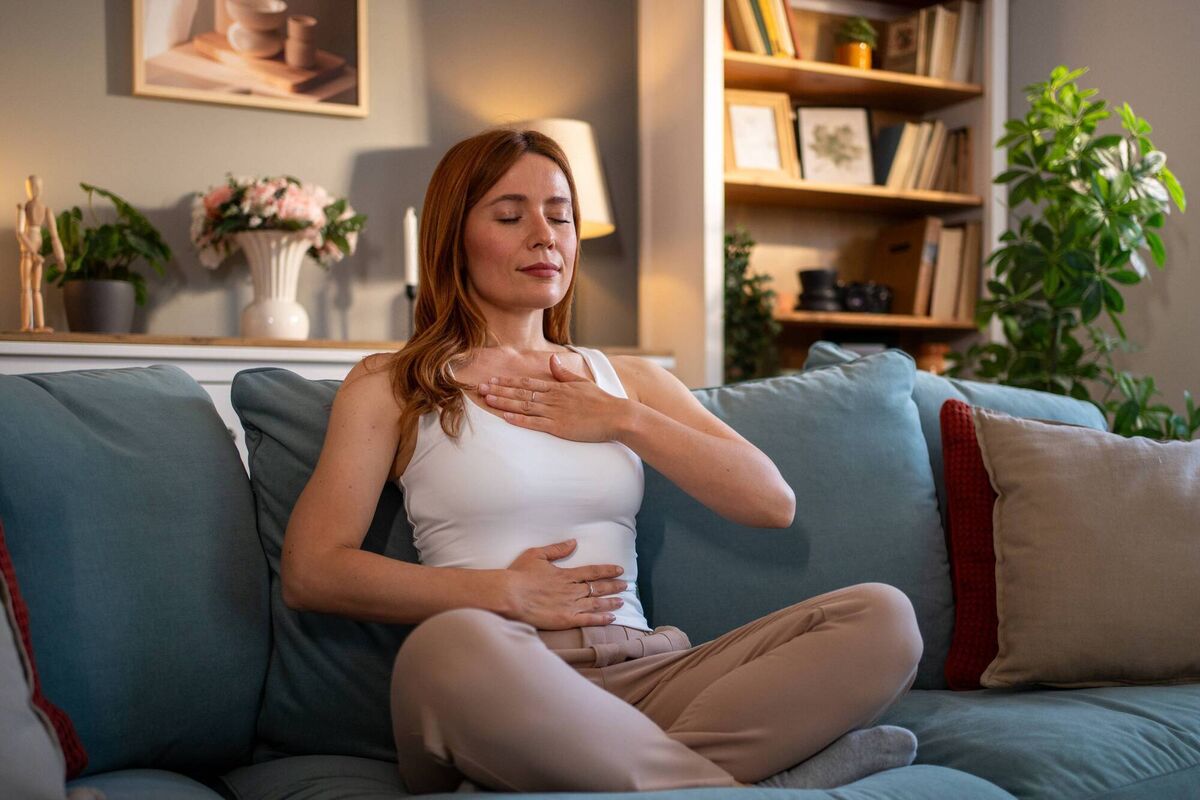
It is important to master this type of breathing while you do Kegels, although it can take time.
“It really helps with muscle recruitment in the pelvic area,” Wiseman says.
“The simplest way to think about it is to breathe into your belly before you squeeze, which makes your diaphragm descend, and your pelvic floor lengthen.”
As you exhale, squeeze the muscles to avoid piling pressure on the pelvic floor.
“It seems like a subtle movement, but it is a proper muscular contraction,” she says.
If you have pain wearing a tampon, when you have penetrative sex, or pain when you open your bowels, you shouldn’t do specific pelvic floor exercises.
“There is likely muscular tightness or poor muscle coordination,” Wiseman says.
“You will need a therapist to teach you how to lengthen your pelvic floor before doing any strength exercises.”
If you have incontinence, do your pelvic floor exercises for four weeks to see if your bladder control improves. In many cases, it will, says Wiseman.
A Cochrane Review found that women with incontinence were eight times less likely to suffer if they stuck to these workouts.
“If things don’t improve, make sure you seek a consultation to see what is going on,” says Wiseman.

Wiseman says: “One of the best ways to prevent pelvic floor pain and dysfunction is to maintain good bowel habits, as constipation causes people to strain, and that can exacerbate pelvic floor problems.
“Equally, tight pelvic muscles that are not working well can lead to gut issues such as constipation and bloating.”
Eat a healthy, balanced diet high in fibre and wholegrains and low in processed foods to minimise problems. “Fibre and probiotics are very important for healthy pelvic floor function,” she says.
“Not all gadgets are made the same,” Wiseman says. “Some, such as those that fit between your thighs, do nothing for your pelvic floor, whereas others, such as the Perift that goes inside the body, can be helpful.”
She adds that your pelvic muscles need to be strong enough to use them and that only women who have been practising Kegels regularly should try.
“You are wasting your time if you use these gadgets and [your pelvic floor muscles] aren’t strong enough,” she says.
“Do Kegels twice a day and get strong enough before even thinking about gadgets.
One 2020 study showed that a Pilates programme was an effective and sustainable method that decreased stress urinary incontinence, a common symptom of poor pelvic muscle strength that involves urine leakage when someone coughs, sneezes, lifts weights, or runs.
By our 70s, we have typically lost 20% of our muscle mass.
“Functional resistance training is important as a strong body means a strong pelvic floor,” she says.
But if you fail to work your pelvic floor muscles with Kegel exercises as you age, the consequences can be significant.
“We must try to keep that muscle bulk as healthy as possible,” Wiseman says.
“However, if it causes pain or you have urinary complications, speak to your GP before doing the Kegel exercises.”
“As our oestrogen levels decline around the menopause, the mucosal area of the vagina starts to get thinner, causing sex to become painful,” Wiseman explains.
“If you have had children, your vagina also undergoes structural change, and the scaffolding becomes weaker still as you age.”
Even if your pelvic floor muscles are super strong, you might not be able to hold things together completely and may experience urinary leakage.
“Vaginal oestrogen is useful for this,” she says. “It is safe to use even when breastfeeding if you have pelvic floor issues.”
It’s best to speak to your GP about suitable hormonal replacement therapy options.
CONNECT WITH US TODAY



Be the first to know the latest news and updates