Eight 'Irish Examiner' journalists reflect on how summer jobs shaped their success

Ryanair’s Michael O’Leary recently spoke about the value of young people taking on summer jobs, saying they are an indicator of work ethic and future success. Eight ‘Irish Examiner’ journalists reflect on their experiences of working as students and how those early roles shaped their careers
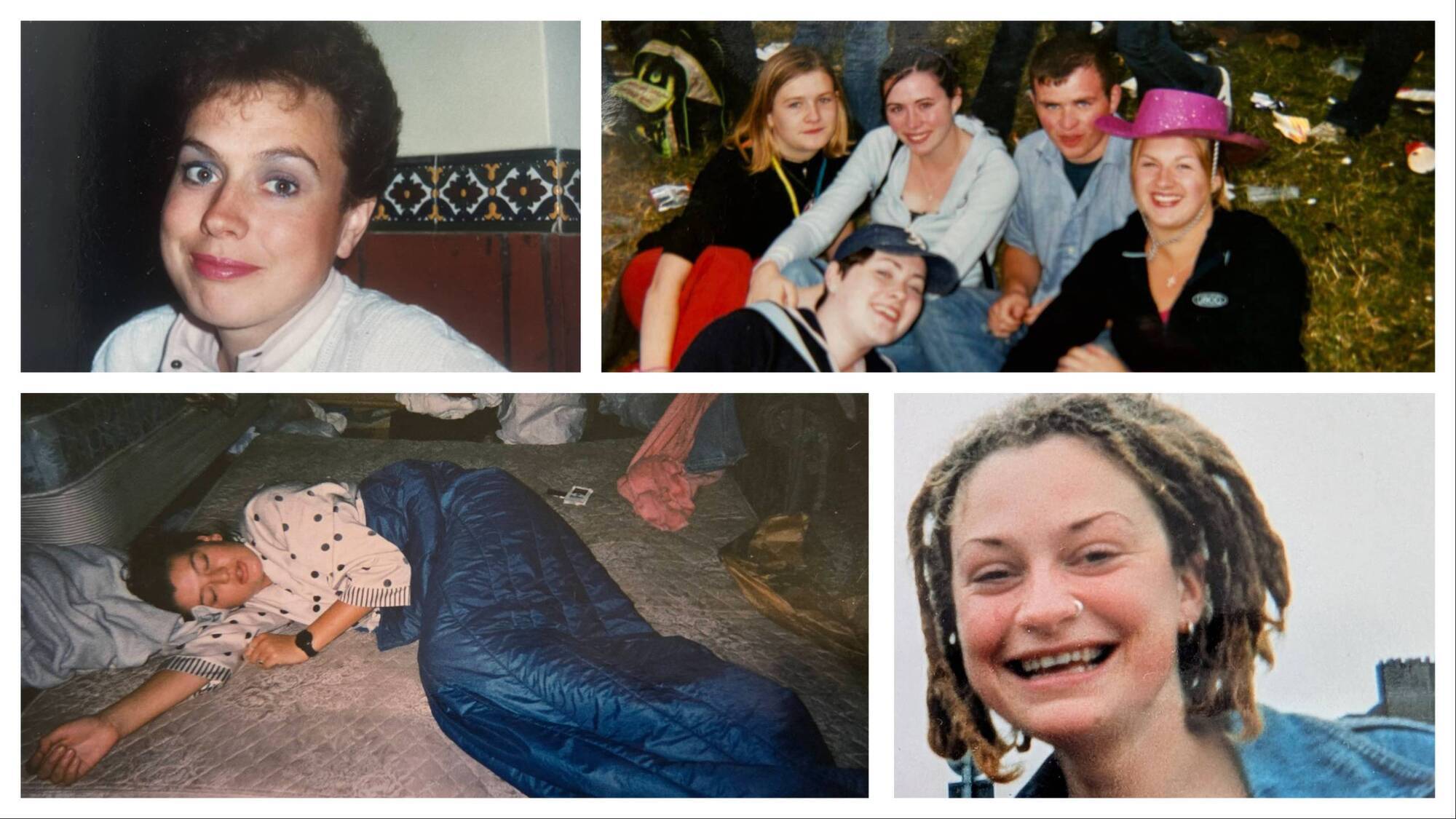
Clockwise from upper left: Irene Feighan; Deirdre O'Shaughnessy with her friends, including her future husband; Jillian Bolger; Esther McCarthy.
Clockwise from upper left: Irene Feighan; Deirdre O'Shaughnessy with her friends, including her future husband; Jillian Bolger; Esther McCarthy.

Esther McCarthy: Long Island multi-tasking

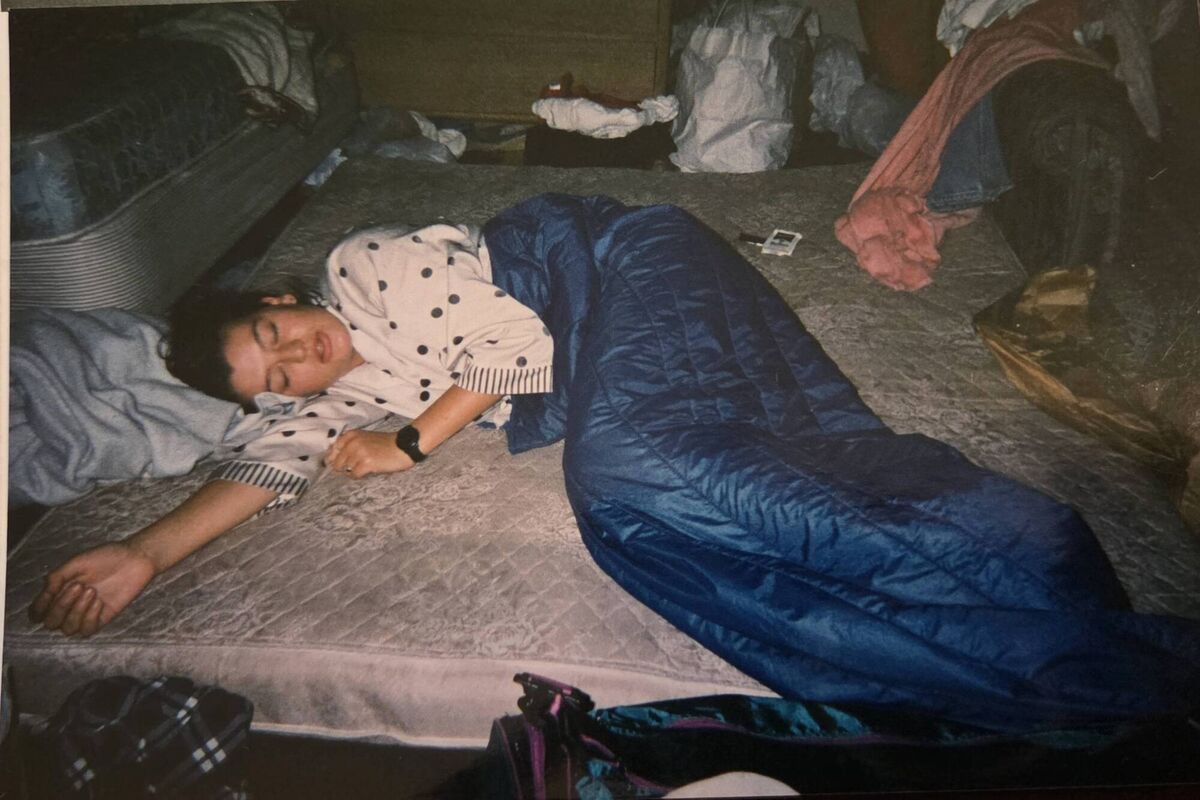
Esther McCarthy asleep at her shared student accommodation after a long day’s work.

In the summer of ‘97, I worked three jobs in Montauk, Long Island. First was nanny to a family of crazy rich caucasians. That lasted as long as it takes to say: “Paying me $100 (€88) a day does not mean you get to throw plates at me, you psychos.”

Then came the boat job on the Viking Fleet. The job included pulling the bikes on board the ferry, stocking the kitchen and bar, cooking and serving breakfasts and lunch, and manning the bar on the top deck. We learned how to tie up and cast off the large cruiser that ran daily from Montauk to Block Island. There were three other Irish girls and me — we had the best craic. We helped in the engine room, and we had to get her shipshape before the season even started — scrubbed bow to stern for $7 (€6) an hour, and sat a drug test for the privilege. Shifts were 7am to 7pm, and it was all go.

I got fired for showing up drunk one morning, having partied all night, with all the signs of it. I tried to give an excuse and say, “I got locked out of my room,” but they stopped me at “locked”. I had also just broken up with one of the skippers, so it was for the best. It was like a really crappy Below Deck.

After that, I was a bus girl at The Lobster Roll in Amagansett, 10 miles (17km) from where I was staying at the Tipperary Inn. Home was a mattress on the floor of a one-room place with seven or eight other lads, and a bathroom so bad I wore my shoes in the shower. I hitchhiked there and back. On my feet all day, it was busy, lots of celebs — if you weren’t literally running from table to kitchen to table on your shift, the manager would question your hustle.

I did everything from cleaning up vomit to scrubbing toilets to fishing false teeth out of the bin. The tips were great, and the staff were better.

That summer taught me the best life lesson: being rich doesn’t mean you’re content. The opposite, in fact.

Deirdre McArdle: Fota Wildlife Park

Deirdre McArdle as a child. Deirdre had a summer job at Fota Wildlife Park.

When I was 15, I worked as a volunteer tour guide at Fota Wildlife Park for the summer. Wearing a tour guide t-shirt, my job was to make myself available if any visitors had questions about the park or about the animals.

Working in the park was an education in so many ways. These were the days before PCs or the internet, so I got most of my information from books or leaflets. Looking back, this was my first foray into researching a subject, a useful skill I now put to work every day.

It taught me that there’s no such thing as a silly question, a motto I hold close to this day. Like the child who asked me if the scimitar-horned oryx’s horns would eventually grow so long that they would pierce its body. Answer — no, of course not, yet what a thoughtful and interesting question.

But most of all, the job gave me confidence. With the t-shirt on, I was seen as an expert by those visiting, or at least as someone who knew more than they did. I leaned into that and walked that little bit taller, put myself out there a little bit more, and decided to learn as much as I could so that I could improve their day, even just a little bit.

Vickie Maye: Local deli and Maryland restaurants

Vickie Maye, far right, and friends in the States.

My children recoil in horror, shouting ‘slave labour’, when I tell them I had my first part-time job at 13. I was already onto my second job by the time I was 14. They howl with laughter when I tell them I was paid 86p an hour in ‘old money’, given to me every week in cash in a little brown envelope.

It’s the equivalent, I suppose, to our grandparents telling us they walked, rain, hail or shine, five miles to school barefoot.

I stayed at the job in the local deli for over six years — it saw me through secondary school and a chunk of college. The pay was paltry, but it was enough to give me financial independence in the late ’80s and early ’90s. But more than that, it gave me street smarts. In a customer-facing role, I learned the hardest job of all: How to deal with people, particularly the awkward ones.

At 21, I headed off on my J1 to Ocean City, Maryland. There, I lived away from home for the first time, working two jobs as a waitress. We partied hard, but we also worked hard. We spent our tips on nights out, saving what was left over for more travel — we ended that working holiday in Jamaica.

It was the summer of my life.

My children might laugh at my ‘back in the day’ nostalgia, but they know, too, that I want them to experience the life lessons my part-time and summer jobs gave me. The day my eldest turned 16, she had an interview for her first part-time job. Who knows what her children will have to say about it?

Jillian Bolger: Food prep at Martha’s Vineyard

Jillian Bolger as a teenager.

After graduating from college, I spent a summer in Martha’s Vineyard, off the coast of Massachusetts.

I landed a job at Soigne, a high-end deli in Edgartown, where a husband-and-wife team created some of the best food on the island. Puppy, the husband, was the chef, and in his kitchen, I learned basic food prep. Some mornings I’d shell large bowls of peas, fresh from the pods; other mornings I’d be preparing shrimp for the barbecue, cracking their shells, popping off their heads, and deveining them.

Dede, Poppy’s wife, was the baker, and her confections were legendary. I had my first taste of baked cheesecake in her kitchen, and I will always remember that lush combination of sour cream and cream cheese with vanilla and blueberries. I brought the recipe home and make it to this day.

When US President Bill Clinton was on the island, we arrived at work one morning to find TV crews out front, as word had spread that Dede was making his birthday cake. She wasn’t — but it was fair to say that she deserved her reputation as the island’s best baker. I will never forget tasting her brownies, sandwiched together with a layer of ganache, a dark chocolate and cream filling, that I had to take from the fridge every few hours to stir.

One annual visitor, a New York banker, used to order several trays of them to be flown home with him at the end of the summer. He was just one of the many wealthy summer residents who came daily for huge sandwiches, to order catering for their garden parties, or collect picnics ahead of a day on their yacht.

I wouldn’t realise it at the time, but this summer job in such a wonderful kitchen would mark the beginning of my career in food. Within two years, I would become the editor of Food & Wine magazine back in Ireland, and continue writing about food to this day.

Nicole Glennon: Ticket office and gift shop

Nicole Glennon as a teenager. She worked in the gift shop at Westport House.

The summer job I’ll never forget was working at Westport House and Pirate Adventure Park when I was 19.

My mother’s side of the family is from Westport, and my mam, aunts, and several cousins had previously worked in various roles in the estate — from babysitting duties to dressing up as the mascot Pinkie the rabbit.

My role in 2017 was largely confined to the main ticket office and adjoining gift shop.

Mornings were spent managing queues that stretched out the door, often with stressed parents and overly excited children eager to get going. Evenings often involved serving ice creams and cashing up the tills.

Communication was a big part of the job, as was adaptability and staying calm under pressure — all skills that are a core part of my job today.

I found my favourite part of the day was when things slowed down a bit, and I had time to really talk to customers — perhaps why I’ve gravitated towards features journalism, where you often have more time to spend with a story than those on breaking news.

The job also cemented the fact that I definitely didn’t want to be responsible for looking after large amounts of money — cashing out the till was the most anxious part of the day.

The thing I loved most about the job was the setting. I stayed with my godmother that summer, who lived nearby, and the 20-minute walk down the quay, through the estate, is still the most beautiful commute I’ve ever had.

Deirdre O’Shaughnessy: House move

Deirdre O'Shaughnessy, wearing a pink cowboy hat,  and friends, including her future husband.

The summer I was 17, I spent a few weeks helping our former neighbours, Bridget and Ted, to move house.

Theirs was no ordinary house, but a warren of interconnecting rooms and random staircases, over the three shopfronts that had been their family’s livelihood for generations. It was no ordinary move, but a repeat of our own flight from the main street, ‘over the shop’ life we knew to an out-of-town two-storey with square rooms, smooth walls, and sharp corners.

I had been in their drapery shop every August to buy my new school uniform and in the kitchen too many times to remember, brought in so Granny Crowley could have a look at me from her fireside chair. But I hadn’t known there was so much to that house until I was sent to its furthest reaches to pack up books, knick-knacks, kitchenware, and family albums dating back to the early 1900s.

The fact that Bridget was also my English teacher and the definition of a bookworm didn’t help my work ethic. I spent many of those afternoons hidden away in far corners reading The Catcher in the Rye and her enormous collection of Ruth Rendell mysteries.

I learned how to look busy that summer, and how not to pack glassware — plenty of the more delicate kitchen items didn’t survive my ministrations.

I was paid in cash for my troubles, but the books were better — although I never did like Holden Caulfield.

Jill O’Sullivan: Supermarket checkout

My first paid summer job, at 17, was in the local supermarket where we did our weekly shop — secured by my mother as a favour from the man who owned the shop. It was clear they didn’t really need an assistant, so I took to washing down the shelves and restocking them with tins and bottles facing front, near-military-style, really just for something to do.

The boss noticed — I suppose it passed then as showing some initiative — and I got promoted to the tills and kept on for the summer. It showed me that merely showing up and keeping busy gets you noticed, and may even create opportunities. I remember that I took the work seriously — being mortally offended once when a customer claimed I’d messed up her bill — but there was plenty of time, too, for chats and laughs with co-workers.

We had a small family printing business and we six kids were well used to the jobs that came home out of that — stapling books of tickets for Christmas draws (you’d fly through the books of seven tickets; books of threes would make you groan), interleaving invoice books, gluing spines on order books — but that supermarket job was my first experience of paid work outside the home.

The summers after that, immediately before and between the years of college, took me to hotels in Surrey, Germany, and Scotland for waitressing and chambermaid work (do they still call it that?), and a memorable one that I hated: Au pairing in France. In combination, these experiences schooled me in how ‘work’ isn’t a narrow thing that’s only about tasks, though it’s important to do them as well as you can.

Top tip, though? The people at the coalface with you are, for the most part, interesting, fun, and who you rely on when the job, or your boss, is driving you mad.

Irene Feighan: Women’s foundation department

Irene Feighan worked in a department store.

I was thrilled at 15 to get a summer job in one of the biggest department stores in Limerick. For the first time, I was on a wage, which meant I could fund my fashion habit and save for a holiday in far-flung Galway.

I never expected that I’d learn so much about life while working on the floor, mostly in the ladies’ foundation department. To begin, I was expected to turn up on time and be dressed for the part. Being attentive and patient, no matter how demanding the customer, was the unspoken rule. I was on my feet all day — except for breaks in a musty tearoom upstairs — and was told to look busy.

Between dusting, sorting endless boxes of bras and corsets, and arranging the display, I always found something to do; otherwise, I knew the day would creep by.

What lingered, though, were the women who struggled with their body shape — pleading with me to find something to ‘pull it all in’. It was the mid-1970s, and many were mothers of large families, exhausted by the endless demands of raising children. Contraception was not yet available legally, and feminism was considered a radical, bra-burning concept. Women in Catholic Ireland were, for the most part, expected to work in the home and put their families first. The term ‘self-care’ had not yet been coined.

In response, I would once again pull the measuring tape from around my neck and measure their bust, waist, and hips. Together, we worked to find the ‘just right’ fit, often with me squeezed into the cramped dressing room with them, making sure the bra fully covered their breasts or helping them to hoick up the corset. 

I loved seeing their faces light up when — at last — they found the perfect ‘foundation’ garment. Though decades separated us, an unspoken sisterhood united us. The experience has served me at every stage of my career since.

More in this section

Lifestyle

Newsletter

Eat better, live well and stay inspired with the Irish Examiner’s food, health, entertainment, travel and lifestyle coverage. Delivered to your inbox every Friday morning.

Cookie Policy Privacy Policy Brand Safety FAQ Help Contact Us Terms and Conditions

© Examiner Echo Group Limited