WHO says hantavirus outbreak unlikely to become epidemic after three deaths
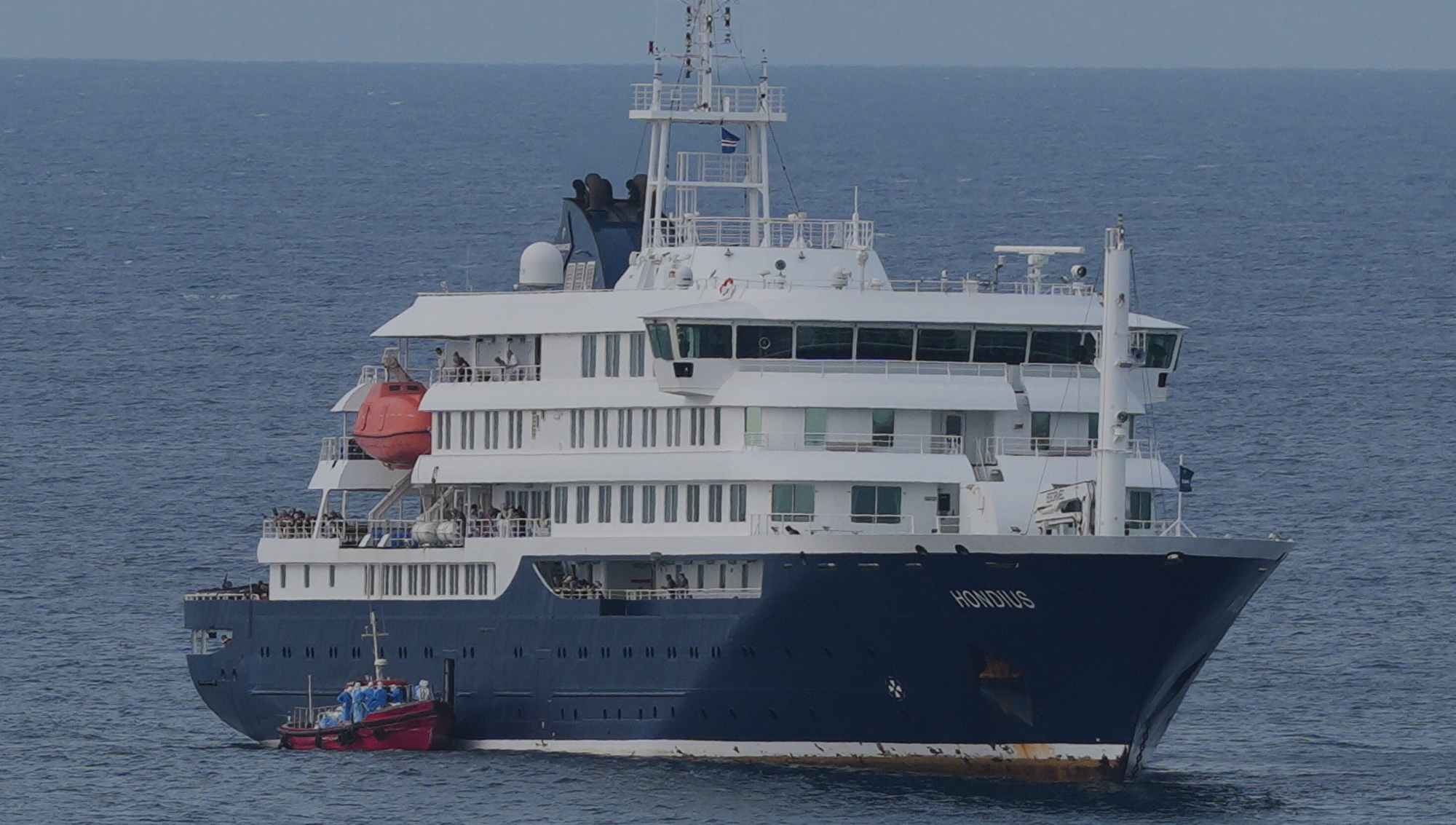
The MV Hondius cruise ship is anchored at a port in Praia, Cape Verde, Wednesday, May 6, 2026. (AP Photo/Misper Apawu)
The World Health Organisation has said the hantavirus outbreak linked to the cruise ship MV Hondius is not expected to develop into a major epidemic, despite three reported deaths.
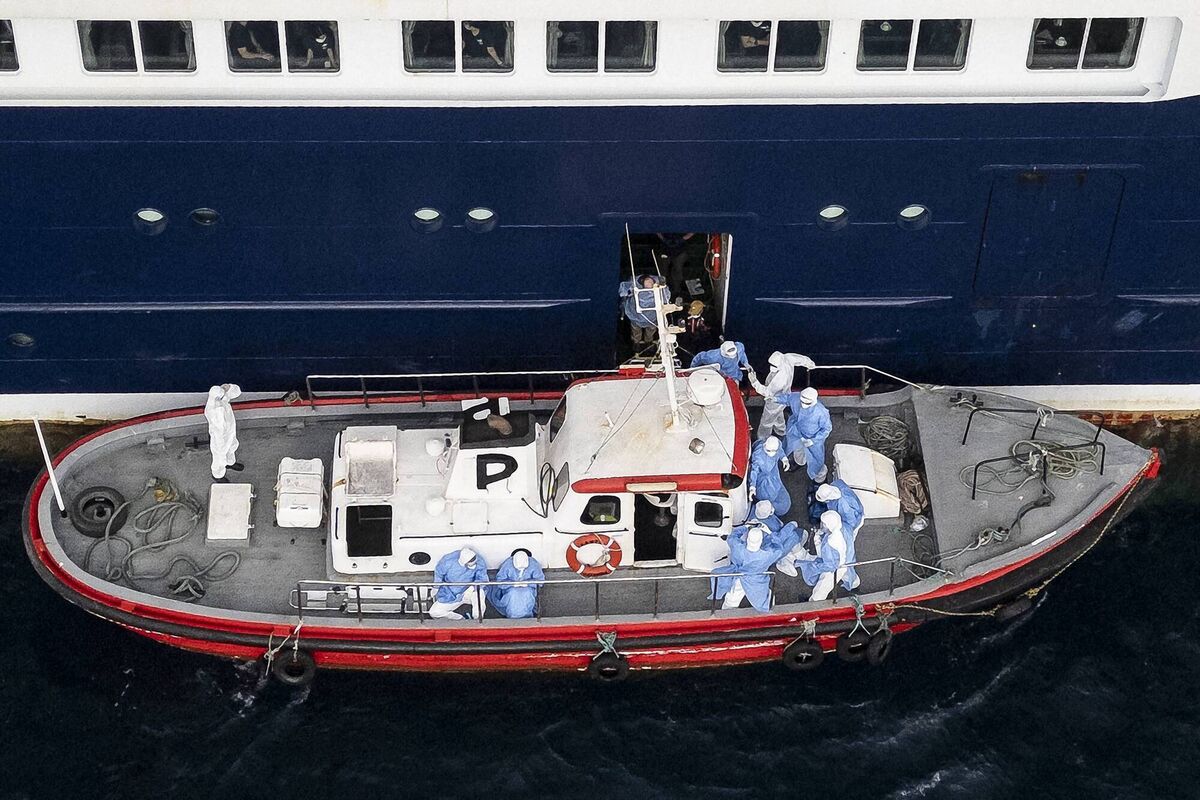
WHO officials said public health measures and international co-operation should help prevent wider transmission of the virus, which has so far been linked to eight cases aboard the Dutch-flagged vessel.
Dr Tedros Adhanom Ghebreyesus, director-general of the WHO, said the UK first alerted the organisation to the outbreak last Saturday under International Health Regulations.
“Last Saturday, the United Kingdom notified WHO, under the International Health Regulations, of a cluster of passengers with severe respiratory illness on a Dutch-flagged cruise ship the MV Hondius, which had travelled from Argentina to Cape Verde,” he said.
Read More
“So far, eight cases have been reported, including three deaths.
“Five of the eight cases have been confirmed as hantavirus, and the other three are suspected.”
Dr Tedros warned that additional cases could still emerge because of the virus’s incubation period.
“Given the incubation period of the Andes Virus, which can be up to six weeks, it’s possible that more cases may be reported,” he said.
“While this is a serious incident, WHO assesses the public health risk low.”
Dr Abdirahman Mahamud, director at the alert and response co-ordination department of the WHO Emergencies Health Programme, said authorities do not anticipate widespread transmission.
“If we follow public health measures, and the lessons we learned from Argentina are shared across all countries… we can break this chain of transmission and this doesn’t need to be a large epidemic,” he said.
Dr Mahamud pointed to a similar outbreak in Argentina in 2018 and 2019, which resulted in 34 cases.
“We don’t anticipate a large epidemic. With experience our member states have, and the actions they have taken, we believe that this will not lead to subsequent chain of transmission,” he added.
The WHO also reiterated that the overall threat to the public remains low.
Dr Maria Van Kerkhove, director of the department of epidemic and pandemic threat management at the WHO, said: “The risk to the general public is low.
“Hantaviruses are relatively uncommon, even though there may be thousands of cases estimated each year.”
She said the WHO is working with governments whose citizens are on board the MV Hondius to organise safe onward travel once passengers are medically assessed.
“We are working with all of the countries who have nationalities that are on board to discuss the plans for the safe journey of those patients home,” she said.
“It needs to be very carefully done, but we are working with the countries about that onward passage home.” Dr Van Kerkhove added that discussions are also under way regarding the ship’s multinational crew.
“We also have crew from many different countries, and everyone involved, all of the governments, the ship’s operators, want to make sure that they get home safely, not only minimising their own risk, but any risk to others,” she said.

CONNECT WITH US TODAY



Be the first to know the latest news and updates