Understanding why we fall when we get older and how to mitigate the risks
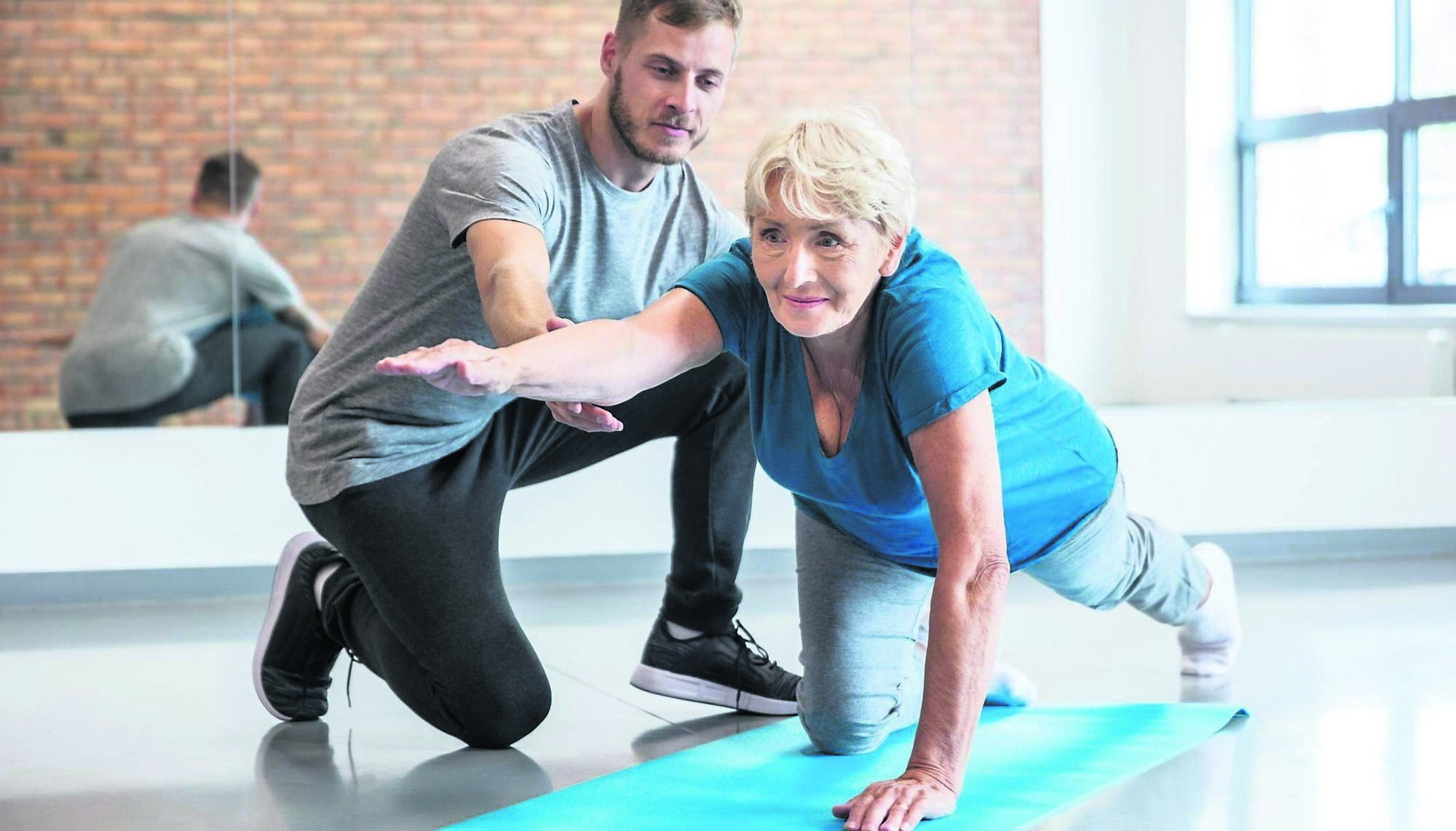
Falls are the most common cause of fractures among older adults, and often lead to reduced mobility, loss of independence, and hospital admission
Age brings many health concerns, but the fear of falling almost certainly increases with each passing year. Already the most common reason for older adults to be admitted to the hospital, falls are on the rise. Ireland has one of the fastest ageing populations in Europe, and recent statistics from the Irish Longitudinal Study on Ageing (TILDA), published in the journal BMJ Open, revealed how falls are taking their toll on society, with one in eight older people in Ireland requiring medical attention for a fall each year.
As the most common cause of fractures among older adults, falls are a leading contributor to reduced mobility, loss of independence, and hospital admission — and the reality is that without intervention, those who fall once are at significantly increased risk of doing so again.
Dr Ruth McCullagh, a senior lecturer and a physiotherapist based in the School of Clinical Studies at University College Cork, says the impact can be devastating.

“In Ireland, there are an average of 27,000 calls from older people who have fallen each year,” she says. “Of those, about 80% end up going to hospital.”
Fractures or head injuries are common after a fall.
“Soft tissue and skin injuries are also a risk the longer people are lying on the floor unattended,” she says, adding that gaps in medical specialists to deal with falls are not helping the long-term prognosis.
All of this is why McCullagh is spearheading the rollout of the FaME (Falls Management Exercise) programme in Ireland. This 26-week course aims to reduce falls and their impact on health by teaching participants how to get up from the floor independently and by teaching postural stability techniques to prevent falls.
“Qualified practitioners combine strength and balance training with safe floor-rise practice, using soft mats, in a safe environment,” she says. “Not all exercises include balance, which people sometimes assume is the only important factor in fall prevention, as you do need a combination of strength exercises using a resistance band and functional balance work for the outcome to be effective.”
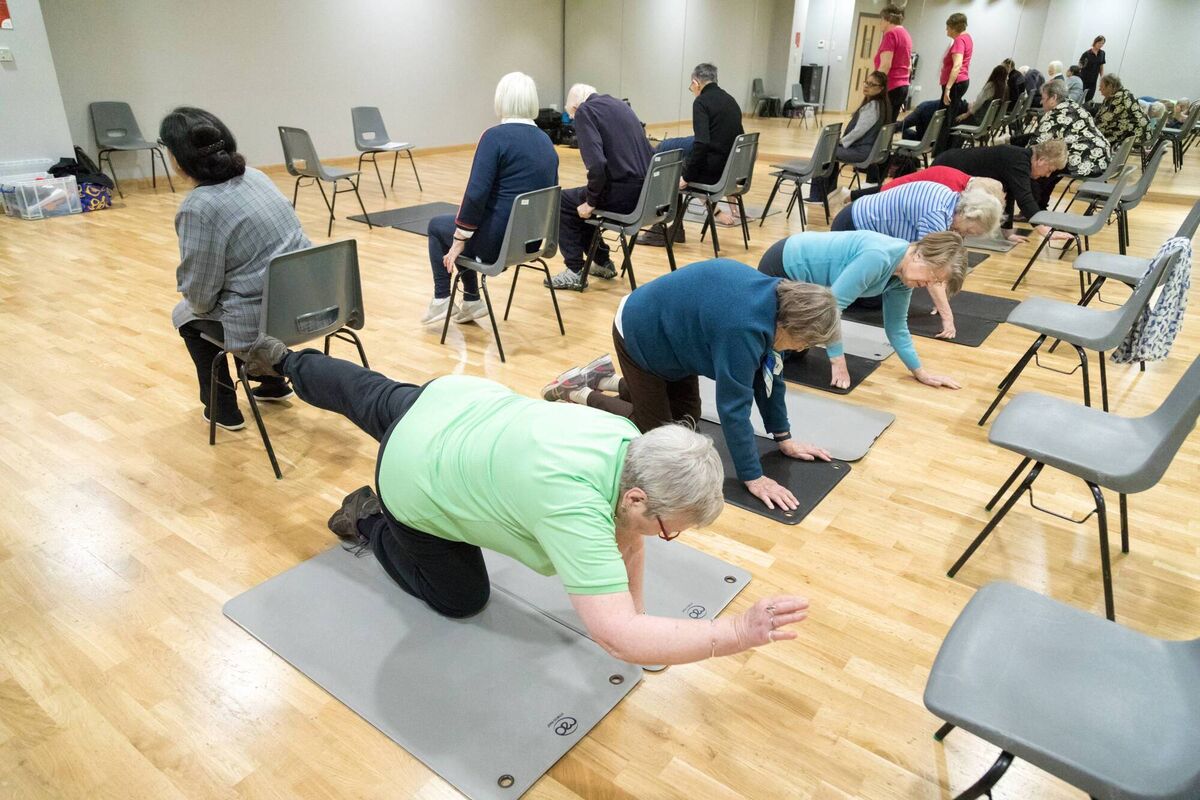
Currently, the FaME programme, originally the brainchild of Dawn Skelton, a professor of physiotherapy at Glasgow Caledonian University, is available in pockets of Cork, Kerry, Mayo, Sligo, Galway, and Dublin. “We are trying to scale this up so that it will be available in more areas,” McCullagh says.
According to the TILDA findings, over half of older adults attending emergency departments after a fall were prescribed medications known to increase falls risk, including drugs affecting balance, alertness, or blood pressure and more than one in five did not have access to a specialist falls assessment clinic.
Here’s what we need to know about falling as we age:
Good balance is one aspect of falls prevention training. Standing on one leg as you move around to reach for things or crouch down is a good starting point.
“It needs to be functional balance work,” McCullagh says. “So, when on one leg, you should extend an arm or leg, bend down or crouch on the supporting leg.”
A 12-year study examining the relationship between balance and mortality in a group of 1,702 people aged between 51 and 75 concluded that an inability to stand unsupported on one leg for 10 seconds was associated with an 84% raised risk of death from any cause.
She suggests speaking to your GP, who can recommend a relevant local exercise class or physiotherapist.
Our balance ebbs and flows and is influenced not just by muscle strength and coordination but by hormones, how tired and stressed you are in any given moment, by what workout you did that morning, even by what you are wearing on your feet.
Studies by scientists at Manchester Metropolitan University have shown that even the fastest and fittest masters athletes need to work on balance and strength to prevent falls. “It is the consequences of falls that are more severe as we age,” McCullagh says. “In our 20s and 30s, we bounce back up, but we don’t in our 60s and 70s.”
Then turn around so you are aligned with the furniture and bend your strong knee with your stronger foot on the floor. “Try to tuck the foot of your weaker leg underneath the body so that you stand up on the pads of your foot.” Place both hands on the floor and push up to get yourself off the ground.
If you are on your own and can’t get up, try banging for help with your fist or a stick on a hard surface. “The noise can help to draw attention,” McCullagh says.
Rather than hoiking or lifting someone up, try to guide them off the floor. “If you try to lift them, you could end up injuring yourself as their bodyweight will be heavy,” McCullagh says.
Read More

CONNECT WITH US TODAY



Be the first to know the latest news and updates