Workplace Wellbeing: Stepping away on sabbatical to come back stronger

The term sabbatical comes from the Old Testament and refers to the practice of allowing fields to lie fallow every seven years.
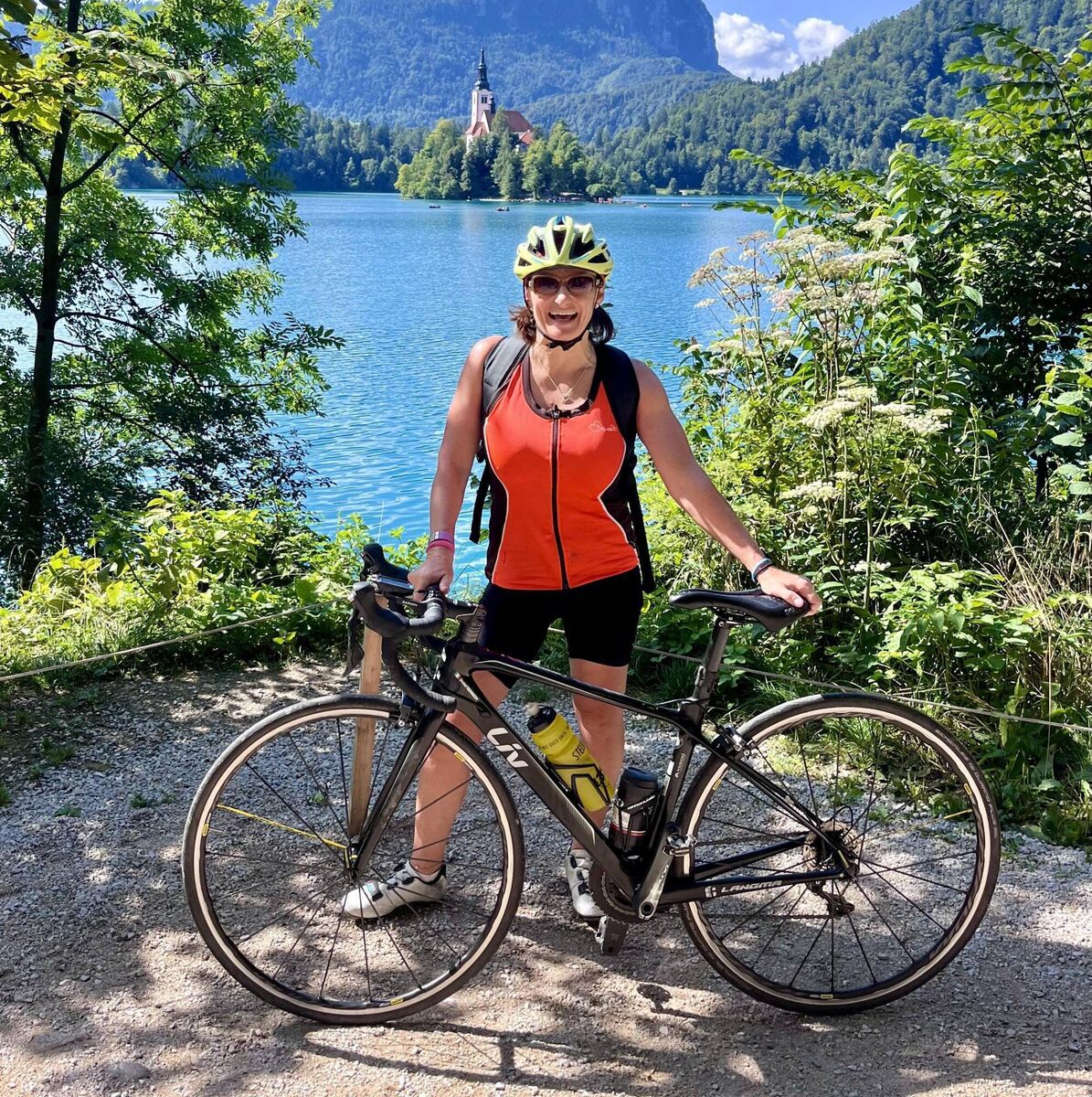

Tony Dundon, professor of human resource management and employment relations at UL, has taken three sabbaticals over the course of his career.
He speculates that their growing popularity in the private sector could be a response to the pandemic combined with a tight labour market.
“Living through lockdowns led many to realign their priorities,” he says.
“People now want more meaning in life and work and are demanding more from their employers. Employers are responding to those demands. They know there’s a labour shortage, particularly of skilled workers, and if they want to be seen as attractive employers, they are going to have to include employee-centred benefits like the prospect of sabbaticals in their job packages.”
Many of us could benefit from a break during our careers to restore our energy levels and regain our sense of what matters. Buckley compares sabbaticals with the practice of taking a year out after college.
“That year out has become ubiquitous for most Irish graduates, so the concept of time-out from careers shouldn’t surprise employers,” he says. “It’s all part of a growing trend in which our educated workforce see their career as something they control and adapt to their needs rather than employers signposting their career journey.”
Companies typically offer sabbaticals to promote workplace wellness. “Taking a sabbatical can combat that burnout and enable you to return to work with a renewed sense of commitment, engagement and energy. That’s good for you and your organisation,” says Dundon.
Sabbaticals can also help boost staff retention. A 2016 study drew on longitudinal data from 21,670 participants across 40 years and found that as people progressed in their jobs, their satisfaction tended to decrease. But satisfaction rose when they switched jobs and started in a new organisation before it dwindled again.
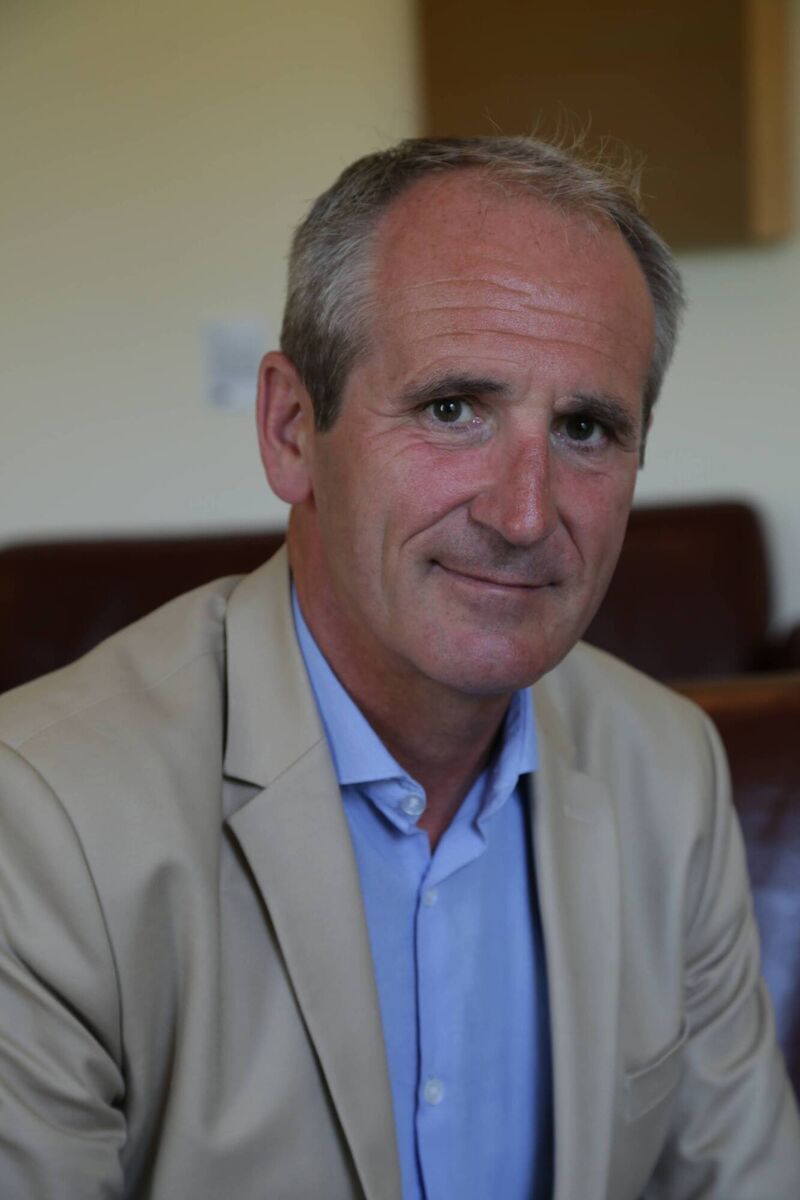
Dundon wonders if offering sabbaticals might allow employers to mimic this effect without employees changing organisations or jobs. “That could help reduce staff turnover,” he says.
“This might be why a growing number of business leaders are now considering offering sabbaticals.”
Yet a sabbatical is still only an option for the privileged few. “There are no sabbaticals for bus drivers or people working at supermarket checkouts,” says Dundon. “They are only offered to a small segment of the greater workforce.”
If you’re lucky enough to be employed in that segment or can convince your employer to give you an extended break, Dundon advises preparing for it carefully to gain its full benefits.
“A paid sabbatical is the golden ticket, but very few are offered this,” he says. “So setting out how you will manage financially is tip number one.”
Number two is setting clear goals. “Ask yourself what you want to achieve during your time out,” he says. “It might not have anything to do with your career but ideally, it should be something that is meaningful to you.”
His third tip is to set a schedule. “You may need to rest at the outset of your sabbatical, but once you’ve done that, I’d recommend following a daily routine different from your daily work routine. Having a structure of sorts will help you progress towards achieving your goals.”
Kennedy usually takes sabbaticals in Southeast Asia or South America, having set aside money throughout the year to cover her costs.
“It’s not just the vitamin D I soak up on my sabbaticals,” she says.
“I find that spending time with my thoughts in a different part of the world helps me clear my head. I’m constantly writing in my journal, making voice notes on my phone and coming back with lots of ideas and a renewed sense of excitement for my life and my business. I’d recommend a sabbatical to anyone.”
Read More

CONNECT WITH US TODAY



Be the first to know the latest news and updates