Want to retire early? Here's how to prepare and find purpose in your retirement
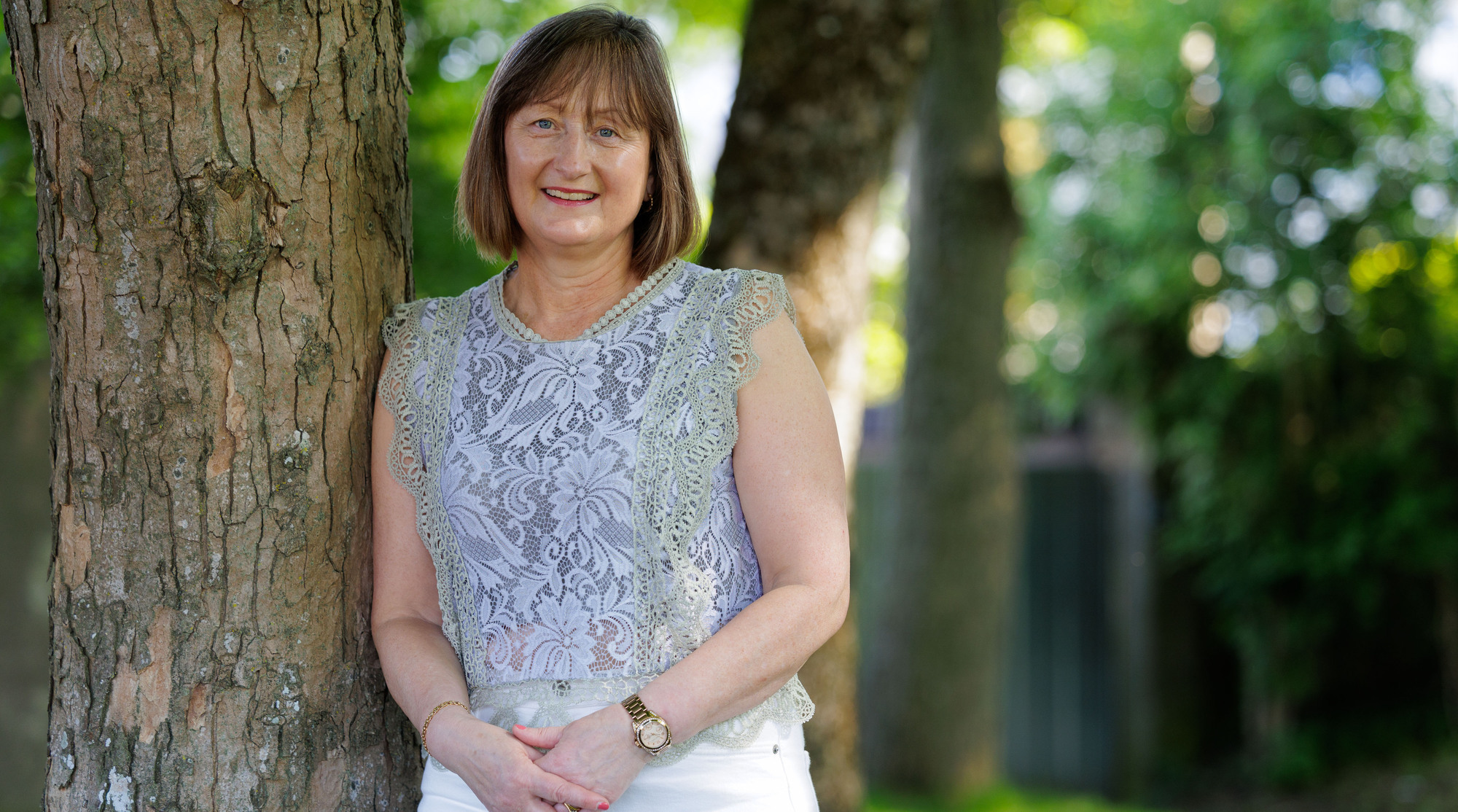
Statia O’Carroll took redundancy in her mid-50s, but now, after launching a career advisory company, she no longer plans to retire.
Statia O’Carroll always planned to retire at 60. But having recently reached that milestone, the former HR professional from Kilkenny now says she “no longer has a career end date in sight”.
“I was in my mid-50s when I took a redundancy package from my HR job in 2021 and realised then that I wasn’t ready for retirement,” she says. “I loved the social interaction of work and knew I still wanted to use my skills. One day, after helping a friend’s son prepare for an upcoming job interview, I was buzzing and thought to myself: ‘I should do more of this.’ So I launched ocarrollcareers.com, and who I am and what I do now is nothing like the retired 60-year-old I had imagined.”
According to a 2022 report by Retirement Life, approximately 1,000 people retire in Ireland every week. Many welcome this end to their working lives. But there are others, like O’Carroll, who don’t enjoy the change of pace and struggle to find purpose in a life devoid of deadlines and weekly targets.
The CEO of the Retirement Planning Council of Ireland, Laura Farrell, says many people, especially high achievers, find retirement challenging.
“Work can provide more than just income,” she says. “It gives structure, identity, social contact, status, routine and a sense of being needed and having real purpose. When it stops, it can leave a significant gap, particularly for people who have been committed to their careers.”
Dr Dean McDonnell, a lecturer in psychology at South East Technological University and a member of the Psychological Society of Ireland, points to the major psychological shift retirement presents.
“It’s one of the last big transitions in life and in many ways can be seen as a second adolescence. In retirement, we often ask ourselves the same question we asked in adolescence: Who am I?”
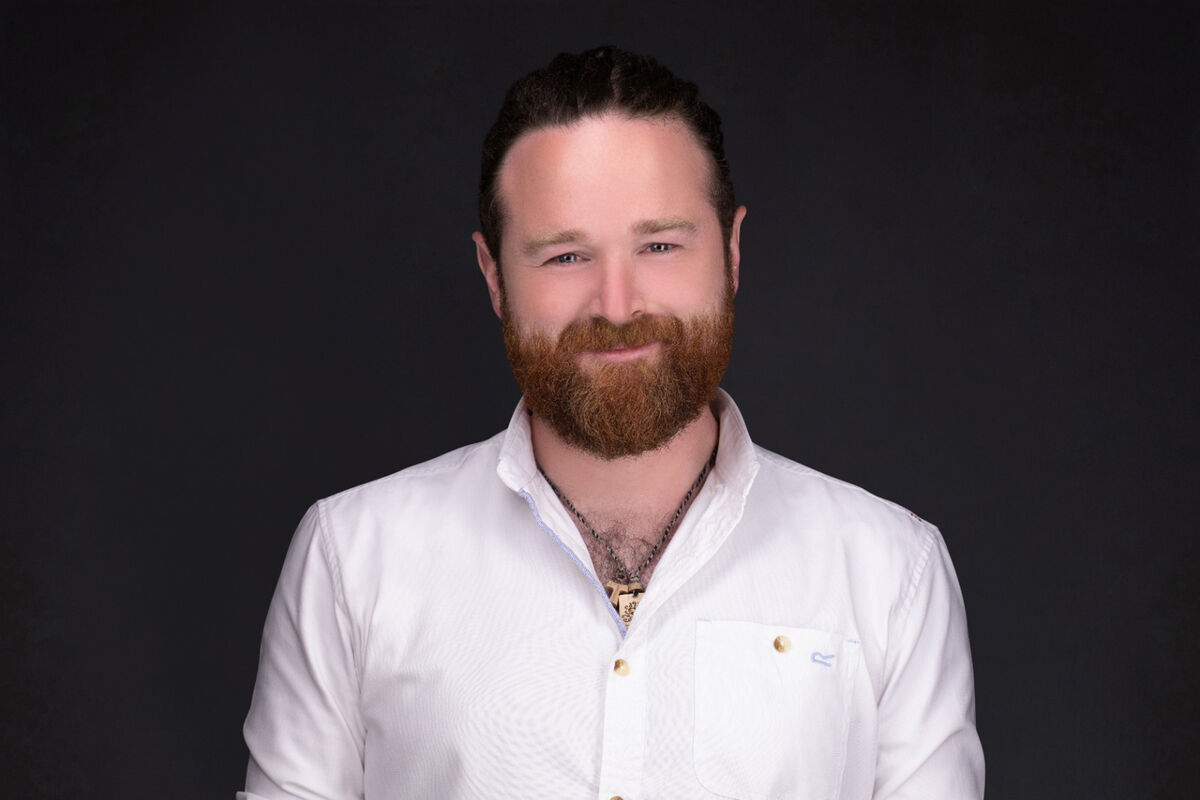
Because we spend so much time at work, our careers can become what McDonnell calls “an indicator of our identity”, adding that what we do becomes interwoven with who we are. “And the more invested we are in our work, the more we can conflate our professional achievements and productivity with our self-worth.”
Some can experience retirement as a loss. “We lose the structure that work provided and may not know what to do with our free time,” says McDonnell. “We’re no longer interacting with colleagues, customers or clients, so we lose those social connections and may experience loneliness and isolation as a result. We may also question our sense of purpose. This combination creates ample grounds for anxiety or depression to take hold.”
Research shows the detrimental impact that retirement can have, especially for people who aren’t ready to step away from their working lives. A 2016 study based on data from the Irish Longitudinal Study on Ageing (TILDA) found that individuals who retired when they didn’t want to were more likely than others to develop symptoms of depression.
McDonnell recommends proactive planning for those who worry about the end of their working lives.
“I’m not just talking about pension planning, but about psychological planning,” he says.
“Take some time to think about the following questions: What gives you meaning outside of work? What relationships do you want to invest in? What interests have you neglected? And what kind of life rhythm suits you? The answers to these questions will give you a clearer idea of how you’d like to use the time and freedom retirement can offer.”
Farrell adds a top tip: “Ask yourself what you were passionate about before ‘life’ got too busy for you to do it anymore or what you have always wanted to do but never had the time or headspace to explore.”
And don’t think that you have to have it all figured out in advance. “The happiest retirees tend to be those who give themselves permission to explore and adapt in creating this new chapter,” says Farrell. “So have a go. And don’t wait until the first Monday after work ends to start experimenting. Start before retirement.”
This experimentation might involve taking up a new hobby or learning new skills, both of which Farrell recommends. “Taking a class or learning a new sport, language or musical instrument can be rewarding and valuable in terms of giving you stimulation and a sense of progress,” she says.
McDonnell points out that practising new hobbies and learning new skills also help maintain neuroplasticity and mental sharpness.
He says: “The workplace offers ongoing opportunities for learning, with changes in technology and having to adapt to new systems and challenges. We no longer have those opportunities in retirement but our brain still needs them in order to continue developing. So we should seek them out.”

“So I tell people not to think only in terms of activities or hobbies but in terms of belonging to clubs, classes, choirs and community organisations,” says Farrell.
The events and activities organised by these groups can also provide structure to our days. McDonnell says, “Our brain likes knowing what it can expect to happen next. Having a routine helps the brain organise and process information, and if we don’t have a routine, our brain can feel uncertain and anxious about what to do with so much freedom.”
Farrell has found that high achievers often enjoy becoming coaches or mentors.
“This allows them to carry their experience and expertise forward in a meaningful way,” she says. “They get to remain useful, connected and purposeful while letting go of the responsibility and pressure of work.”
Volunteering is another way to use professional skills in a new context and can provide a sense of purpose in life. “That’s as long as it’s chosen carefully to fit with your values and interests, rather than simply filling time,” says Farrell.
She reminds current and prospective retirees that retirement “should be about finding a new rhythm of life that works for you. It can include regular exercise, social contact, family time, volunteering and personal projects. But don’t forget to make time for rest. You no longer have to be the ‘optimally on’ version of you that you were at work. Retirement is a time of life when you are allowed to rest.”
O’Carroll has begun to establish a new rhythm of her own as she approaches the age at which people traditionally retire.
“For decades, I fitted my life around my work, but now, it’s the other way around,” she says. “My week is a mix of work and living. I help clients prepare for job interviews and make informed career decisions, while also making time for my Fit4Life running sessions, weekly park runs, yoga, Network Ireland Kilkenny, travel, and time with family and friends.
“This combination keeps my mind active, provides income and gives me a strong sense of purpose. At this stage of life, I have choices, and my choice is to design a life that challenges me and keeps me connected.”


CONNECT WITH US TODAY



Be the first to know the latest news and updates