ieExplains: Why sunbeds are under scrutiny — and could face a total ban
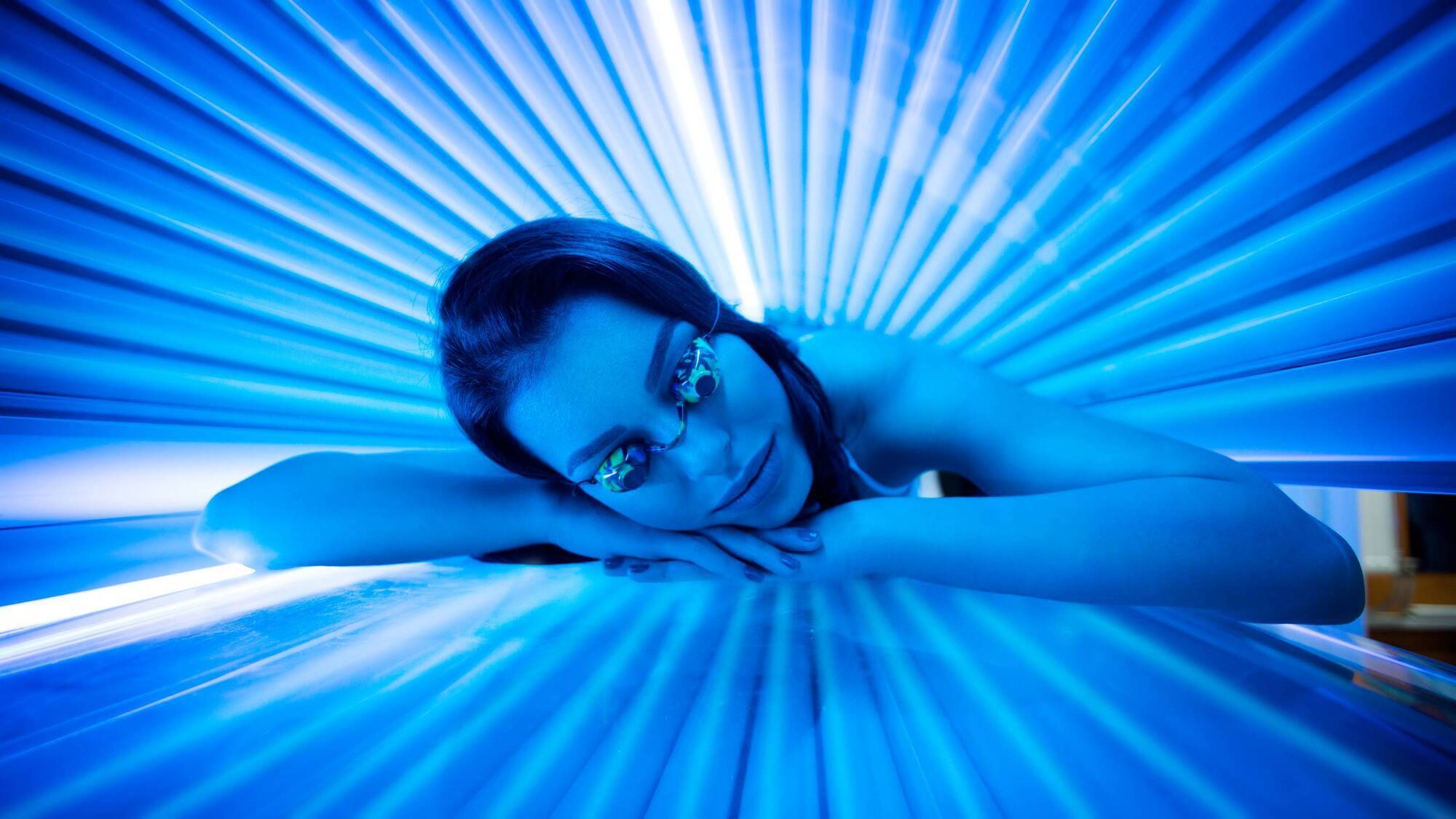
Sunbeds are already banned for under-18s in Ireland. Now the Government is considering a ban on their commercial use for adults too. But medics and cancer charities are calling for a total ban including in private homes. Picture: iStock
The Government is considering a ban on commercial sunbeds in tanning salons because of links between their use and cancer.
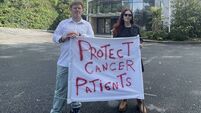
However, on Wednesday, a group of 12 doctors’ organisations and cancer charities called for it to go further and fully ban sunbeds, including their use in private homes.
Children under 18 are already banned from using commercial sunbeds. The European Commission has warned that even occasional use increases the risk of skin cancer, particularly when used before the age of 30.
The Sunbed Association has opposed a ban, questioning the data and criticising what it says is a lack of mandatory training in the sector.
It said in 2017: “Sunbed use is responsible for an increasing number of skin cancers.
“Artificial tanning induces DNA damage in skin cells, similar to that induced by exposure to solar UVR (ultraviolent rays).”
It described the sector as "largely unregulated", noting training is not mandatory in many countries.
Read More
The WHO's International Agency for Research on Cancer has published a list of items based on the strength of evidence linking them to cancer.
Sunbeds and all UV-emitting tanning devices are placed in Category 1 — the highest-risk category — without caveats around frequency or duration of use.
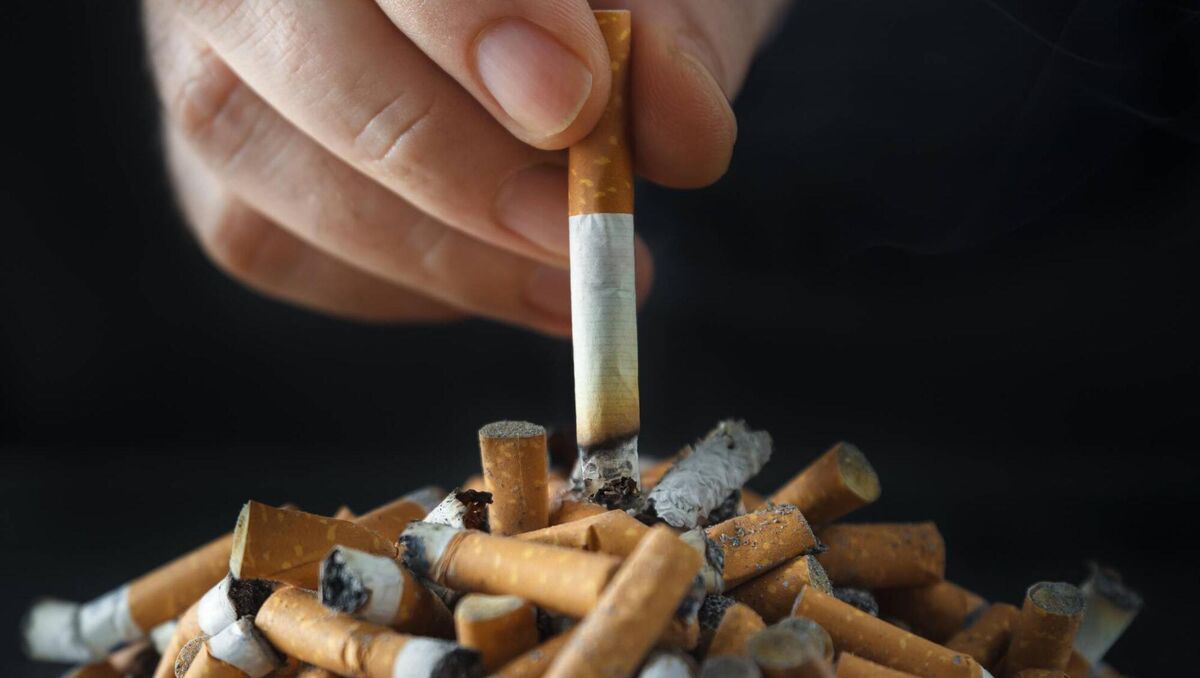
This sections covers 135 substances and exposures, including tobacco, alcohol, and opium use, as well as less obvious examples such as hormone replacement therapy (HRT), a comparison highlighted by the Sunbed Association on Wednesday.
The WHO reference to this is complex as it also notes “evidence suggesting lack of carcinogenicity” for a range of cancers.
The HSE advises: “HRT can slightly increase the risk of breast cancer. If you've had breast cancer you'll usually be advised not to take HRT. The increased risk is low.”
The European Commission’s scientific committee says: “There is strong evidence that UV radiation from sunbeds causes several skin cancers, skin melanoma, squamous cell carcinoma, and basal cell carcinoma, and may also cause ocular melanoma.”
It advised against using sunbeds to get a base tan in 2016.
“There is no safe limit for exposure to UV radiation from sunbeds,” it said.
The Sunbed Association argues: "Well-run, compliant salons pose no proven health risk when sunbeds are used responsibly and under controlled exposure conditions.”
Its chair Gary Lipman on Wednesday highlighted a University of Edinburgh study which looked at sun exposure and use of sunbeds in the UK.
It suggested sunbed use led to a lower risk of death from cancer and heart disease.
However, it also says it has a short follow-up time, “reducing the number of deaths and therefore the power of the study”.
Meanwhile, as the sun shines the HSE reminded people of the 'Sunsmart 5S' rule:
In Cork, a project offering free suncscreen will be expanded this summer beyond the four parks involved last year, according to Labour city councillor Peter Horgan.
The initiative is a partnership between Cork City Council, HSE South West, and the National Cancer Control Programme.
- Niamh Griffin, Health Correspondent


CONNECT WITH US TODAY



Be the first to know the latest news and updates