Author Lally has 'earned more from cleaning than writing’
Witty and observant memoir illustrates challenges of balancing a writing career with a job and family life
Author Lally has 'earned more from cleaning than writing’

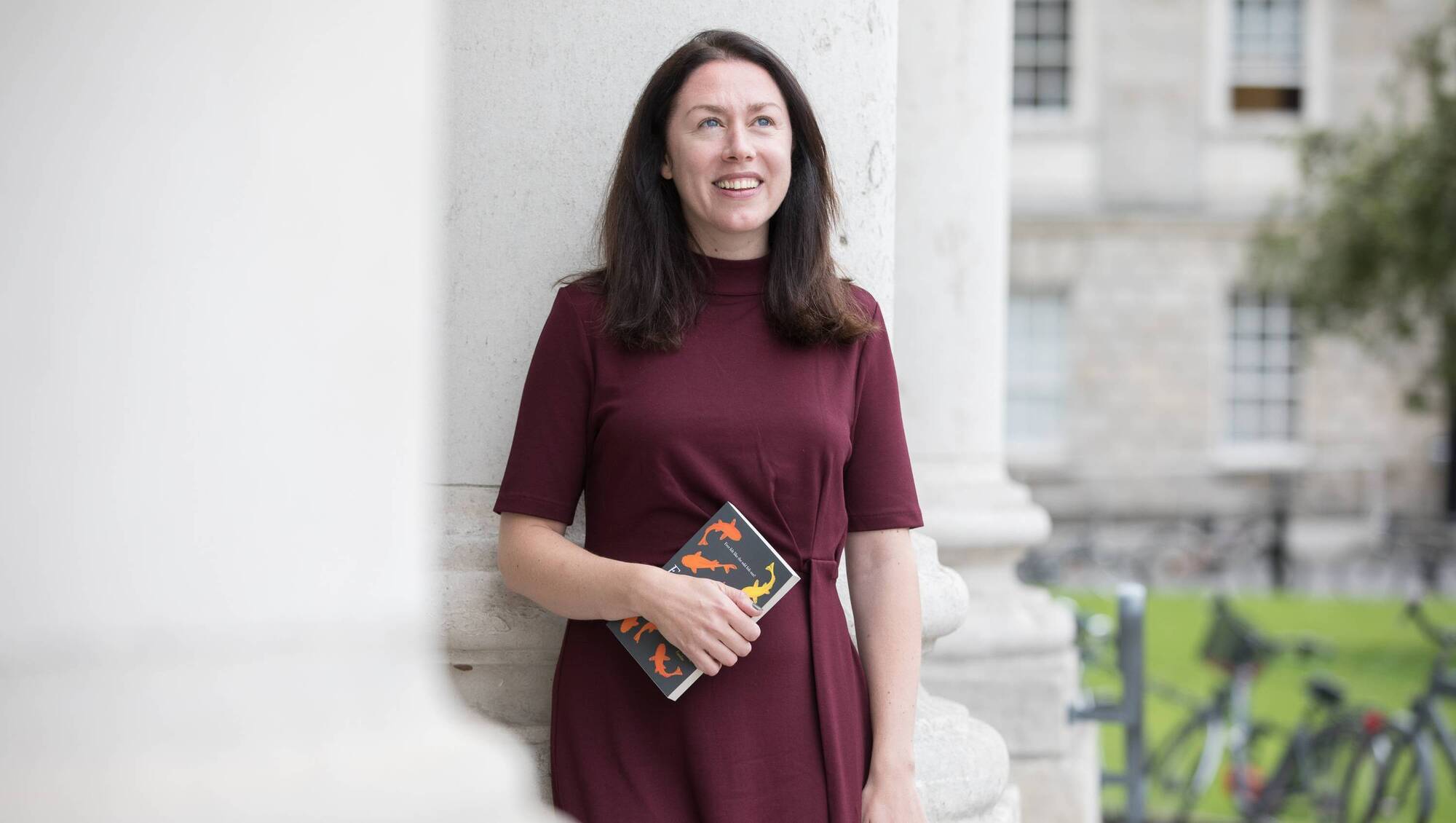
Caitríona Lally: Calls herself 'downwardly mobile'. Picture: Paul Sharp/SHARPPIX

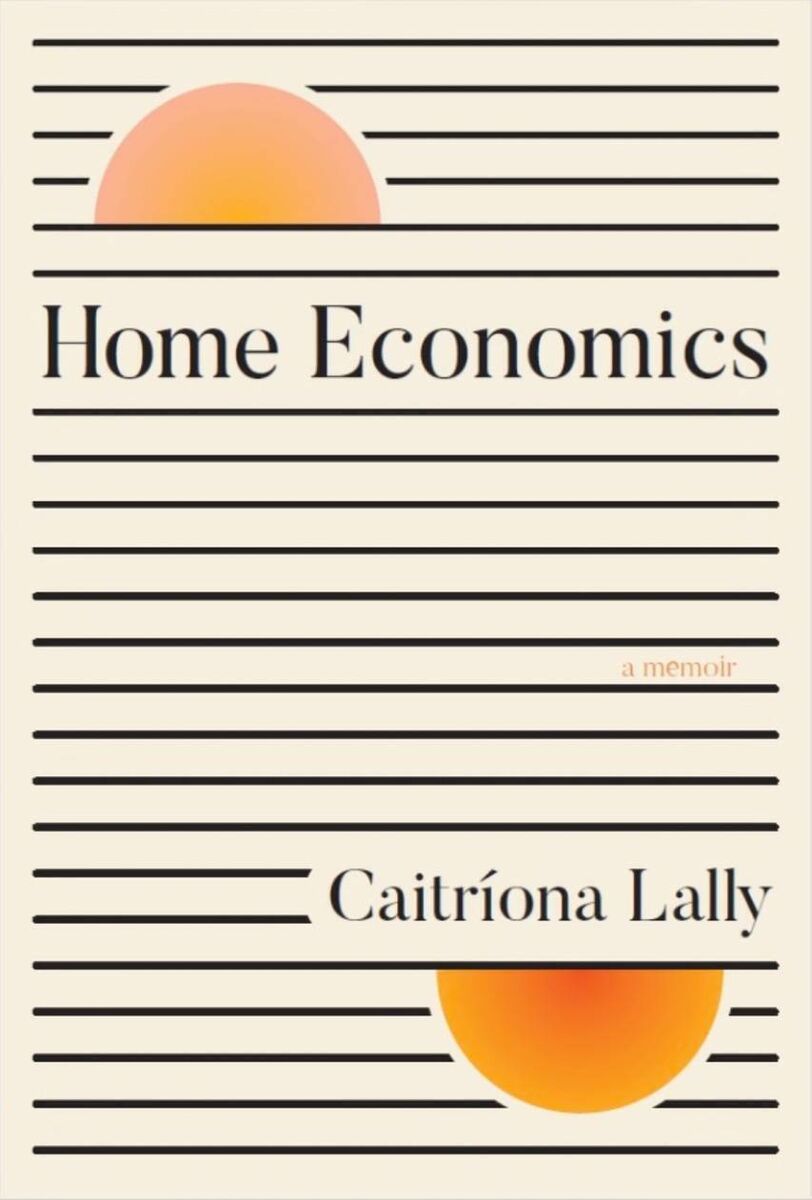
    • Home Economics
    • Caitríona Lally
    • New Island €16.95

    Caitríona Lally’s witty, observant memoir looks at her life as both novelist and cleaner.

    Lally, author of the novels Eggshells (2017) and Wunderland (2021), works as a cleaner in Trinity College Dublin, starting her shift in the early hours and concluding by 9.30am. She writes that “since I’ve had my first book published, I’ve earned more from cleaning than from writing”, or, elsewhere, that “35 hours of cleaning work paid more than three years of writing”.

    Her work has not been unrewarded. She is the recipient of the Rooney Prize for Literature and of the prestigious Lannan Fellowship.

    Her book, while far from a warning against pursuing a writing career, is an acknowledgement that the struggle continues regardless of reward, which can be meagre; what matters most, in writing at least, is the achievement that happens at the writer’s desk.

    Lally’s observations about cleaning at the university yield the book’s most interesting insights. (At the presentation of the Rooney Prize, Lally already knows what’s going to be in the Provost’s speech. She was told by his cleaner.) 

    She takes comfort in routine work, and the earliness of the hour often brings its own beauty: she writes that “one of my favourite things in the job is being alone in gorgeous old rooms at sunrise”. 

    There’s plenty of disgusting detail. Of men’s sanitary habits: “the soap dispensers in the gents’ loos rarely run low”.

    During lockdowns she cleans empty buildings in which carpet moths thrive; a desk diary is left open on a date in March 2020 for months. Lally’s eye catches everything, especially how cleaning staff are treated.

    Staff and students push past them, ignore them; bins are puked in or pissed in by drunken students. Lally is falsely accused of stealing a coffee machine, which she discovers has been moved elsewhere in the building:

    It made me see how vulnerable the low-waged are, how quickly the cleaner gets scapegoated.

    Lally grew up in a middle-class family but calls herself ‘downwardly mobile’ — made redundant from an abstract-writing company in 2011, she spent a year on the dole and eventually found her way back to the cleaning job she had held while a student at Trinity.

    This gives her a particular angle on class; she’s a double agent. 

    Many of her colleagues are working class, but her family life brings her into contact with the middle class. One can sense her gritting her teeth when they complain about the people they employ to clean their houses.

    When Lally becomes pregnant with her first child, the book’s focus shifts significantly. After a difficult birth, her daughter requires medical care and surgery. She gives birth to another child, a son, while working on her second novel.

    Lally can be a very funny writer. She conjures a memorably comic scene of going into labour with her first child while workmen are installing a new kitchen in her house: “Which side of the fridge do you want the handle. I don’t care, I say, sweating [...] If you want an undemanding customer, choose a distracted, slightly demented woman in labour.”

    Although she documents the joys of motherhood, she regards it wryly. A friend decided against having children when they glimpsed her wrangling two kids and a load of shopping up the street.

    Home Economics is structured around the writing of her second novel, and, by the end, she has published it. Was it worth it? 

    Wunderland was nominated for no prizes, sold few copies, was translated into no other languages,” she writes.

    But this memoir gives a fuller picture of how one might judge success.

    x

    BOOKS & MORE

    Check out our Books Hub where you will find the latest news, reviews, features, opinions and analysis on all things books from the Irish Examiner's team of specialist writers, columnists and contributors.
    More in this section

    Scene & Heard

    Newsletter

    From music and film to books and visual art, explore the best of culture in Munster and beyond. Selected by our Arts Editor and delivered weekly.

    Cookie Policy Privacy Policy Brand Safety FAQ Help Contact Us Terms and Conditions

    © Examiner Echo Group Limited