Gael Linn: Irish language films aiming to make the most of a golden era
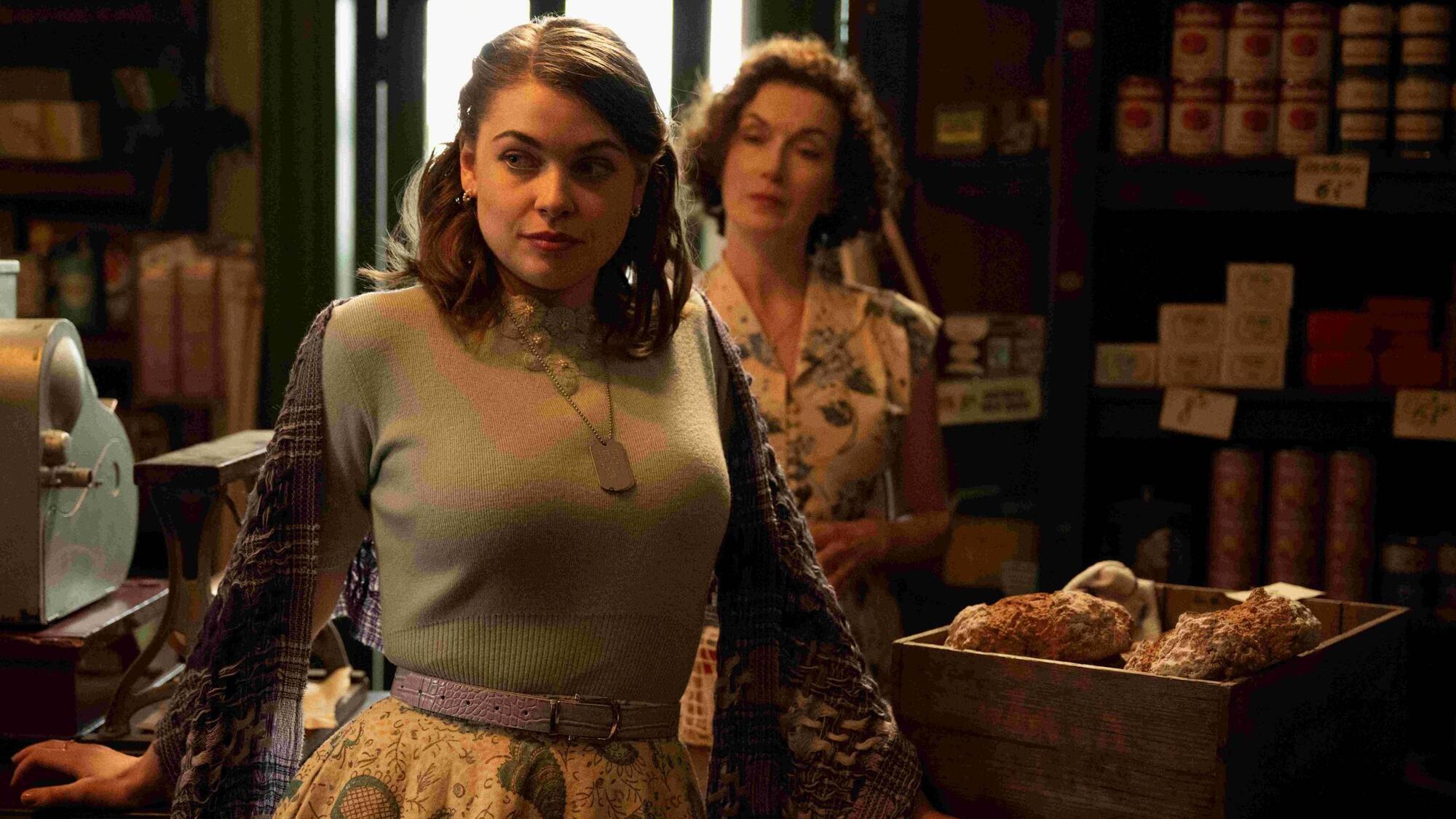
A scene from Irish language film Báite (The Drowned) has been shown at several US film festivals.
Just six years ago it was listed as a European language in danger of extinction. But now the Irish language is having a cultural revival — including on the big and small screen.
There’s a can-do attitude and sense of optimism in the air following the remarkable home and international success of movies like and
The tender and powerful tale of one girl’s transformative summer, became the first film As Gaeilge to go all the way to the Oscars, nominated in the highly competitive Best International Feature category. It was followed by the success of , the comedy-drama featuring the Belfast Irish-language stars.
There are more stories on the way as the next wave of Irish language storytelling builds. Many filmmakers and actors are even brushing up on their cúpla focal to avail of opportunities to work in the language.
Filming recently completed on a second season of a murder mystery police series starring Dónall Ó Héalaí and Cork actor Alex Murphy. has been a remarkable international success, selling to 68 territories worldwide.
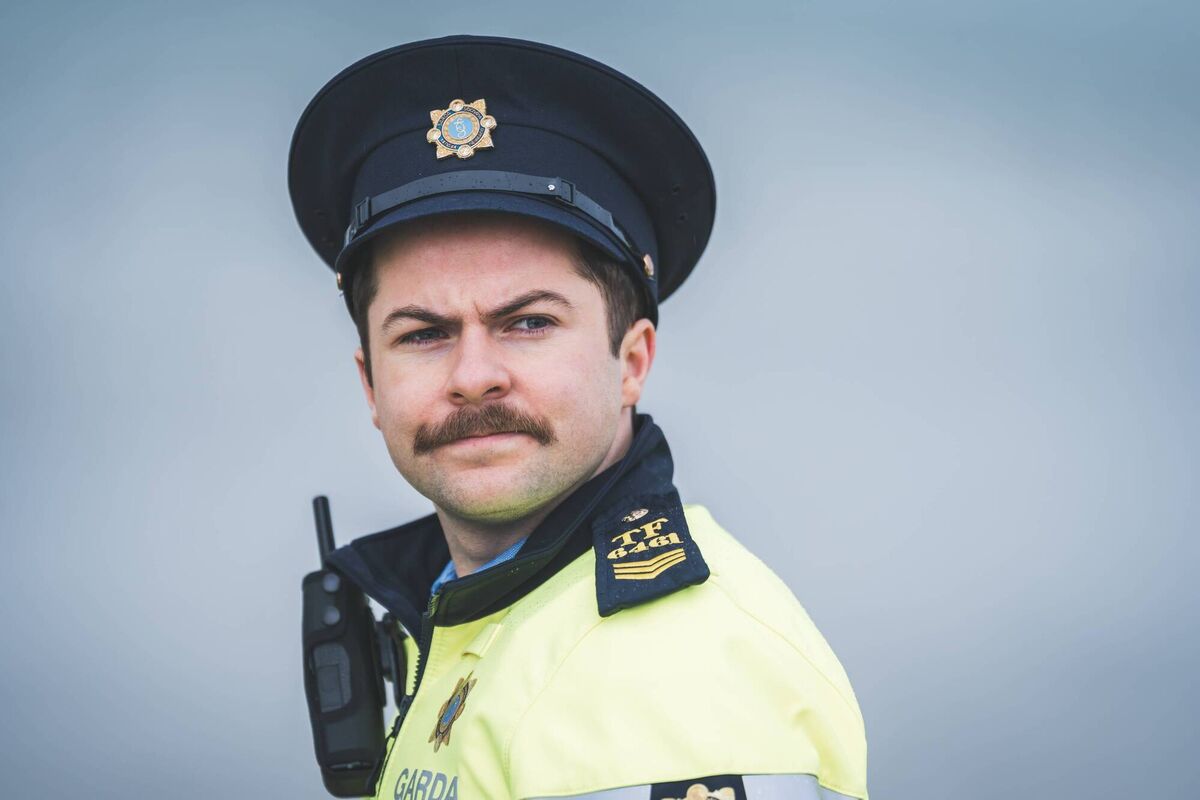
Tailored Films' project — an eight-part, live-action Irish language young adult drama — is currently in production. Following an Irish cinema release and successful US festival run, movie mystery will soon come to our TV screens.
The latest film being made under the Cine4 scheme will be announced in the coming weeks. The TG4, Fís Éireann and Coimisiún na Meán partnership develops original feature films in the Irish language. Previous films which availed of the scheme include powerful Famine-set drama and charming family drama
“I think it's been a perfect storm in the sense that there's been a huge revival in all cultural things, anything to do with the language,” says Darach Ó Tuairisg, CEO and producer at Fíbín Media. “Crá has been a breakout success for us. It’s sold to 68 countries worldwide. I'm really proud of the fact that it's in the original language in most of those countries, like the US and Australia, Canada, for instance, with subtitles in English.”
Like many, Ó Tuairisg is excited by the remarkable turnaround when it comes to cultural and social interest in the Irish language. “I’m of an age where I was so often told that it was such a dead language. We came through all that, and now to see it at a point where people are really leaning into it and see it as a unique cultural identity that they want to be attached to — it’s been completely reversed.”
Ó Tuairisg feels that the growth of streamers has played its part, as has audience interest in international storytelling. We now live in a world where a Korean film ( ) wins Best Picture at the Oscars and where shows like and become breakout audience hits.
He believes that further potential can be tapped in bringing Irish storytelling to home and international audiences. “I would personally like to see more investment in companies in the regions. As a producer, I think we need more continuity of work in the regions to sustain crews. If companies like Fíbín are producing more work, it creates more opportunity for other writers and other crew to work in the language.”
Ó Tuairisg feels that audiences are seeking out unique, interesting stories, and they don't care what language they’re in. “I think it actually elevates it now for viewers and audiences that there's something in a unique language.”
Irish screenwriter and novelist Sheena Lambert also feels that opportunity knocks for Irish-language storytellers. She adapted from her English-language novel following a proposal from producer Siobhán Ní Ghadhra.
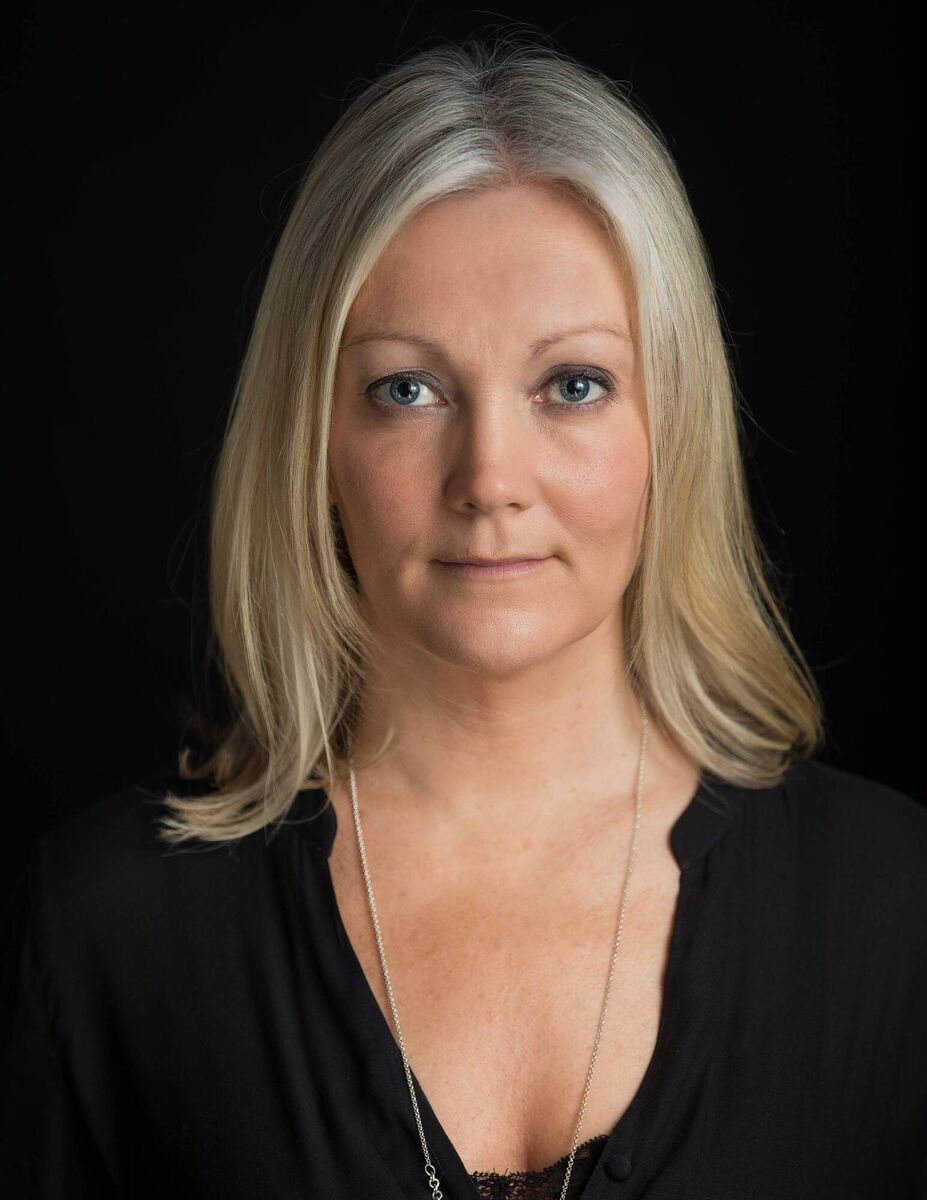
To be screened on TG4 this autumn, is set in the west of Ireland in the 1970s, where the receding waters of a lake lead to the discovery of a body.
“The story had been born in my head in English and the characters were very much Irish characters, but they were speaking English in the original iteration of the story,” says Lambert. “They very naturally could be transported to a Gaeltacht town and speaking Irish, and it wasn't an extra challenge really to have them speaking in Irish. It was such a wonderful opportunity - it was a great chance to use the Irish I have and to bring these characters to life really authentically.”
Lambert feels that a renewed interest in Irish has been building for years - she remembers there being a handful of gaelscoileanna during her school years in Dublin, which have now become very common. She feels fortunate that came to fruition through the Ciné4 scheme and says she would love to see RTÉ commissioning more Irish language scripted drama. She’s also an advocate of the streamer levy, where streamers operating in a country pay a small percent of their profits towards local screen development.
“That’s what’s happening in France and Spain and oftentimes it’s done in the local language. If that happened, it would open the door so wide for Irish language TV drama,” says Lambert.
Screen Ireland recently ringfenced €3 million for Irish language projects in its 2025 budget - which included the first Irish-language slate development fund, Smaointe, across feature film and TV. This year has seen several short film funding schemes, with partners like TG4 and the Irish Language Broadcast Fund, including Tús & Céim Eile (live action shorts). The first round of the scheme received its World Premiere at the recent Galway Film Fleadh. Other schemes include Spreag (animation shorts) and Lasair (documentary shorts).
The Fleadh also revealed more emerging talent. Filmmaker Kev L Smith’s feature, a documentary about a West Clare village believed to have been swallowed by the sea, won Best Irish Language feature.
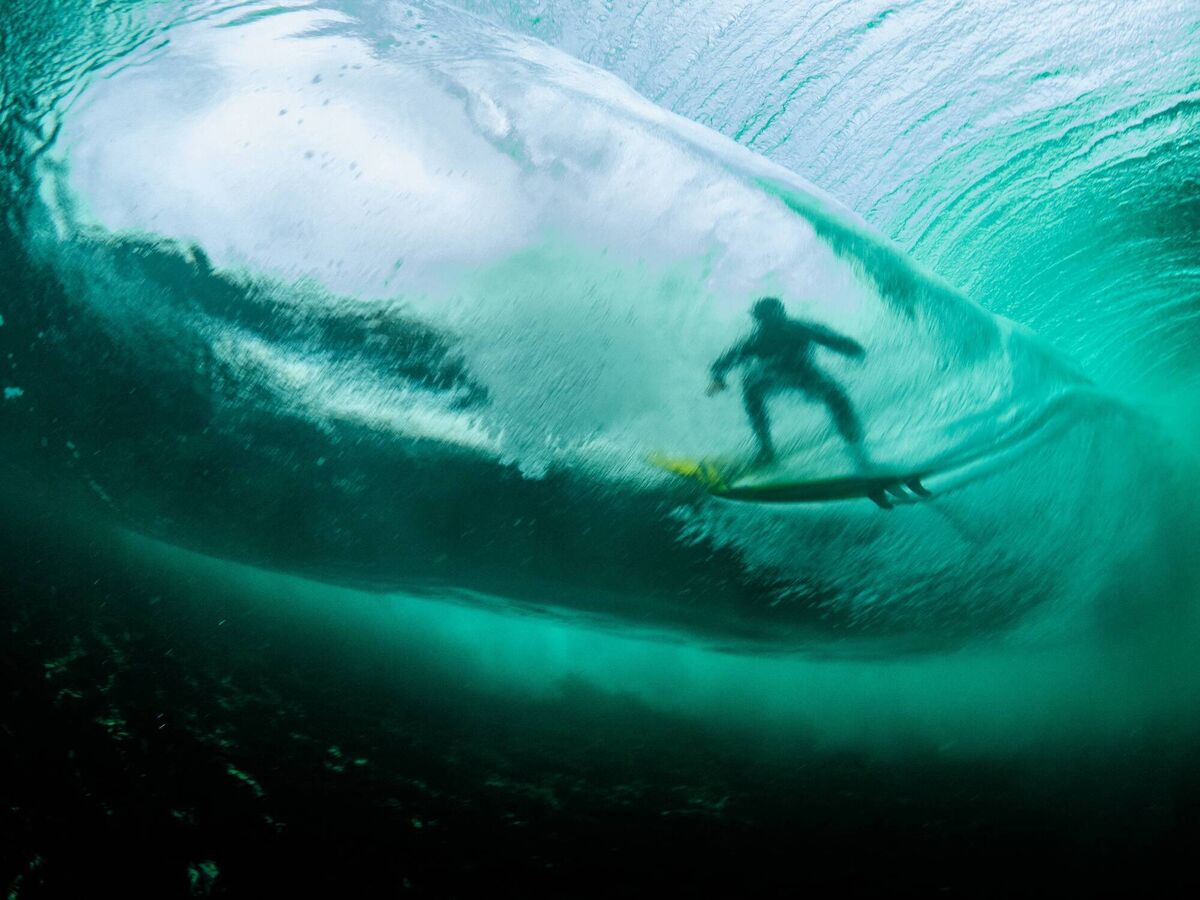
“One hundred and fifty years ago all these folklore stories would have been in Irish,” says Smith. “It was brilliant that TG4 came on board to support us. To have it told in that way felt more authentic than if we told it in English.”
Smith feels that the success of films like and and instilled a sense of optimism among both filmmakers and audiences. “The films are brilliant, and it's given audiences a bit of confidence to go and watch films in Irish. We've all gone through school. We've all got a basic understanding of the language - you’d be surprised how much you have.”
Among the Fleadh’s busy Irish shorts programme was starring Simone Kirby and set in the aftermath of a one-punch attach. It’s director Vincent Gallagher’s third Irish short. “The first film was in 2008, and we were an outlier back then in terms of Irish language cinema. Now in Galway they have their own dedicated programmes which is incredible - you really see a growing interest in it.”
Gallagher and writer Seán Keeley are currently writer a feature film named “It's about a group of teenagers who go to the Gaeltacht, but this Gaeltacht is quite strict in the fact that if you speak English, you die. It’s an idea we’ve had for a while - but it feels like now is the right time to be telling it.”