Books of 2022: Classic characters at the heart of the year’s best books
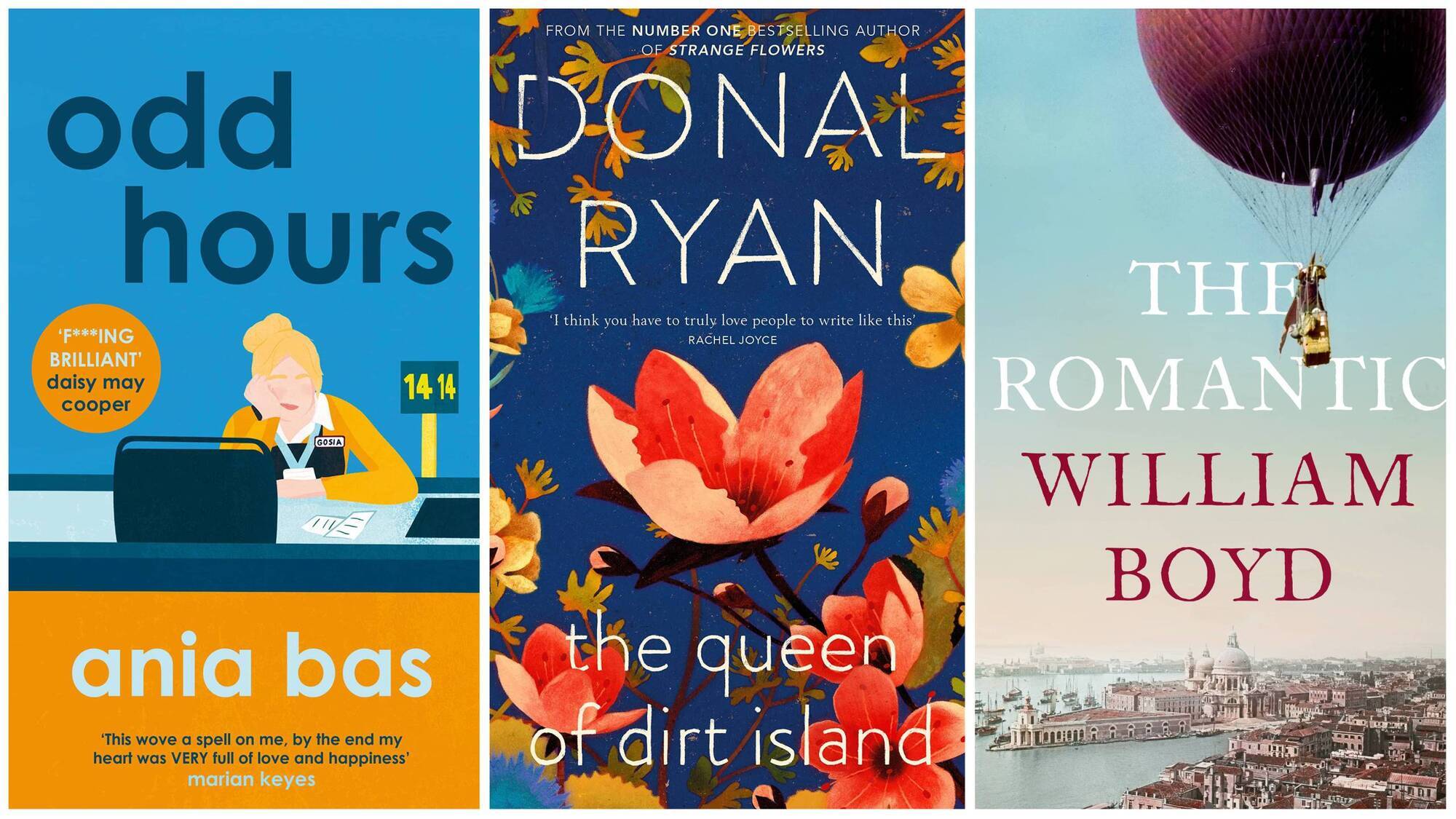
Kevin O’Sullivan's novel of the year is Ania Bas’ Odd Hours
My novel of the year by some distance has to be Ania Bas’ Odd Hours (Welbeck).
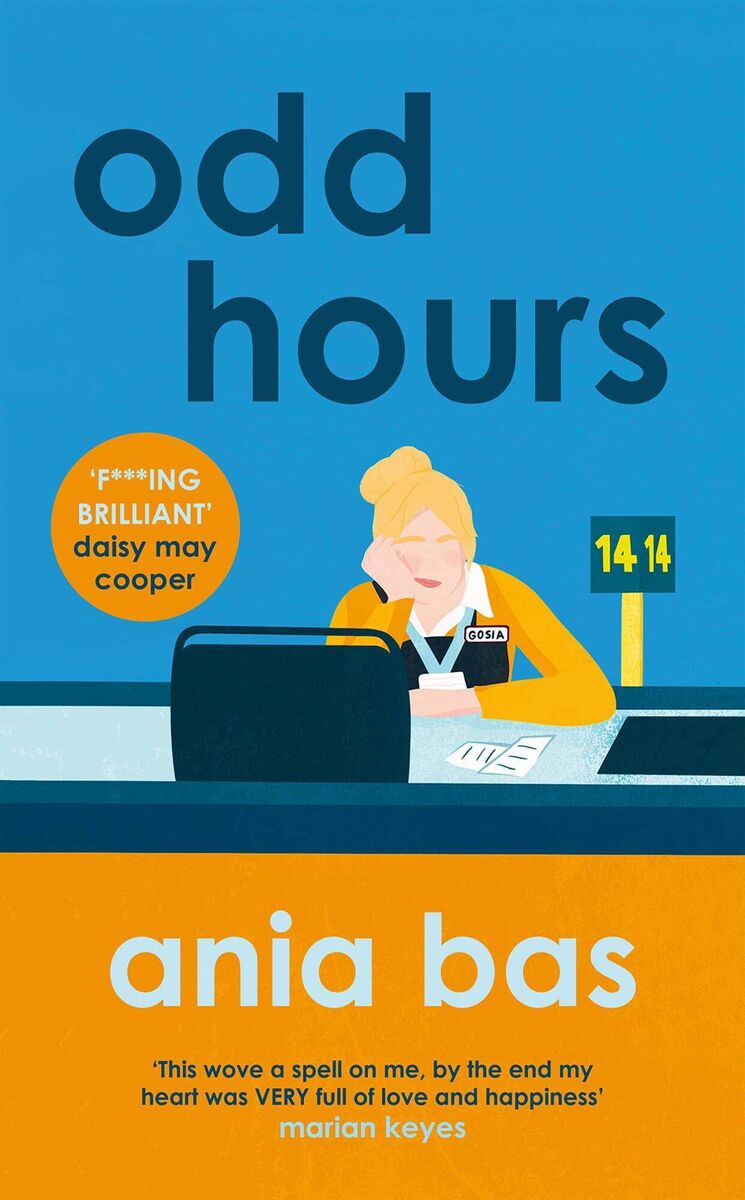
This enigmatic and idiosyncratic gem is eccentric, quirky and utterly original. The protagonist Gosia is one of the most memorable and most beautifully realised characters I can remember. She is bizarre but believable, hugely flawed but still somehow memorable and even inspiring.
Bas brilliantly traces her experiences adrift in a downbeat, forbidding London. There is little glamour to be found in the grim, daunting metropolis depicted here.
Gosia walks a lonely path, one mainly of her own making. This novel is devastating on the disconnection between people, the resulting loneliness, and the desperate steps people take to escape it. This is a world of anxiety, of panic, of increasingly despairing choices. Cornered people do selfish things and are unwilling to face the consequences.
A debut novelist, Bas shows astonishing intuition, perception, and assurance. Her writing, often necessarily harsh and acerbic, is consistently both deeply moving and exceptionally funny.
This is pitch black comedy of the highest quality. The author’s preoccupation is with the things that divide people, the things that leave them unable to empathise or to understand. The iconic Gosia is gloriously herself, not an easy proposition but definitely worthwhile.
The other characters do not value her the way the author does, the way I suspect the majority of readers will. We bask in her charisma and individuality, but her peers find her infuriating or even dangerous. She dominates a comic masterpiece that reeks of truth and sadness.

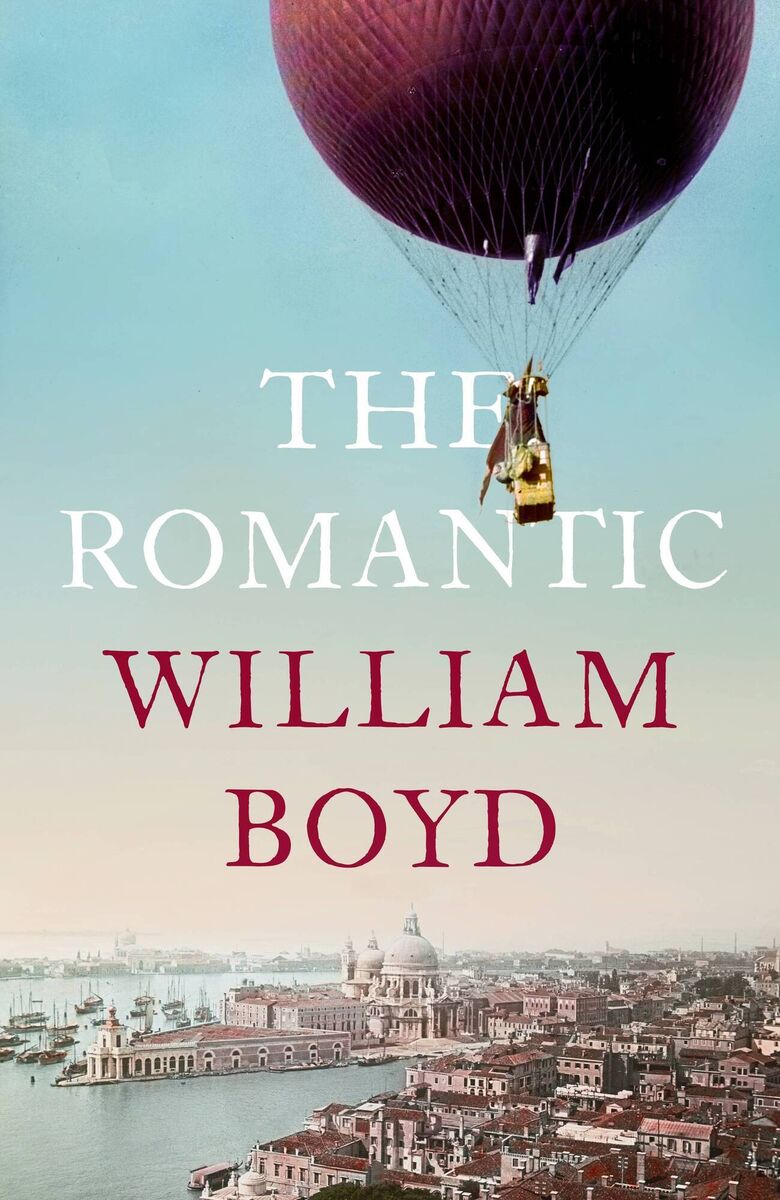
William Boyd’s The Romantic (Viking) is a satisfyingly meaty novel in the rich vein of his earlier classics The New Confessions and Any Human Heart.
As we have come to expect, here is exceptional storytelling — pristine, immersive, and intoxicating. The elegant prose is characteristically detailed and precise.
Also, Boyd has always had a gift for creating flawed characters in whom you become emotionally invested. In many ways this is a reassuringly old-fashioned novel, a relatively straightforward, picaresque fiction.
It has the expansiveness of many classic 19th century novels. There’s a Dickensian warmth and verve, an epic scale, a spirited sense of chance and adventure. Boyd as ever stresses period detail, and the novel is as informative as it is entertaining. He brings real life people and events into his fictional universe.
The protagonist fights at the battle of Waterloo, and later has complicated friendships with both Shelley and Byron. Boyd’s relish for this incongruity is obvious. He manages to sustain a level of excitement for the novel’s considerable length. It is bravura, high octane stuff, eventful and sometimes on the edge of chaos.

Above all this is a great yarn, blistering and boisterous. There is something youthful about the protagonist, even as an elderly man. Both he and the novel have a spring in their step, an infectious optimism and good humour. He is not exactly heroic, but you warm to him as he perseveres, always ready for new diversions. This is a novel full of sound and fury, but not short of significance.
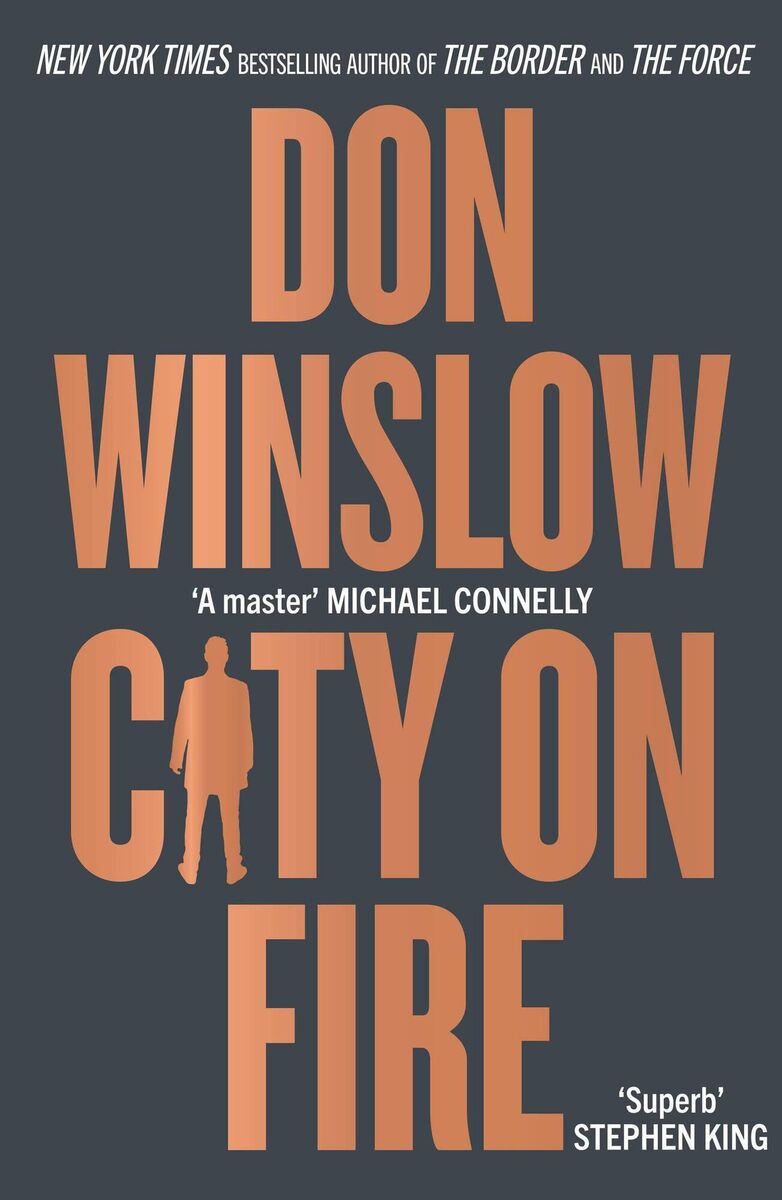
Don Winslow has written several terrific crime novels but his latest mob saga City On Fire (HarperCollins) may be his finest yet. Set in Providence, Rhode Island, observing warring Italian and Irish crews, it is as gritty as George Pelecanos and as nuanced as Richard Price.
For sheer readability it’s comparable to Denis Lehane’s best work and has been described as a cross between The Departed and The Sopranos, giving us an idea of the compelling, scabrous territory we are in.

Like the powerful Scorsese film and the iconic David Chase series, the novel has emotional heft and gravitas, but is also blackly, bleakly funny. It has the fatalism, the heavy sense of tragic inevitability of this genre, yet the tension is never diluted at all.
The book is teeming with violent, selfish, duplicitous but hugely charismatic characters. It’s edgy, exhilarating, exciting. You finish it feeling exhausted but sated.
Winslow does not skimp, he does not cut corners. His world building is patient and meticulous, and ultimately pays off beautifully. He has shown here his comprehensive understanding of the gangster genre. This could become a classic.
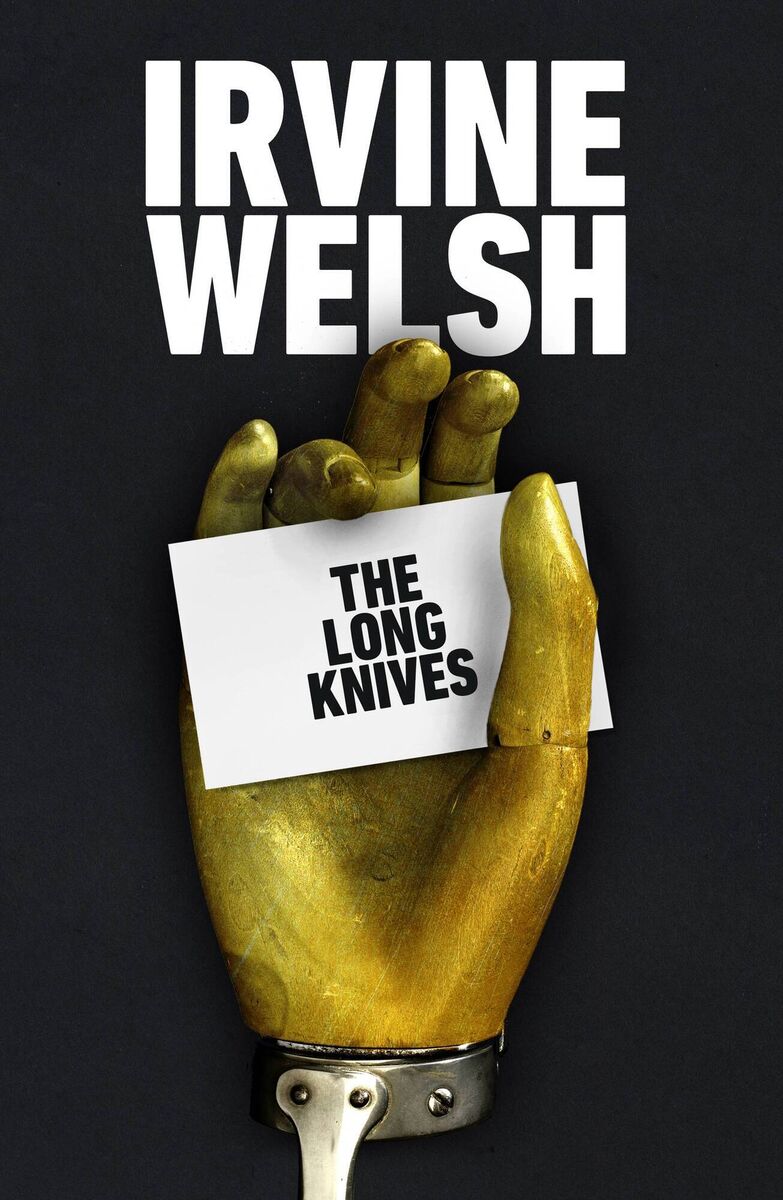
The Long Knives (Jonathan Cape) is the second novel in Irvine Welsh’s Crime series. After a decade or so in which he produced some indifferent novels, this is something of a return to form.

While it is admittedly difficult to see him reaching the heights of Trainspotting or Filth again, this book is impressive in its nuance, its control, its compelling and complex plot.
Long term fans will delight in the reappearance of iconic characters from earlier novels. The encounter with Trainspotting’s unforgettable Sick Boy is hilarious, and utterly fitting.
Over the last few decades Welsh has created a coherent fictional universe full of brilliantly individuated, often malign characters. Ray Lennox, the main character here, made his debut as a shifty, duplicitous opportunist in Filth. Since then he has steadily gained complexity and depth as a character.
Through him, Welsh explores the inevitability of moral compromise. There is a seemingly hopeless quest for truth in this unflinching, harrowing world. Though it has been argued that there is a voyeuristic element to reading Welsh — a wallowing in seediness and degradation — there is no apology needed for enjoying this intelligent, propulsive, passionate thriller.
Donal Ryan’s novels are all remarkable. They are beautifully crafted, lyrical and resonant. Arguably all the books share much the same bleak emotional terrain.
If this is true it is understandable, as everything is rendered so accurately, and with such truth and love. He writes with a poetic economy that feels utterly original. Every word tells, there is rarely a word too many, while ime and place are rendered with an economy, an exactness.

The creation of mood is exemplary. There’s emotion, gravitas, a solemnity, even a stateliness. He does not need to write lengthy novels because he has the ability to say what he needs in a much shorter space.
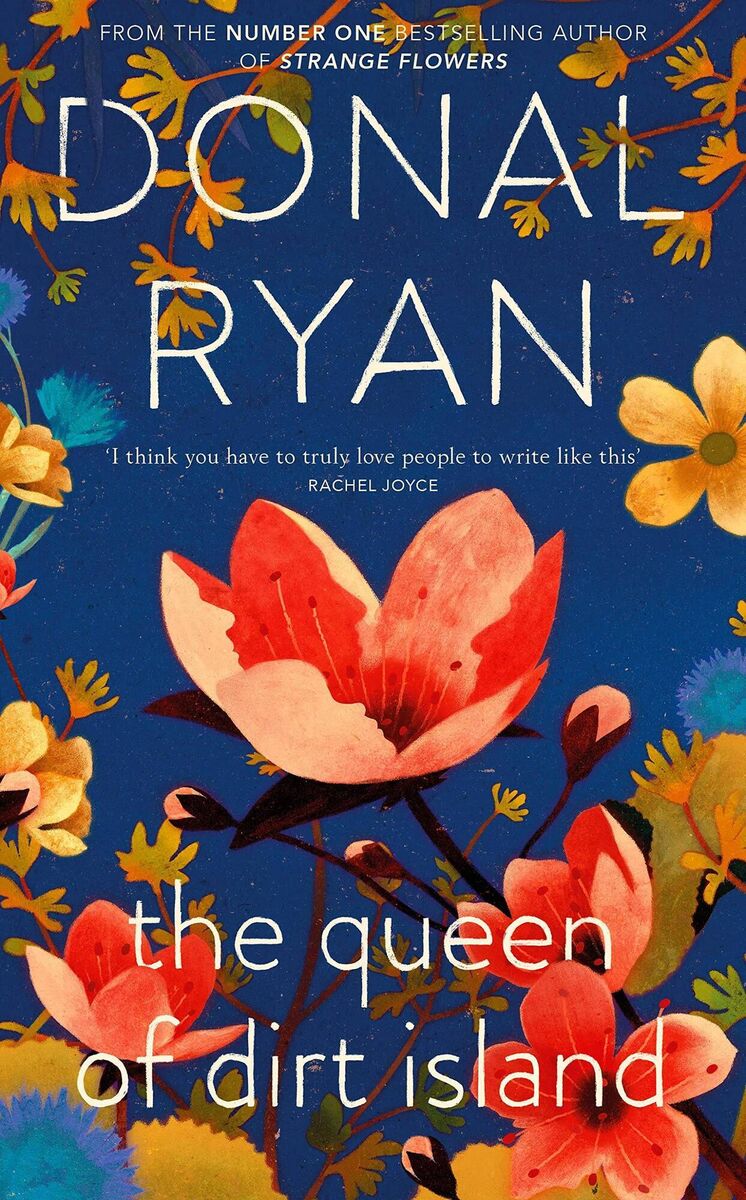
The Queen Of Dirt Island (Doubleday) may be the best thing he has written to date. Predictably enough, it is a slender, beautiful, subtly life-affirming piece. The prose retains its poetic lilt, the carefully chosen words reverberate quietly in unexpected ways.
The author again shows a feeling for symbols that other novelists must envy. Here he writes perceptively and intuitively about four generations of women — his ability to write female characters recalls Brian Moore at his finest, a huge compliment.
Rachel Joyce said something striking and memorable about Donal Ryan’s writing: “I think you have to truly love people to write like this.” This is easily the best description of his writing I’ve encountered and that love of people burns fiercely here.

Subscribe to access all of the Irish Examiner.
Try unlimited access from only €1.50 a week
Already a subscriber? Sign in