Life Hack: Four ways to help remove a stripped screw
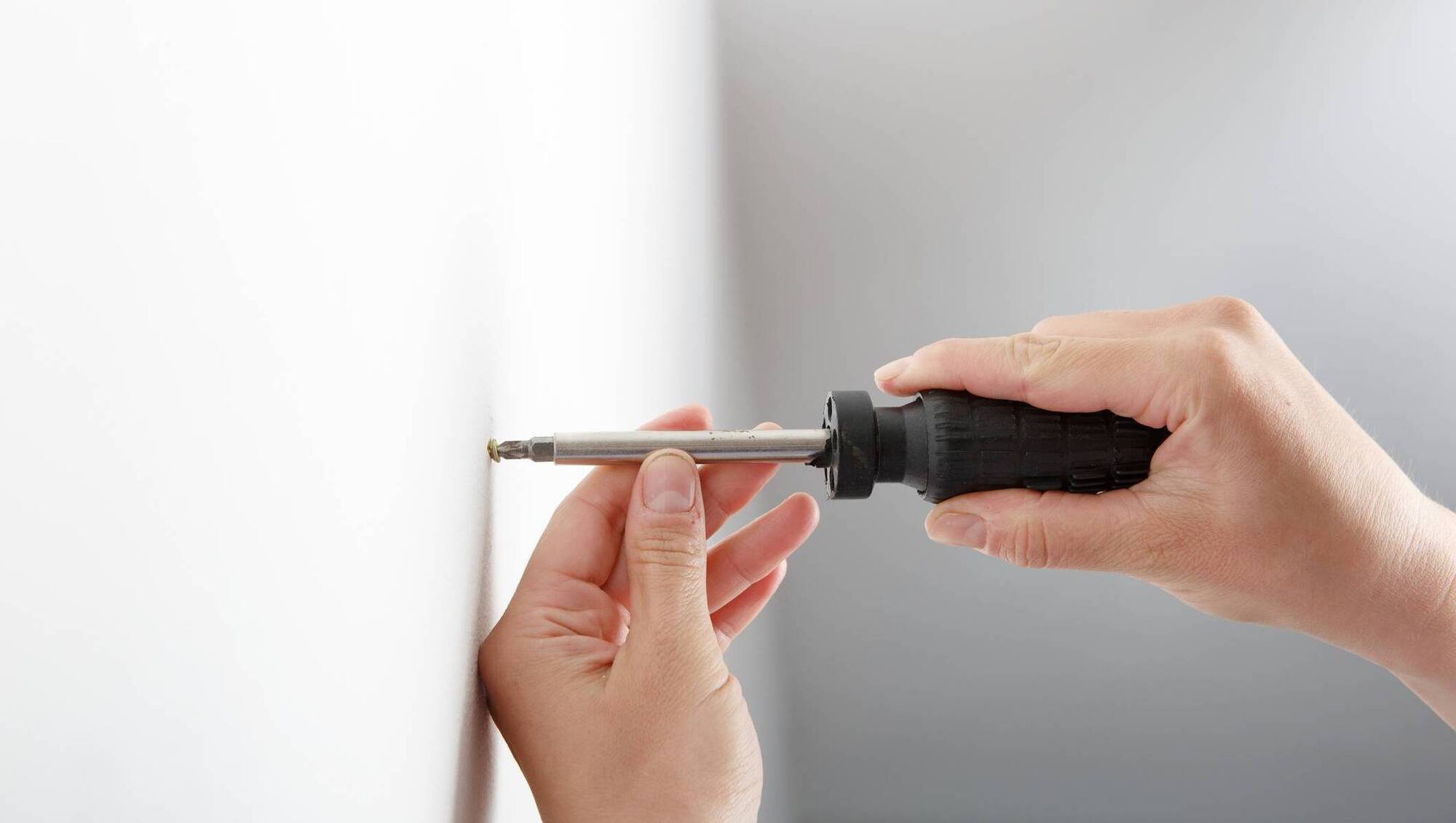
Have you ever tried to remove an old screw only to have your screwdriver slip and slide on the surface instead of slotting in and twisting?
There are a few tricks you can try to remove a stripped screw.

There are a few tricks you can try to remove a stripped screw.

One of the most common frustrations many of us have felt while doing DIY work at home is caused by a tiny thing: A screw.

Have you ever tried to remove an old screw only to have your screwdriver slip and slide on the surface instead of slotting in and twisting easily? 

This happens when the screw is stripped — essentially, the screw head is deformed when a screwdriver or drill bit slips or by excessive force when using a tool.

When you can’t get a grip on the screw with your screwdriver, it feels like the screw will never loosen. 

However, there are a few tricks you can try to remove a stripped screw.

The improvisation method

Sometimes, where the screwdriver fails, another tool may succeed. This depends on several factors; for example, usually the screw head lies flush with the surface it is screwed into but, if the screw is a little bit above the surface, you might be able to grip it with another tool. 

You could use a pair of pliers to grip the edges of the screw tightly and twist it counterclockwise. Hopefully, with enough of the screw poking out, you will have enough to grip and unscrew.

For a screw that is not sitting above the surface, you could use a rotary tool to cut a straight line on the top of the stripped screw head. Once that line is cut, you can use a standard flathead screwdriver to unscrew it. 

Want to try this but don’t have a rotary tool? Place a flathead screwdriver over the screw and tap it gently with a hammer. If the screw is soft, this will create a new slot you can then grip and twist with the flat screwdriver.

Another technique, and one that may work well for those of us who don’t have an extensive power tool selection, is simply to try using a bigger-sized screwdriver. This can help you to get a firmer grip on the stripped screw and get it turning. 

Similarly, a flathead screwdriver instead of a Phillips head one could slot better into the screw.

The rubber band method

This is probably the most popular solution, as a rubber band provides a non-slip surface that can often allow your screwdriver to better grip the stripped screw in a quick and affordable hack. 

Place a thick rubber band over the top of the screw head and press a screwdriver down firmly. Turn it as usual to loosen the screw. Like the above method, if it does not work with the right screwdriver, try using one that is slightly bigger, as it could catch better.

If you don’t have a rubber band, another option is to place some duct tape or steel wool over the stripped screw to provide that extra friction. Then, use the screwdriver by turning it counterclockwise until the screw loosens.

The superglue method

If you have a tube of superglue in your home, this can be a great solution. Pop a dab of superglue on top of the stripped screw to give extra grip that will allow you to turn the screw.

Once the glue is applied, press the screwdriver head into the groove and let it set. The glue will quickly bond the screwdriver tip to the screw, offering additional grip. Turn the screwdriver slowly to remove the screw.

The specialist tool method

If all else fails, you can buy screw extractors in most DIY and hardware shops. These let you drill a hole in the damaged screw, insert the appropriate extractor, and twist to remove it.

They promise no hassle or damage and may be just the ticket for anyone avoiding complicated and complex workarounds. The screw extractors will typically remove damaged, stripped, or broken screws from various materials, including wood, metal, and plastic.

x

More in this section

Cookie Policy Privacy Policy Brand Safety FAQ Help Contact Us Terms and Conditions

© Examiner Echo Group Limited