MasterChef finalist Mark O'Brien: Here are my fish and veg options for summer barbeques
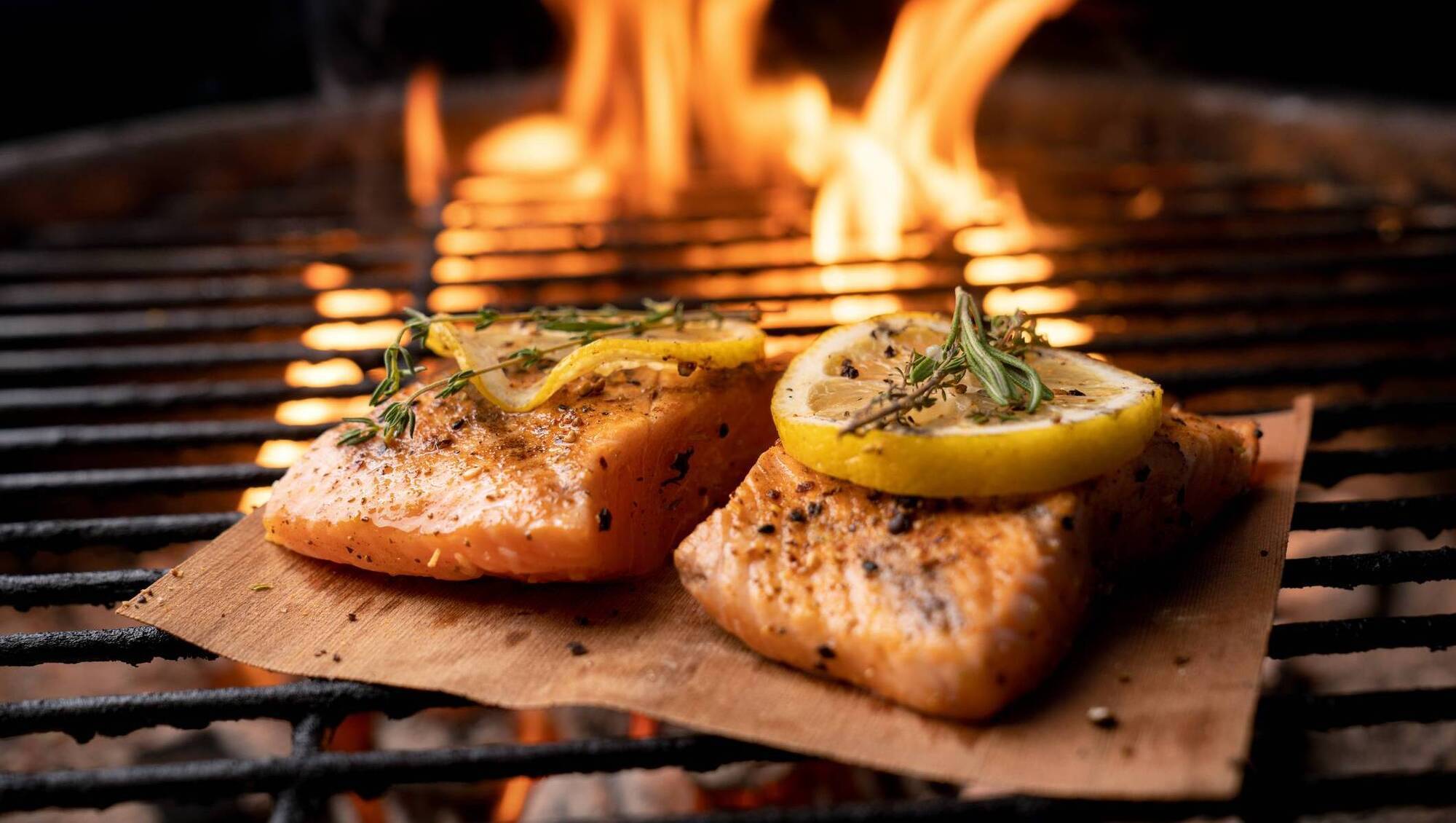
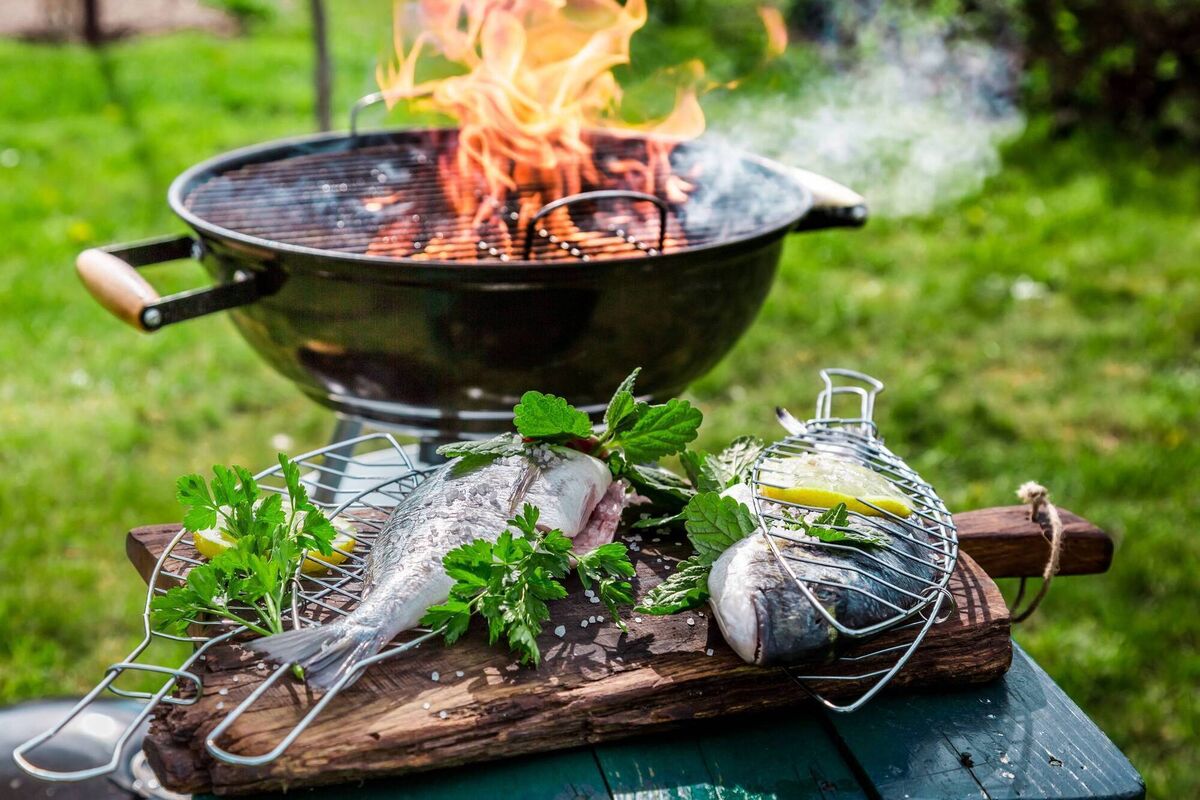
Mark O'Brien: "Fish takes barbecue flavour so well. It’s incredibly quick and delicious"
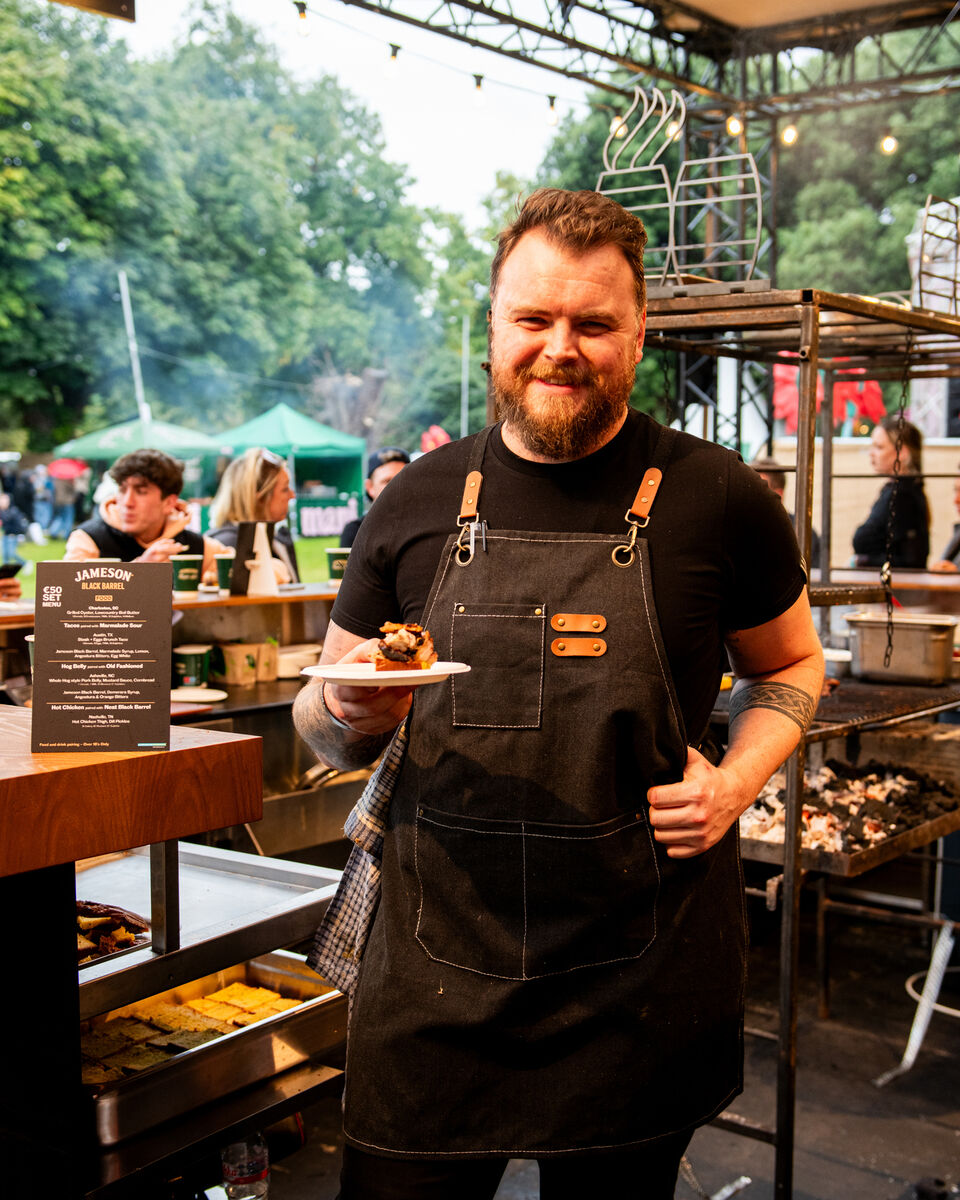

He likes to make the most of seasonal vegetables: “My personal favourite right now is a charred courgette salad, which is amazing for summer. I’ll take green courgettes, just a little bit of oil and salt on the outside, grill them whole, and I’ll burn the hell out of them.
“Then I’ll just cut them up really rough into nice big chunks when they’re still warm, dress them with a nice olive oil, salt, maybe a little grated garlic, lemon zest, and some chilli flakes so all of that dressing has a chance to be absorbed into the courgette. I’ll put that on a plate with some whipped feta or whipped silken tofu and add loads of mint and a little bit of chilli flakes to bring a little bit of extra spiciness. It’s the most incredible side dish.”
O’Brien understands the timeless appeal of barbecuing: “It’s such a simple and straightforward method of cooking.
“There’s so much satisfaction in it, and fire itself is fascinating, especially nowadays when everything we do is so safe and so electronic and so removed from the real world. I think barbecue and fire are a great way of connecting people to something authentic that they may be lacking in their day-to-day lives."
Trish Twohig, director of Food Safety with safefood.net, shares her top tips as part of the Safe2Eat campaign, which is led by the European Food Safety Authority (EFSA):
1. Think about temperature: barbecue meat should always be cooked to at least 75°C, and if it’s not being eaten straight away, don’t leave it sitting out. Salads, dips and desserts should stay properly chilled (below 5°C). That means keeping them in the fridge until you are ready to serve them or using a cool box with ice packs if you’re outdoors.
2. Keep raw and cooked foods well apart: cross-contamination can happen when bacteria from raw food are transferred to other food.
Avoid this by:
- Using separate utensils and plates for raw and cooked foods.
- Washing your hands with warm soapy water after handling raw meat, poultry, fish, eggs and unwashed vegetables.
- Keeping foods like salads or coleslaw away from raw ingredients
- Making sure any marinade used on raw meat is not then used as a sauce to coat vegetables or cooked meat. It will contain raw meat bacteria.
3. When it comes to cooking, don’t rely on looks: a nicely charred sausage or burger can still be undercooked in the middle. This is especially important for chicken, pork, minced or skewered meat like burgers, sausages and kebabs. The safest way to check is with a meat thermometer. You’re aiming for at least 75°C at the thickest part.