Joe McNamee: How a seed library can plant hope for the future
Seed libraries are community initiatives that ‘lend’ edible plant seeds for people to grow
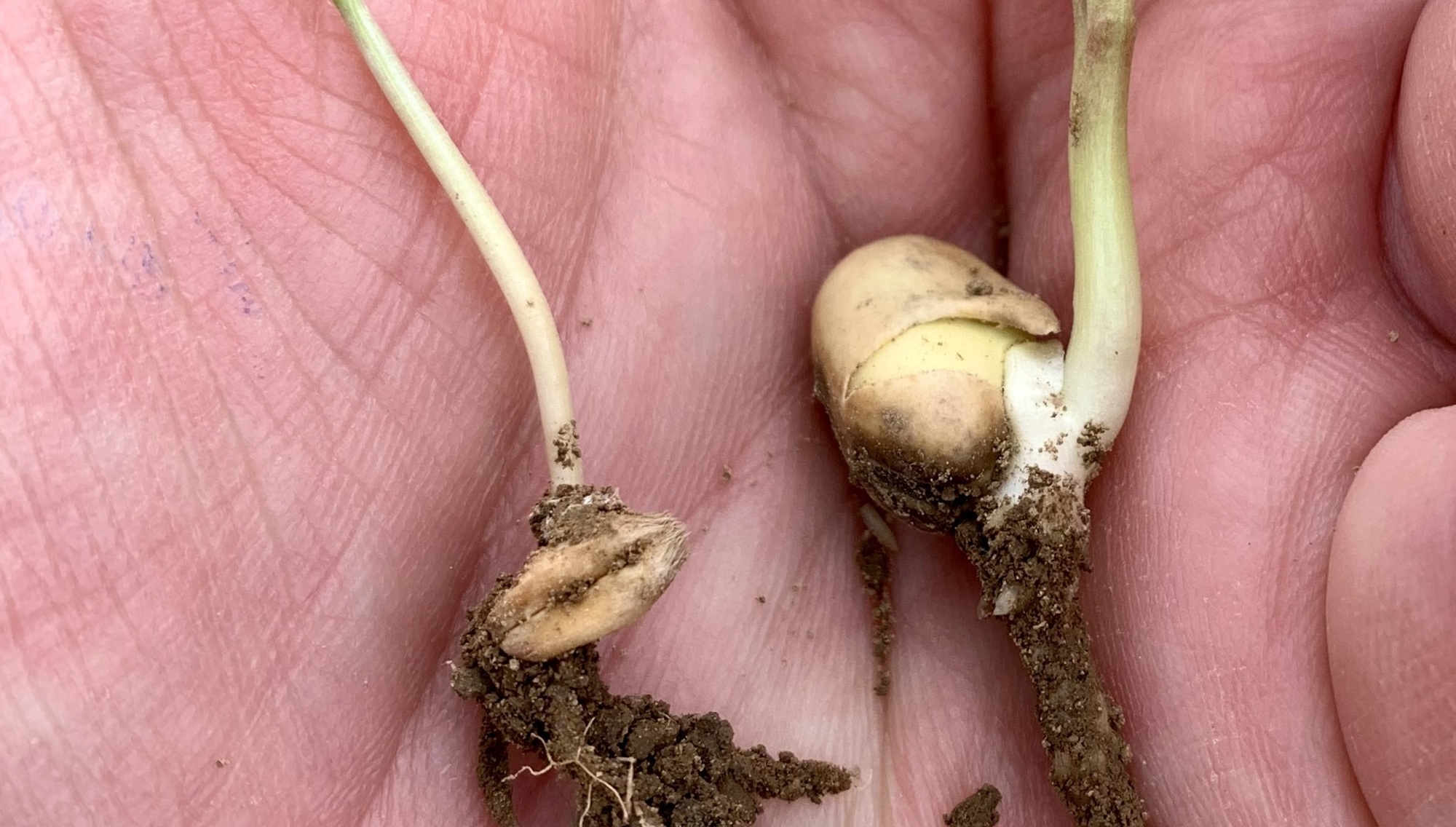
 Emmer and Fava Bean seedlings, just some of the unusual crops Tom Fouhy grows on his North Cork farm. Picture: Joe McNamee

Emmer and Fava Bean seedlings, just some of the unusual crops Tom Fouhy grows on his North Cork farm. Picture: Joe McNamee

A seed library has just opened in Cork City Library on the Grand Parade, the third such library to be established in Cork over the last two years. They are united by goals common to a worldwide movement that began at Berkeley Ecology Centre, California, in 1999.

Seed libraries are community initiatives that ‘lend’ edible plant seeds for people to grow, with the aim of returning saved seeds after harvest.

The first goal is for growers to establish a connection with, and an understanding of, what it takes to produce truly nutritious and tasty food. The focus is on locally harvested, heirloom, or organic varieties to encourage growers to pursue quality of seed and, subsequently, resilience in the harvested crop. I have encountered too many ‘real world pragmatists’ who view seed libraries and similar GIY-related endeavours as little more than a quaint and harmless ‘hobby’.

There is a deeper reason for establishing seed libraries: The drive by giant agro-chemical corporations, beginning in the US in the 1990s, to control and commodify seeds for profit.

It had long been considered impossible to patent a living organism such as a seed but corporate might found a work-around. By arguing that new, unique seeds created through hybridisation and genetic modification were the sole intellectual property of their creators, the use of seeds was restricted, for the first time in human history, to those paying royalties for their use and re-use if saved from an initial harvest.

Selling saved seeds to, say, a neighbouring farmer — a practice almost as old as agriculture itself — became illegal. Satellite technology is now used around the world to police this system. The changes had an especially negative impact on the livelihoods of peasant farmers in the developing world.

This corporate commodification of a common resource was then sewn into the fabric of international trade agreements, giving just four companies almost complete control of the cornerstone of the global food system, of life itself. Even Irish farmers pay royalties for seeds. This is where those aforementioned real world pragmatists describe seed libraries as ‘futile’.

We employ seeds daily as metaphors of life, of renewal, rebirth, survival, and more, yet rarely consider or reflect on seeds themselves. 

Modern day societies are directly descended from the first agrarian communities to come together thousands of years ago, having learned how to sow seeds, harvest edible crops — and, crucially, save seeds to grow again.

Seeds are tiny yet ferociously hardy and durable. A bird can crap on a chimney pot and a plant sprouts high above the city; a 2,000-year old Judean date palm seed recovered in the excavation of Herod the Great’s palace was germinated and grown into a full plant in 2005. Seeds are, quite literally, life.

Seed libraries are part of the grassroots of a growing resistance to the corporate takeover of humanity’s fundamental right to food. Higher up the ladder in this movement are commercial growers such as Turlough Keenan, an organic tillage farmer in Monaghan. With his brother Fintan, he has developed wheat crops from among the hundreds of heritage grains once grown worldwide for thousands of years before being replaced, after the Second World War, by high-yield hybrids. That left only a comparative handful of varieties — a near-monoculture increasingly vulnerable to disease, climate change, and environmental degradation

Turlough grows multiple varieties of heritage wheats. As ancient grains, there are no royalties due. The brothers began with a handful of seeds, saving each crop until they had sufficient to grow commercially.

Turlough mills the wheats at his own Manna Mill and sells it to real bread bakers all around the country, including Seagull Bakery in Tramore, Wildflour in Innishannon, and Seeds in Kinsale, where baker Ben Le Bon retails his Ancient Grains loaf. These are the first genuinely Irish breads in generations.

When I look at all these initiatives — from Turlough’s heritage crops to seed libraries, from Irish Seed Savers in Clare to Madeleine McKeever’s Brown Envelope Seeds in West Cork — I see real seeds of hope.

Table talk

Award-winning food tour company Galway Food Tours has now expanded to Kilkenny, as Kilkenny Food Tours, visiting fine local restaurants, pubs, and producers of the Marble City. KFT will officially launch in October (multiple dates) with Samhain & Storytelling: A Kilkenny Immersive Food Tour and will also pop up at Savour Kilkenny at the end of October, visiting five venues for curated seasonal tastings, with a dollop of culture and storytelling on the side.

kilkennyfoodtours.ie

As befits a region with a long association with the apple, Clonmel Applefest (September 25-28) is a small but perfectly formed harvest celebration of food, heritage, and nature, with multiple food events including The Harvest Fair, featuring hot food, shared tables, live music and circus performances, and a vibrant harvest display.

clonmelapplefest.ie

TODAY’S SPECIAL

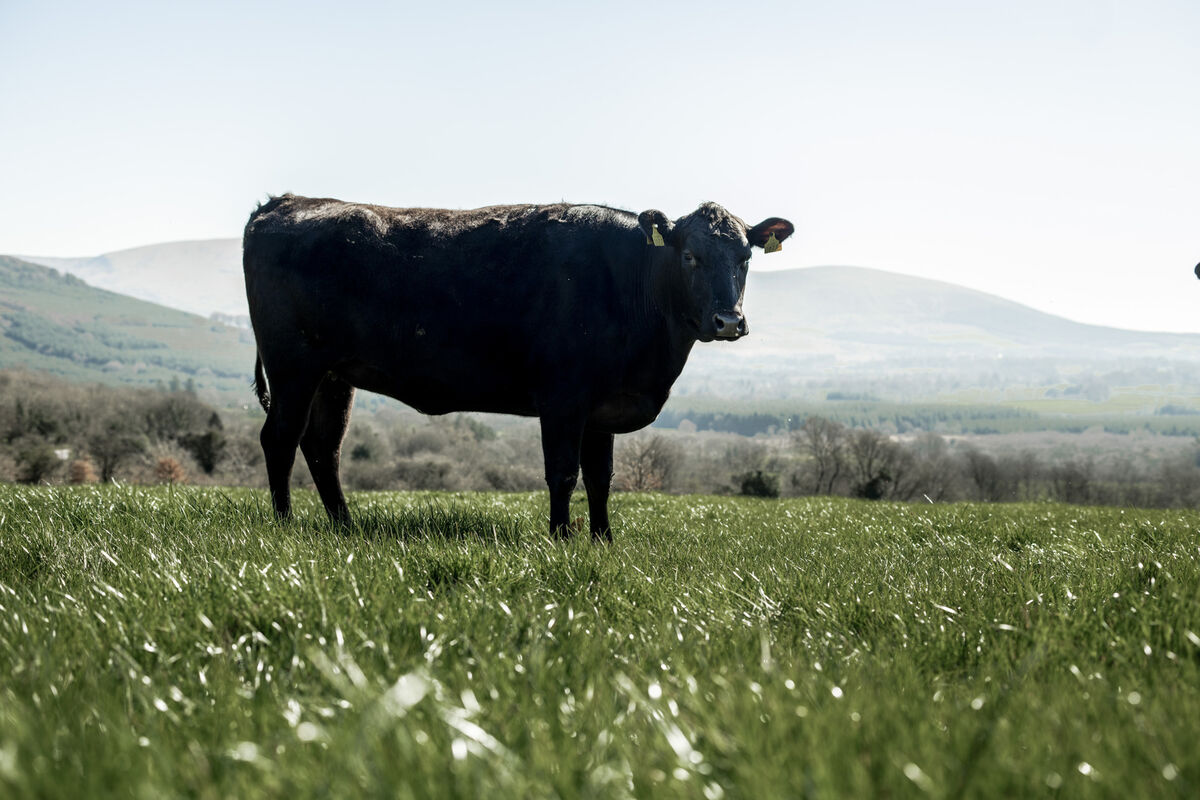
There are two types of cattle in John and Michelle Hourigan’s Ridgeway Farm wagyu herd, in Co Wicklow, one wagyu cross and one full-blood wagyu and both yield premium meat. It is extremely costly to produce and, accordingly, prices reflect the enormously high cost of inputs, which includes chocolate and olives. 

Two 12oz full-blood ribeye wagyu steaks retail at €110, so much of their meat is sold into the world of private dining. Yet when I barbecued one of those ribeye steaks over charcoal, it was the finest Irish-raised beef I have ever eaten, and more than enough for two of us. 

Chocolate encourages the development of the marbling found in wagyu beef and oleic acid in the olives causes the fat to render at lower temperatures. As fat is where the real flavour lies, it almost melts in the mouth along with the tender meat for an extraordinary eating experience.

Granted, at those prices it is not for everyday, but if you were prepared to pay €80+ for a Christmas turkey but fancied a non-turkey alternative, then the cost of two such steaks is suddenly much more approachable for special occasion dining. And I haven’t even begun to tell you about the Ridgeway Farm wagyu burgers!

wagyu.ie

More in this section

ieFood

Newsletter

Sign up for our weekly journey into the best of Ireland’s food scene with recipes, reviews and stories from our award‑winning food writers.

Cookie Policy Privacy Policy Brand Safety FAQ Help Contact Us Terms and Conditions

© Examiner Echo Group Limited