Autumn feeding: Focus on the cow, not just the grass
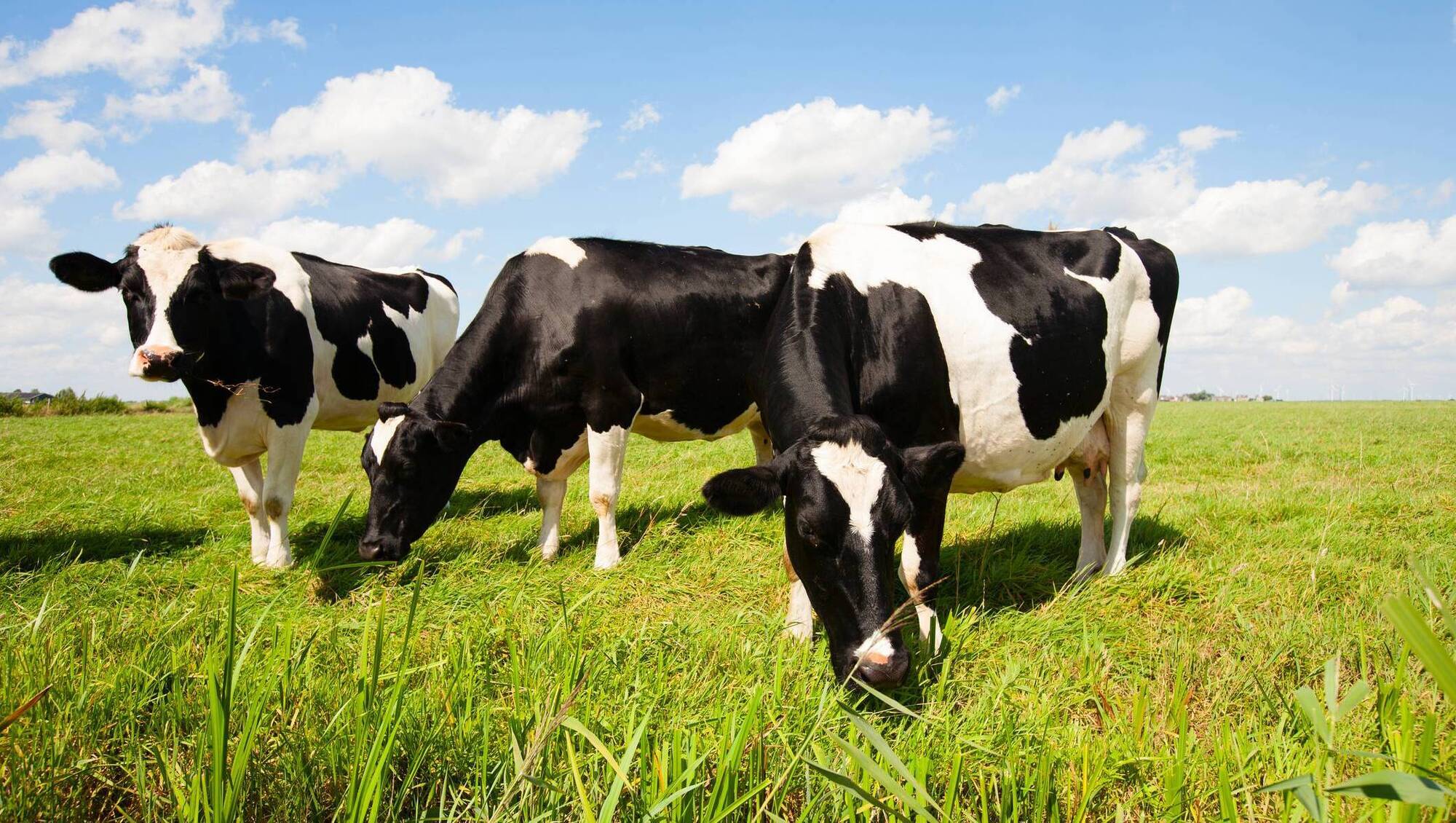
After a difficult summer, grass growth has recovered strongly on many farms, but low dry matter levels and tight winter forage reserves mean careful feeding will be essential to protect milk yield, solids and body condition this autumn.

After the July/August summer dry spell/drought, depending on where in the country you are, we now have a nice, settled spell of weather after the badly needed rain. Ground is in great order, and grass growth has been excellent recently. Many actually reported growth rates in the 60s and 70s last week, which is impressive for September. Soil temperatures are well above normal, which is a big help to growth once the moisture deficit was reduced.
Many third cuts were grazed or zero-grazed over the last few weeks, and for some this means that winter reserves are tight. Many farms have the ambition to make more silage over the next three to four weeks, and fingers crossed we get the window necessary to do it.
Once all of the silage is in, you should start to plan which cuts go to what groups and figure out if you have enough. Those with autumn calvers and/or higher-performing herds will also be waiting on beet and maize harvests to complete their feed supply. Beet is currently not looking great in many areas and really needs to push on over the next six to eight weeks.
There is far too much emphasis on managing grass and not enough emphasis on the cow. Yet again, right now, the system of using cheap fertiliser to produce cheap grass is under pressure with the current and future fertiliser prices. Land, labour and fertiliser costs are now major limitations in the low-input, low-output system! That’s before we have more summers like this year, where we have no grass.
Over the last two months, many herds have benefited, performance-wise, from the introduction of good-quality forage to complement the available grazing. As we head into autumn, grass will be inherently low in dry matter, and once we get further into September, it is very difficult to maintain intakes capable of holding milk yields. This very much holds true when growths are very good, which will mean grass dry matter is even lower.
Many have even concluded that the best thing to do is to begin keeping cows in by night earlier. Why, you say? For the cows, it’s down to increased intakes, maintaining body condition and keeping yields and solids up.
Having cows in by night will make sure that less damage is done in poorer/wetter weather, but it will also allow herds on drier ground to stay out by day for much longer into the winter. Driving intakes will drive performance, and if cows are dropping off in yield and solids, then they are not getting fed enough. It’s a simple mathematical equation: energy in means energy out.
Something that must be left in the past is the management of the late-lactation cow as if quotas still existed. Why is it acceptable for cows to freewheel to dry off while milking much less than they are capable of? Fixed costs per cow remain the same, so why not dilute them?
With this in mind, milk solids and milk yield, along with grass supply, silage quality and body condition, should determine the nutrition management required at this time of year. This should involve a cost-effective, balanced diet that supplies nutrients which are deficient in autumn grass. It should have a high energy content and effective fibre to provide structure in the rumen, and the aim must be to complement the grass available. Maintaining performance and an appropriate body condition must be the focus.
With most autumn calving at an advanced stage, it is now very important to focus on the feeding of the fresh calvers and to monitor intake and performance carefully. Fresh cows really should be kept indoors by night at this stage to make sure that the correct dry matter intakes are being achieved. They really have no business out by night, as overall intakes will not be acceptable to support the fresh cows’ genetic potential. This will make it easier to monitor intake and performance.
Fresh cows on an appropriate feeding regime before full-time winter housing will find the transition to full indoor feeding much easier and get to optimum production quicker. These fresh calvers need to be getting up to 75% of their dry matter indoors if at grass by day currently. Obviously, if grazing conditions become difficult, then you really must keep cows indoors at night, at a minimum, to get the required feed intakes. This strategy will, for sure, have a positive influence on fertility performance in this group of cows later in the year.
- Brian Reidy is an independent ruminant nutritionist at Premier Farm Nutrition. His column features in the every Thursday.