€7.9m project to restore Kerry’s underwater meadows
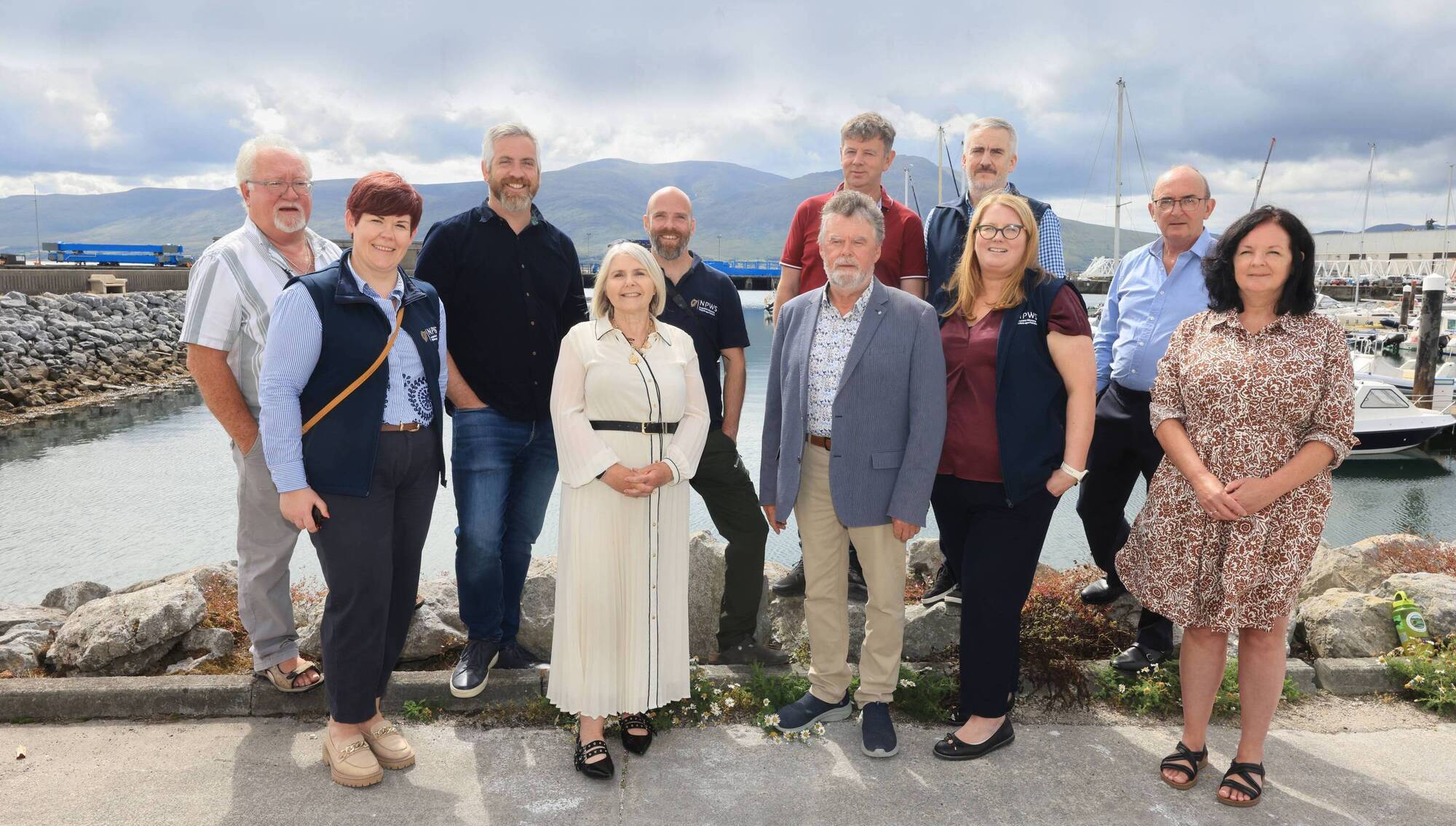
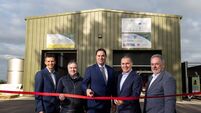
From left, Kevin Flannery, marine biologist, Dingle Oceanworld; Aoife Greene, ecologist, NPWS; Prof Sarah Culloty, zoologist, UCC; William Hunt, district conservation manager, NPWS; Seamus O'Grady, commercial fisherman, North Kerry; Danny O'Keeffe, regional manager, NPWS; Suzanne Nally, director of nature conservation NPWS; Dr Philip Buckley, project manager, NPWS; Sharon Lynch, research fellow aquatic ecologist. UCC. Picture: Valerie O'Sullivan
Meadows may be more commonly associated with fields of grass, but important examples can also be found beneath the waters of Tralee Bay.
Eelgrass meadows are made of marine flowering plants that grow in shallow coastal waters and estuaries.
They protect shorelines from erosion, store large amounts of carbon, and act as nurseries for young fish.
Restoring these sensitive meadows and native oyster beds in Kerry over the next five years is now part of a recently announced €7.9m programme.
Tralee Bay Marine Biodiversity Restoration Project is funded and overseen by the National Parks and Wildlife Service.
It is led by University College Cork, working with local partners including Tralee Oyster Society and Brandon Bay Hatchery.
The project, based in Tralee Bay Nature Reserve, will benefit wider coastal habitats in Co Kerry, including the adjacent Páirc Náisiúnta na Mara Ciarraí — Ireland’s first National Marine Park.
Nature and Biodiversity Minister Christopher O’Sullivan said eelgrass meadows and native oyster reefs provided essential habitats for marine wildlife.
They also improve water quality, enhance biodiversity, support fisheries and contribute to climate resilience.
“This flagship project represents a significant investment in the future of Ireland's coastal ecosystems,” he said.
Read More
Mr O’Sullivan said Tralee Bay provided a unique opportunity to restore these fragile habitats of national and international importance by applying on the ground restoration measures with cutting-edge research.
“By bringing together research expertise from UCC with local partners in the Maharees and Tralee Bay, we can create a model that will inform and inspire similar restoration initiatives in Ireland and beyond.
“Habitat recovery is a key part of our Nature Restoration Plan, and landmark projects like this act as pathfinders for how we do this at scale,” he said.
A central element of the project will be community engagement, with a range of initiatives designed to increase public awareness, foster local stewardship and strengthen community participation in coastal conservation.
Professor Sarah Culloty, principal investigator, UCC, said the project represented a unique opportunity to restore two of Ireland's most important marine habitats, native oyster reefs and eelgrass meadows, within one of the country's most ecologically significant coastal systems.
“By bringing together researchers, fishermen, conservation agencies, and local communities, we are creating a living laboratory for nature restoration that will deliver benefits for biodiversity, water quality, climate resilience, and sustainable coastal livelihoods.
"Tralee Bay has the potential to become a national and international exemplar of how science, conservation, and community stewardship can work together to restore our marine environment for future generations,” she said.
NPWS director general Niall O’Donnchú said eelgrass meadows and native oyster beds were among the most valuable habitats found in our coastal waters.
“This project will help accelerate their recovery while providing important scientific knowledge and best-practice guidance for future restoration programmes,” he said.
NPWS divisional manager Philip Buckley said the protection of biodiversity, including marine biodiversity around the Dingle Peninsula, had been a key aim of Páirc Náisiúnta na Mara Ciarraí since its establishment.
“By working together with the local community, this project will deliver benefits to our valuable marine habitats in Kerry, and also to local fishing communities around the páirc,” he said.
Professor John Cryan, vice president, research and innovation, UCC, said as a university ranked among the world's leading institutions for sustainability, it was proud to lead transformative research that delivered real-world solutions to some of the most pressing environmental challenges of our time.
“The Tralee Bay Marine Biodiversity Restoration Project combines cutting-edge science with practical restoration to enhance marine biodiversity, support sustainable economic activity, and contribute to Ireland's climate and nature goals,” he said.