The race to record untold stories of Ireland’s Big Houses
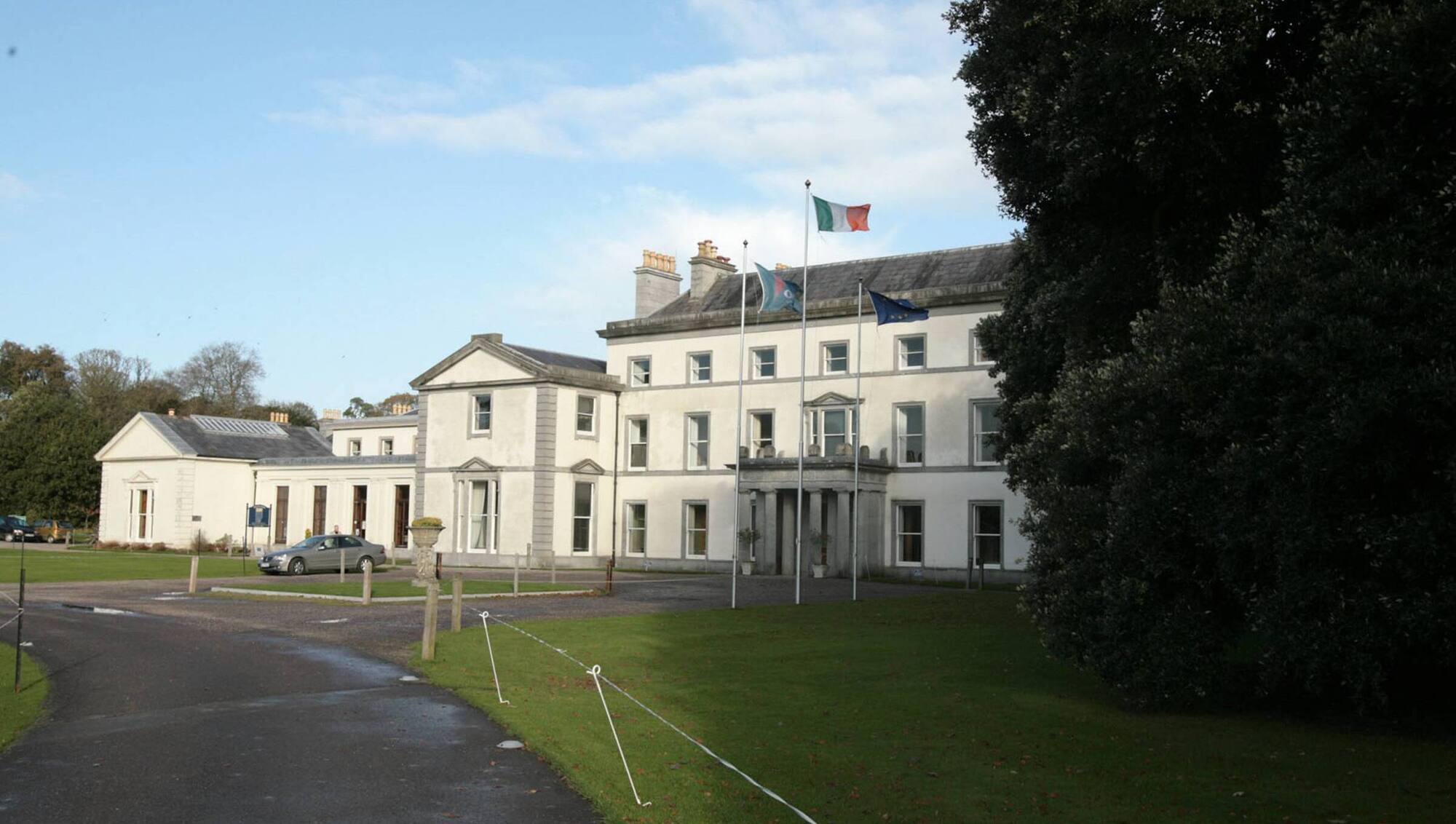
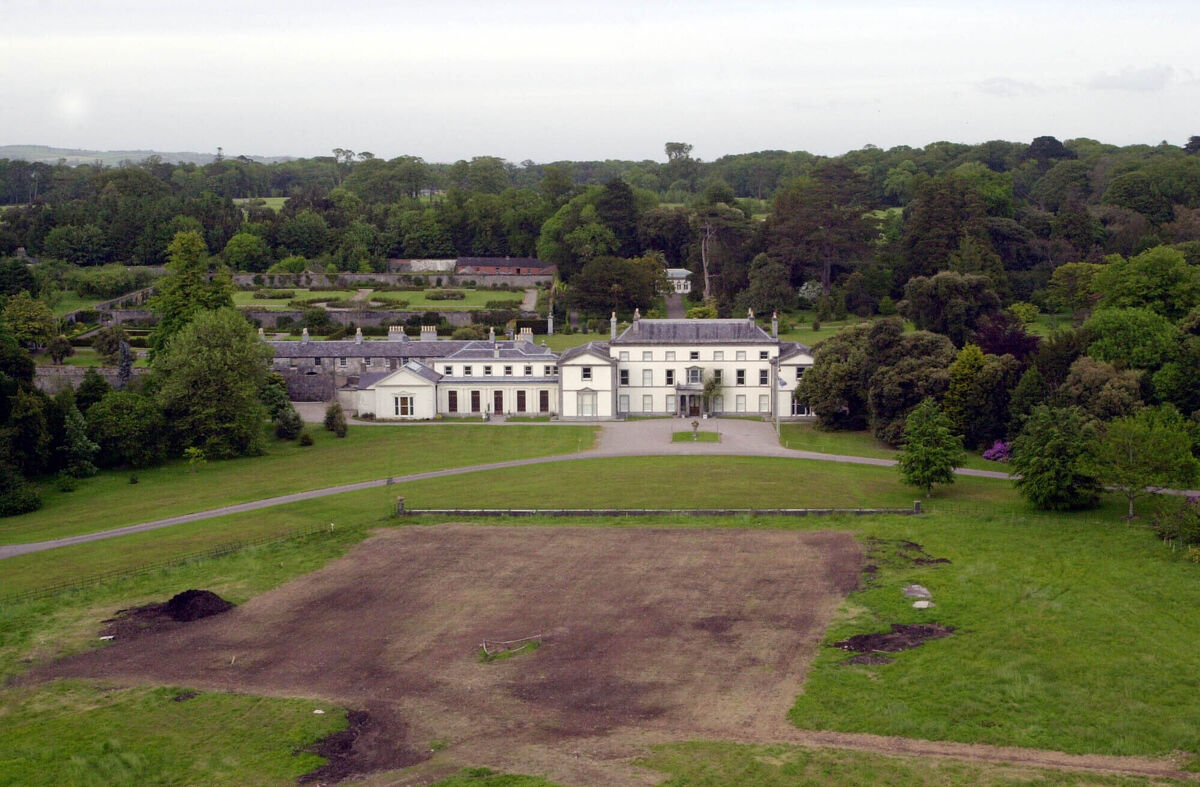
Fota House, Fota, Co Cork. Picture: Neil Danton
The stories of people who worked upstairs, downstairs and outdoors in the great Irish houses of the past have never been fully recorded.
But that is now about to change with the launch of a new national oral history project.
It relates to three of those historic sites, Fota House and Gardens in Cork, Johnstown Castle Estate, Museum and Gardens in Wexford, and Strokestown Park House in Roscommon.
Heritage Voices Plus plans to collect and preserve those untold stories, which have fascinated people for generations and inspired many films and television series.
People across Ireland are now being asked by the Irish Heritage Trust to come forward and record their memories, experiences and traditions of those who shaped the three houses.
The project is funded through the Heritage Council Community Grant Scheme and is being delivered in partnership with Mac Conmara Heritage Consulting.
It recognises that while Ireland's historic houses, gardens and estates have been carefully conserved, many of the personal stories and memories of the people who lived, worked and cared for them have never been formally documented.
Interviews will now be carried out with former staff, estate workers, gardeners, researchers, volunteers, local historians and members of the wider community with memories of the three sites.
The project will capture stories of estate life, horticultural traditions, farming, biodiversity, scientific research, community life and the everyday experiences that have shaped these remarkable places over generations.
Irish Heritage Trust Programme Development and Outreach Manager Grace Dignam said every one of the sites is filled with personal stories of people.
They worked the land, cared for gardens, welcomed visitors, carried out research, volunteered their time or simply grew up with these places as part of their community.
“Many of these memories have never been recorded and, unless we act now, they risk being lost forever,” she said.
Oral historian Dr Tomás Mac Conmara said historic places are much more than buildings and landscapes.
They are shaped by generations of people whose knowledge, traditions and lived experiences often exist only in memory.
“Through oral history we can capture those voices before they are lost, ensuring they become part of Ireland's historical record alongside the physical heritage we work so hard to protect,” he said.
The project will also examine existing oral history collections to uncover and preserve previously recorded stories relating to the houses.
Johnstown Castle Estate is home to the Irish Agricultural Museum, which exhibits intriguing objects and stories that reflect life in rural Ireland over the centuries.
It has a history that dates back over 800 years, features an 86-metre servants’ tunnel that kept the castle’s busy staff out of view of the gentry, has 5km of scenic pathways and lake walks and a four-acre walled garden.
Strokestown Park is now the location of the National Famine Museum where visitors can explore the parallel lives experienced in Ireland’s darkest times by 19th-century landlords, tenants, and cottiers.
The footsteps of 1,490 people who were evicted and forced to walk 165km from Roscommon to Dublin in 1847 to escape the Great Famine can be traced.
In Dublin, they boarded a ship to Liverpool before sailing to North America on some of the worst coffin ships of the time. Over 700 of them died.
Core exhibitions at Strokestown Park House give a sense today of what life was like in the house for both gentry and servants in centuries past.
Fota House, one of the country’s great houses, is home to a nationally significant collection of paintings, and a beautifully restored arboretum and gardens.
It has been welcoming visitors for more than 200 years and features neoclassical interiors, grand formal rooms, a guest suite, a nursery and a servants’ wing where maids, cooks, butlers and other staff worked and lived.
When the Irish Heritage Trust began caring for Fota House Arboretum Gardens in 2007, unique original features were at risk, including impressive glasshouses and a Victorian Walled Garden.
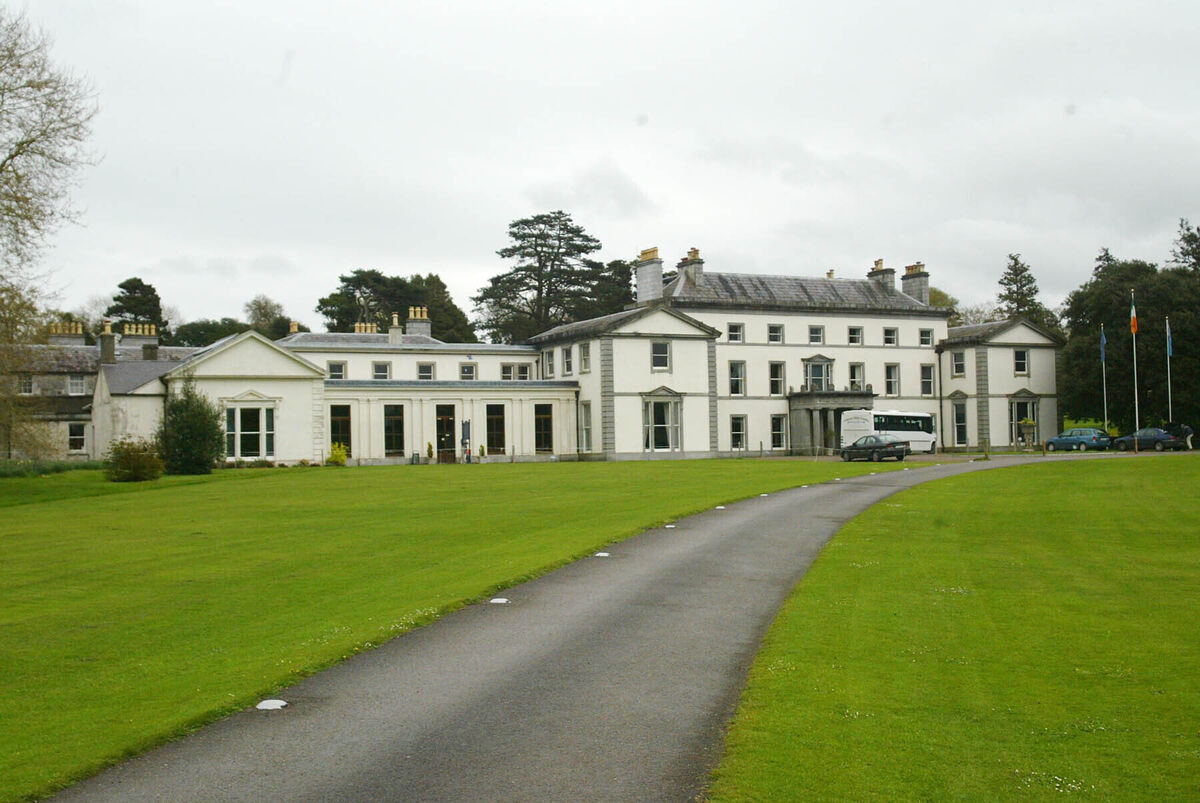
The Trust immediately undertook an extensive programme of restoration, made possible by the support of the Government and other agencies, including local authorities and the Office of Public Works, as well as heritage experts and volunteers.
Heritage Voices Plus now follows a significant Irish Heritage Trust Investment last year of more than €23,500 of its own resources to develop a national oral history framework across its properties.
This work established a consistent methodology for collecting oral histories, secured long-term archival partnerships in Cork, Wexford and Roscommon, and created a network of trained volunteers to support the project.