Ask a solicitor: Does my old farmhouse qualify for the Property Refurbishment Grant?
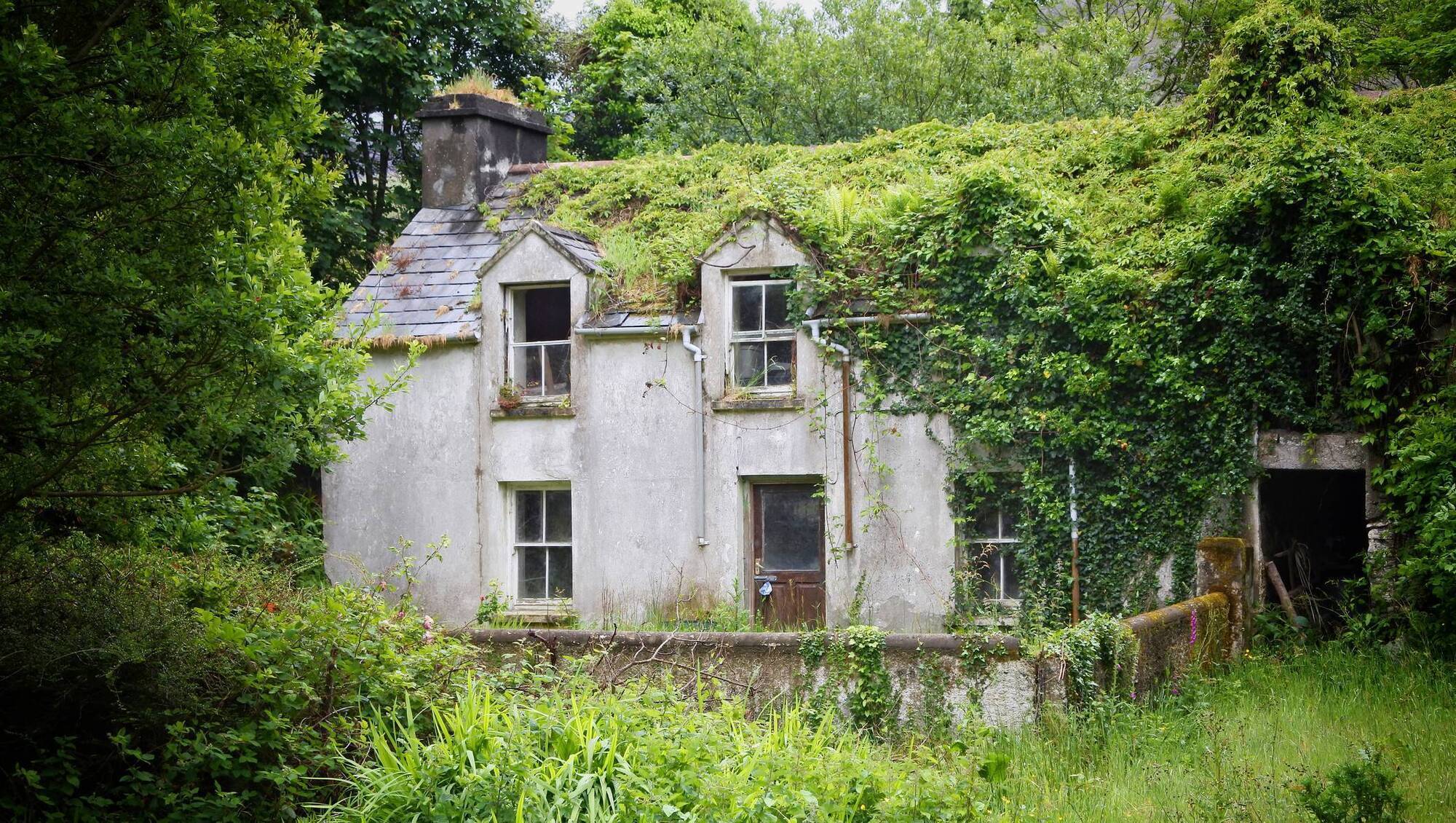
From an eligibility perspective, the fact that a property is located on a farm does not prevent it from qualifying for the Property Refurbishment Grant - what matters are the criteria set out under the scheme, writes rural solicitor Deirdre Rafferty. Picture: John Gollop / iStock
Dear Reader,
Your situation reflects a growing trend, particularly in rural areas, where disused farmhouses are being brought back into residential use. The Vacant Property Refurbishment Grant has made such projects more accessible, but there are a number of important legal and practical considerations to address at an early stage.
From an eligibility perspective, the fact that the property is located on a farm does not, in itself, prevent it from qualifying. What matters is that the building is capable of being used as a dwelling and satisfies the criteria set out under the scheme.
Where a higher level of grant is being sought on the basis that the property is derelict, evidence will also be required to demonstrate that it is in a state of disrepair.
Proof of vacancy and condition is an important part of the process and may include utility records, photographs, or reports from relevant professionals. Local authorities will assess this as part of the application.
A key issue to consider at the outset is ownership. In order to draw down the grant, you must have a legal interest in the property. Where the house currently forms part of a larger farm holding, this will usually require a transfer into your name.
While an application can often be initiated in advance, the legal position must be regularised before any grant funding is released.
You should also consider how the property will be used once refurbished. The scheme is generally intended for principal private residences, and you will be required to occupy the house as your main home for a specified period.
If the property is sold or ceases to be your primary residence within that timeframe, the grant may be subject to clawback provisions.
Planning is another important factor. While some refurbishment works may not require permission, this will depend on the scale and nature of the proposed works.
In a rural or farm setting, issues such as access, wastewater treatment, and services can arise. It is advisable to confirm the planning position at an early stage to avoid delays later on.
This means that the cost of refurbishment must generally be funded upfront. Careful budgeting is therefore essential to ensure that the project remains viable.
There are also legal and tax considerations where property is being transferred within a family. Depending on how the arrangement is structured, taxes such as stamp duty or Capital Acquisitions Tax may arise, although reliefs may be available. Early advice can help ensure that the transfer is carried out in a tax-efficient manner.
As with many property-related matters, preparation is key. Having a clear understanding of ownership, eligibility, planning requirements, and funding arrangements will help to avoid complications and allow the project to proceed more smoothly.
You may wish to engage a solicitor at an early stage, particularly where the property forms part of a larger holding. A solicitor can assist with the transfer, advise on title and compliance issues, and ensure that the legal aspects are properly managed.
In summary, while the grant scheme presents a valuable opportunity to restore a vacant farmhouse, it is important to approach the process in a structured way. With the right planning and advice, such a project can provide a practical solution while bringing an unused property back into meaningful use.
Email: info@walshandpartners.ie
- While every effort is taken to ensure the accuracy of the information contained in this article, solicitor Alex Krupa does not accept responsibility for errors or omissions, howsoever arising. Readers should seek legal advice in relation to their particular circumstances at the earliest opportunity.