Ask a solicitor: My neighbour’s cattle damaged my land – what are my rights?
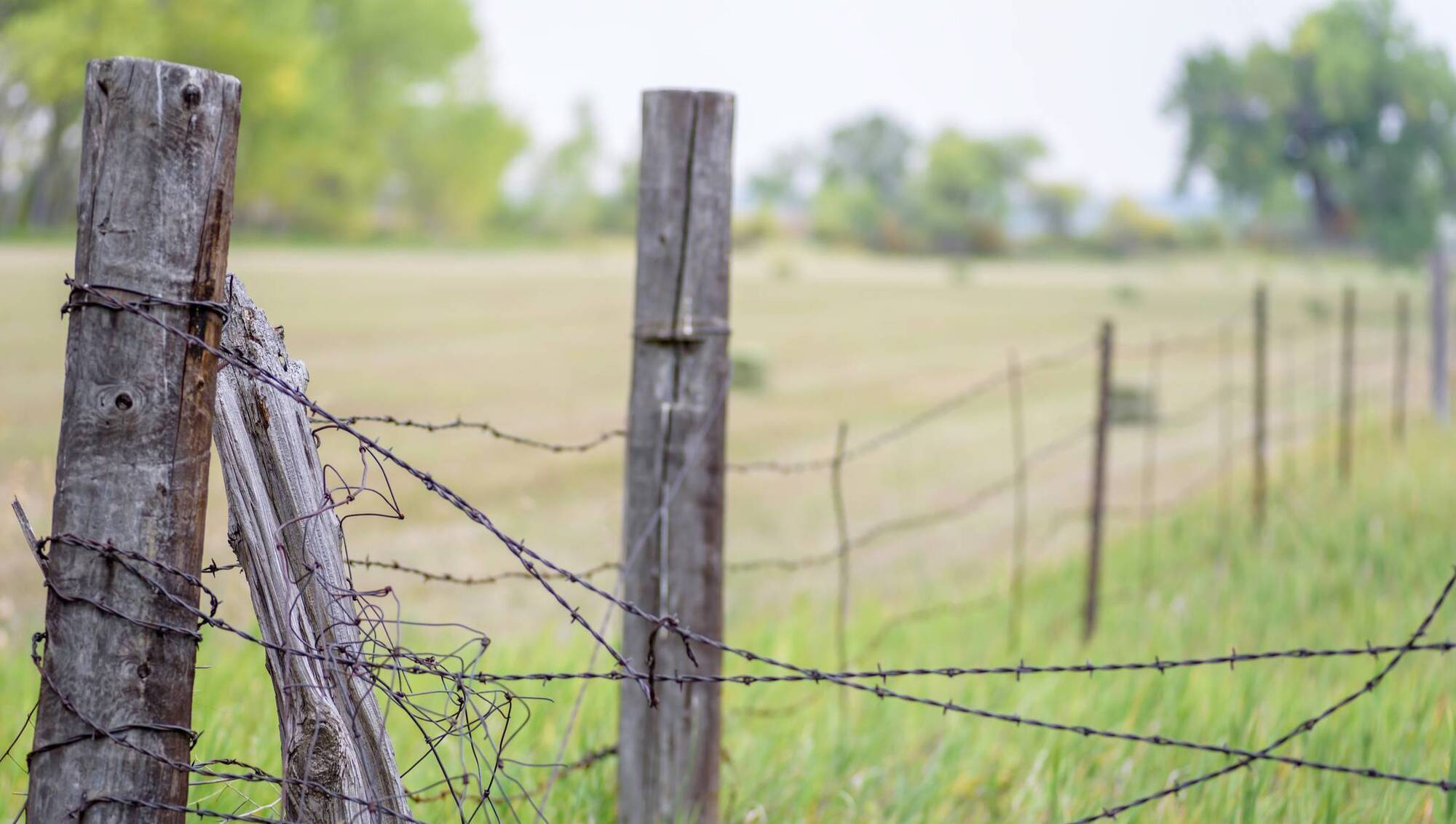
Escaped cattle have repeatedly damaged a sheep farmer’s fencing, grazing land and equipment. Rural solicitor Karen explains how farmers can document their losses and seek compensation while trying to preserve good neighbourly relations.

Dear Reader,
Disputes involving wandering livestock are unfortunately a common source of conflict between neighbouring farmers. While most landowners wish to maintain good working relationships, it is equally important that losses caused by another person’s livestock are properly addressed.
In general, livestock owners are responsible for taking reasonable steps to ensure that their animals are adequately contained. Where cattle escape and cause damage to neighbouring lands, the owner may be liable for the losses that result.
Read More
The first step is to carefully document the damage. Photographs of damaged fencing, gates, water troughs, crops or grazing land can prove invaluable if the matter later becomes disputed. It is also advisable to keep records of any expenditure incurred in carrying out repairs or replacing damaged property.
Where livestock have affected your own animals, additional records should be maintained. Veterinary invoices, treatment records, evidence of livestock losses and details of any impact on breeding or production may all be relevant in assessing your losses.
In many cases, these disputes can be resolved amicably once the extent of the damage has been established. A clear written request setting out the losses incurred can often lead to an agreement being reached without the need for legal proceedings. It is generally preferable to attempt to resolve matters in this way, particularly where neighbouring landowners will continue to interact for years to come.
However, repeated incidents can alter the position significantly. If livestock have escaped on multiple occasions, it may become more difficult for the owner to argue that the incident was unforeseeable or unavoidable. Previous complaints, requests for repairs to fencing or earlier incidents may all become relevant if a dispute escalates.
An important practical consideration is identifying the source of the escape. Sometimes a disagreement arises as to whether the livestock entered through a defective boundary fence, a gate left open, storm damage or another cause entirely. Establishing the facts at an early stage can prevent matters becoming unnecessarily contentious.
It is also worth considering insurance. Depending on the circumstances, the livestock owner may have insurance cover for claims arising from damage caused by their animals. Raising the matter promptly may allow the insurer to become involved before positions become entrenched.
Where a resolution cannot be achieved, legal remedies may be available to recover the cost of repairs and other proven losses. As with any claim, the burden will be on the injured party to establish the extent of the damage suffered and to provide supporting evidence.
The key message is that farmers should not simply absorb losses caused by the livestock of others. Equally, early communication and a practical approach often provide the best opportunity for preserving neighbourly relations while ensuring that genuine losses are compensated.
If the losses are significant or if the incidents continue to occur despite complaints, independent legal advice should be obtained at an early stage so that your position can be protected and appropriate steps taken.
Email: info@walshandpartners.ie
- While every effort is taken to ensure the accuracy of the information contained in this article, Karen Walsh does not accept responsibility for errors or omissions howsoever arising. Readers should seek legal advice in relation to their particular circumstances at the earliest opportunity.