Ask a solicitor: What should I do when a right of residence remains on the title?
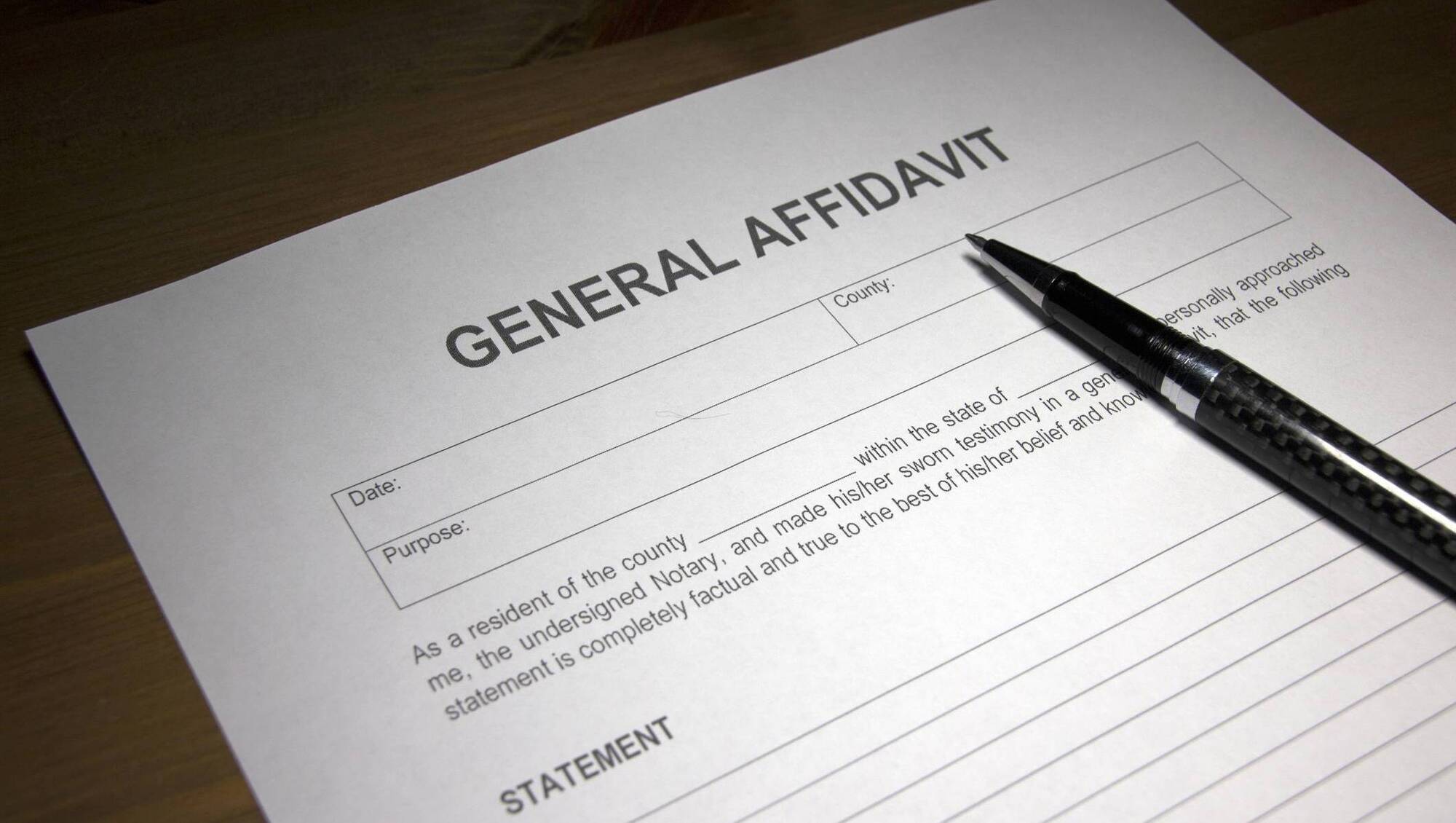
A sworn Affidavit is then prepared, typically by a solicitor. This document confirms the identity of the deceased, verifies that they are the same person referred to in the title, sets out the date of death and states that the right in question was personal and has now ceased.
We are in the process of transferring part of our land to one of our children, but when reviewing the title, we discovered that there is a long-standing right of residence in favour of a family member who passed away several years ago.
We had assumed that this would no longer be an issue, but our solicitor has raised it as something that needs to be formally addressed before the transfer can proceed. We had not realised that these types of rights remain on the title after death.
Is this something that needs to be dealt with, and what is involved in having such a right removed?
The situation you describe arises quite frequently, particularly where land has been passed down through generations with provisions made for parents or other family members.
It is common in Irish property transfers for rights of residence, maintenance or support to be created in favour of a family member at the time the property is transferred. These rights serve an important purpose in protecting that person during their lifetime. However, difficulty can arise where the person entitled to the benefit has since died, but the burden remains registered on the title.
Read More
A key point to understand is that such rights do not automatically disappear from the Land Registry folio on death. Even where the right has clearly come to an end in practical terms, it remains a registered burden until it is formally removed. This can present issues where the property is being transferred, sold or used as security, as a clear and marketable title is required.
From a conveyancing perspective, any third party, whether a purchaser, lending institution or their solicitor, will typically require confirmation that the right is no longer enforceable. Without this, a transaction can be delayed or may not proceed at all.
The starting point is to examine the folio alongside the original deed that created the right. This is necessary to confirm the nature of the burden and, importantly, whether it was intended to be personal to the beneficiary and limited to their lifetime.
Once that position is confirmed, the next step is to obtain the death certificate of the person in whose favour the right was created. This provides formal evidence that the benefit can no longer be exercised.
A sworn Affidavit is then prepared, typically by a solicitor. This document confirms the identity of the deceased, verifies that they are the same person referred to in the title, sets out the date of death and states that the right in question was personal and has now ceased.
In some cases, it may also include confirmation that no other party has acquired any continuing entitlement under the original arrangement.
Following this, an application is made to Tailte Éireann to cancel the burden. This involves lodging the appropriate documentation, including the Affidavit and death certificate, together with the required application. In straightforward cases, this is largely an administrative process, although processing times can vary.
In certain situations, particularly where the right relates to a specific dwelling or defined portion of the lands, further clarification may be required. However, where the right is clearly limited to the lifetime of the person concerned, additional steps are often minimal.
Once the Land Registry is satisfied, the burden will be formally removed from the folio. At that point, the title is updated and the property can be dealt with without the complication of the historic right.
This issue frequently arises in farming families, where land has been transferred subject to a parent's right of residence or maintenance. While these arrangements are essential at the time they are created, it is important that they are addressed once they have come to an end.
In practice, dealing with such matters at an early stage, rather than at the point of sale or transfer, can avoid delays and additional cost. It also ensures that the title properly reflects the current position.
You may wish to engage a solicitor to review the title and manage the application, as careful preparation of the documentation will help ensure that the matter is resolved efficiently and without difficulty.