Ask a solicitor: My stud bull died after treatment — can I claim against the vet?
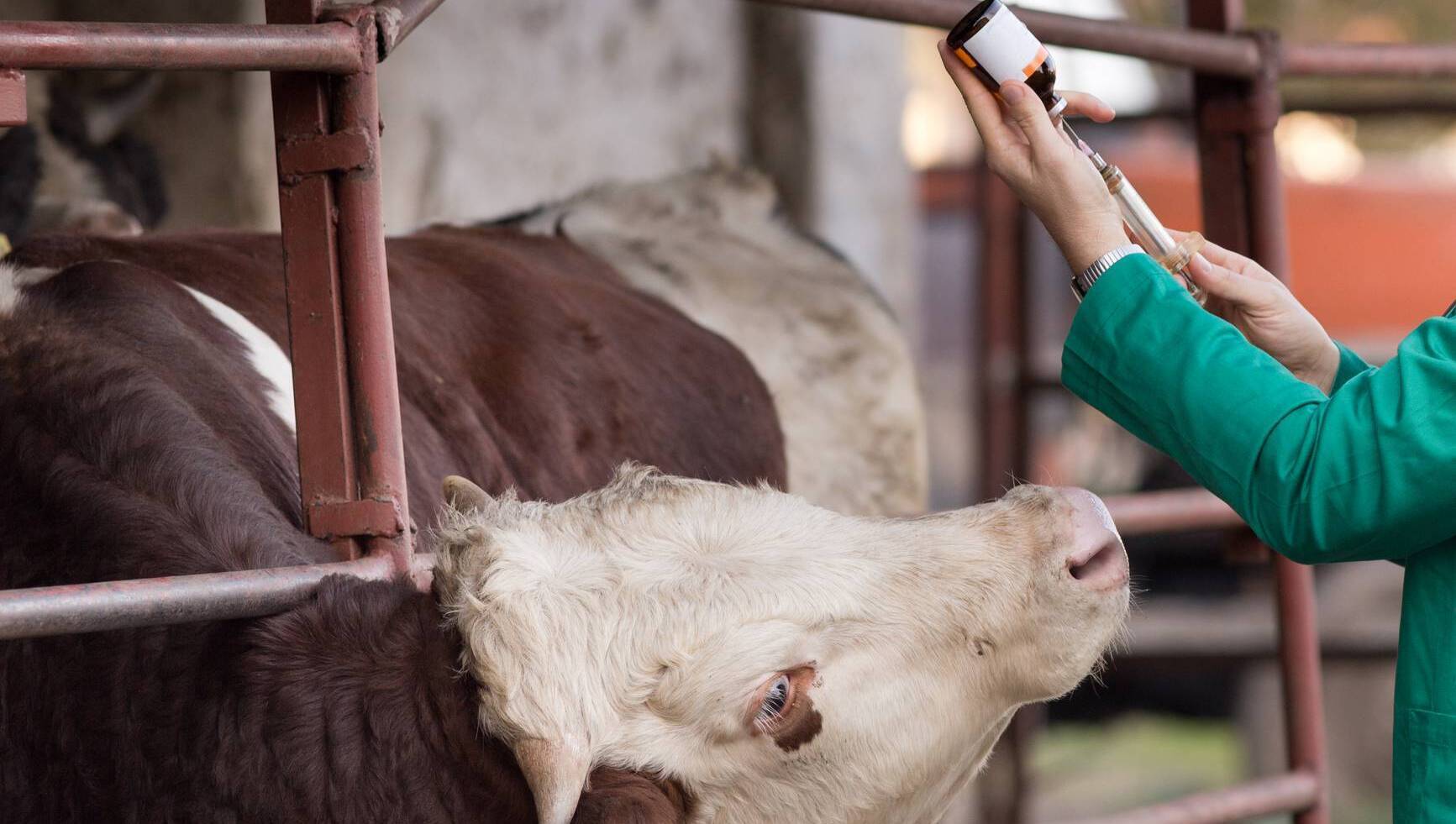
Animals, like people, can sometimes fail to respond to treatment despite appropriate care being provided. Equally, certain conditions may be difficult to diagnose, particularly where symptoms are unclear or multiple conditions are present.

Dear Reader,
The loss of a valuable stud bull can have significant financial consequences for a farming business, particularly where the animal plays an important role in breeding and herd improvement. However, the fact an animal dies following treatment does not automatically mean a vet has been negligent.
Under Irish law, veterinary professionals owe their clients a duty to exercise reasonable skill, care and competence when providing treatment. The test is not whether the treatment was successful, but whether the vet acted in accordance with the standard that could reasonably be expected of a competent veterinary practitioner in similar circumstances.
Animals, like people, can sometimes fail to respond to treatment despite appropriate care being provided. Equally, certain conditions may be difficult to diagnose, particularly where symptoms are unclear or multiple conditions are present.
In order to establish a claim for negligence, it is generally necessary to show the vet breached the appropriate standard of care and this breach directly caused the loss suffered. Examples might include a failure to carry out appropriate examinations, prescribing an unsuitable treatment, administering medication incorrectly, failing to recognise obvious warning signs, or delaying necessary intervention. Each case, however, turns on its own facts.
Read More
One of the most important pieces of evidence will be the veterinary records. These records should detail examinations carried out, diagnoses considered, treatments prescribed, medications administered and follow-up recommendations.
An independent veterinary expert is often required to review those records and provide an opinion as to whether the treatment fell below an acceptable professional standard.
Claims involving professional negligence are often complex and expert evidence is usually required before any definitive conclusion can be reached. For that reason, it is generally advisable to seek legal advice as soon as possible, particularly where the animal was of significant value and substantial losses are alleged.
It is also important to consider the extent of the loss. With a pedigree or stud bull, the loss may extend beyond the animal’s market value. Factors such as breeding potential, pedigree history, proven performance and the cost of obtaining a suitable replacement may also be relevant. Proper documentation, including purchase records, pedigree certificates and breeding records, can be helpful when assessing any potential claim.
Before commencing legal proceedings, it is often sensible to raise concerns with the veterinary practice and seek an explanation. There may be information which has not yet been considered and, in some cases, concerns can be addressed without the need for litigation.
Obtaining a second veterinary opinion at an early stage can also assist in understanding whether there is a realistic basis for a claim.
While not every poor outcome amounts to negligence, neither should farmers assume they are without recourse where genuine mistakes have occurred. Early investigation, preservation of records and independent expert review are usually the first steps in determining whether a claim exists and whether it is worthwhile pursuing.
As difficult as these situations can be, obtaining professional advice at an early stage will help establish the facts and allow you to make an informed decision on how best to proceed.
Email: info@walshandpartners.ie
- While every effort is taken to ensure the accuracy of the information contained in this article, Karen Walsh does not accept responsibility for errors or omissions howsoever arising. Readers should seek legal advice in relation to their particular circumstances at the earliest opportunity.