Herd Tasks: Your weekly farming checklist
Don't stretch the rotation much beyond 25-26 days, as quality will deteriorate rapidly after that, advises ruminant nutritionist Brian Reidy.
Apart from a few thundery showers last Tuesday, it looks like the weather will remain dry for a while yet, so it is essential you manage your grazing rotation to ensure you keep grass ahead of stock. We can only hope that the rain forecast for this weekend actually falls.
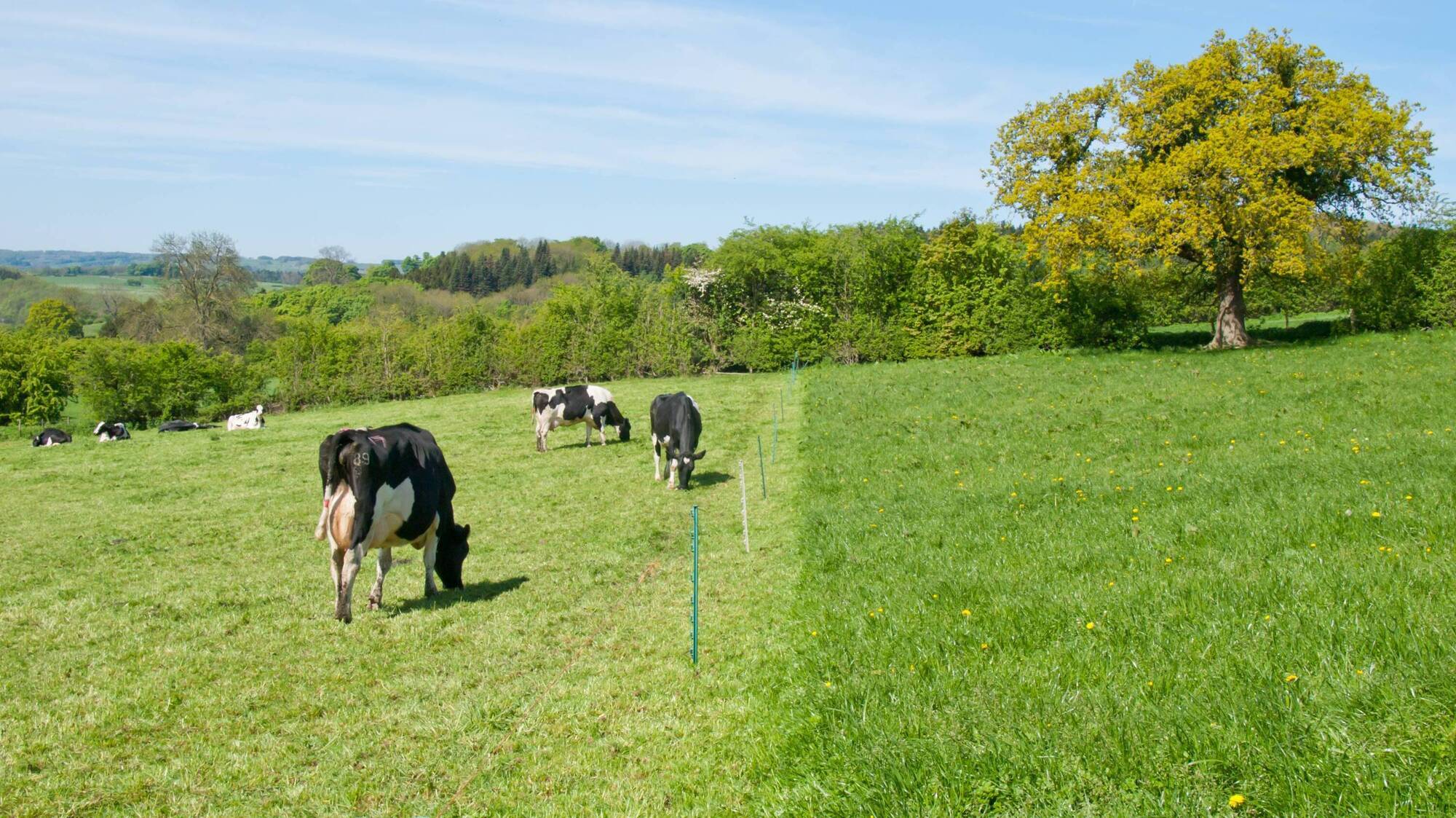
- Don't stretch the rotation much beyond 25-26 days, as quality will deteriorate rapidly after that. Increase supplementation if necessary to maintain a rotation length that continues to supply quality grass to stock.
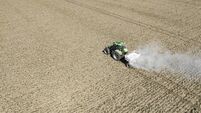
- Keep fertiliser applications up to date to take full advantage of the growth that moisture will bring.
- Try to prioritise the best-quality grass for the most productive stock on the farm.
Aim to keep intakes up by strip-grazing heavier covers and allocating quality grass by night where possible. Many are now needing to supplement with maize, wholecrop or quality bales to stretch grass as it disappears due to a severe moisture deficit. Feeding significant amounts of dry matter indoors is now a reality and could be for a number of weeks. With no rain in the long-term forecast into August, it could be closer to September before growth recovers.
- Are cows' yields dropping much faster than in previous years? This is mostly down to insufficient dry matter intakes.
- Have milk solids dropped? Energy drives milk protein, while fibre intake and digestion drive butterfat.
- Keep a close eye on milk urea levels, as this is an indicator insufficient protein is being fed from both the grass and any supplementation.
- Sucklers with calves at foot should be the priority for grass allocation, followed by finishers, maiden heifers and weanlings.
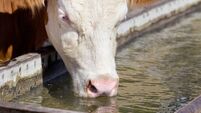
- Continue to supplement suckler cows at grass with magnesium to prevent tetany, either through bucket licks or by adding it to water.
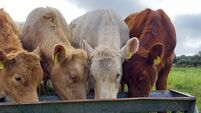
- Consider introducing creep meal to reduce grass demand and take some pressure off cows where grass is running out.
- For autumn calvers, keep vaccinations up to date and supply pre-calver minerals.
- Summer always brings challenges for weaned calves as they get used to grazing for their first season. Keep supplementing with concentrates to optimise growth, supply minerals and complement available grass.
- If weaning has occurred in the suckler herd, watch individual weanlings for signs of stress. Are they eating the meal being allocated? Are they grazing or eating silage properly? Are they panting, leaving the group for long periods or lying down for prolonged spells?