The dangers of Tetany in sucklers when grazing this October
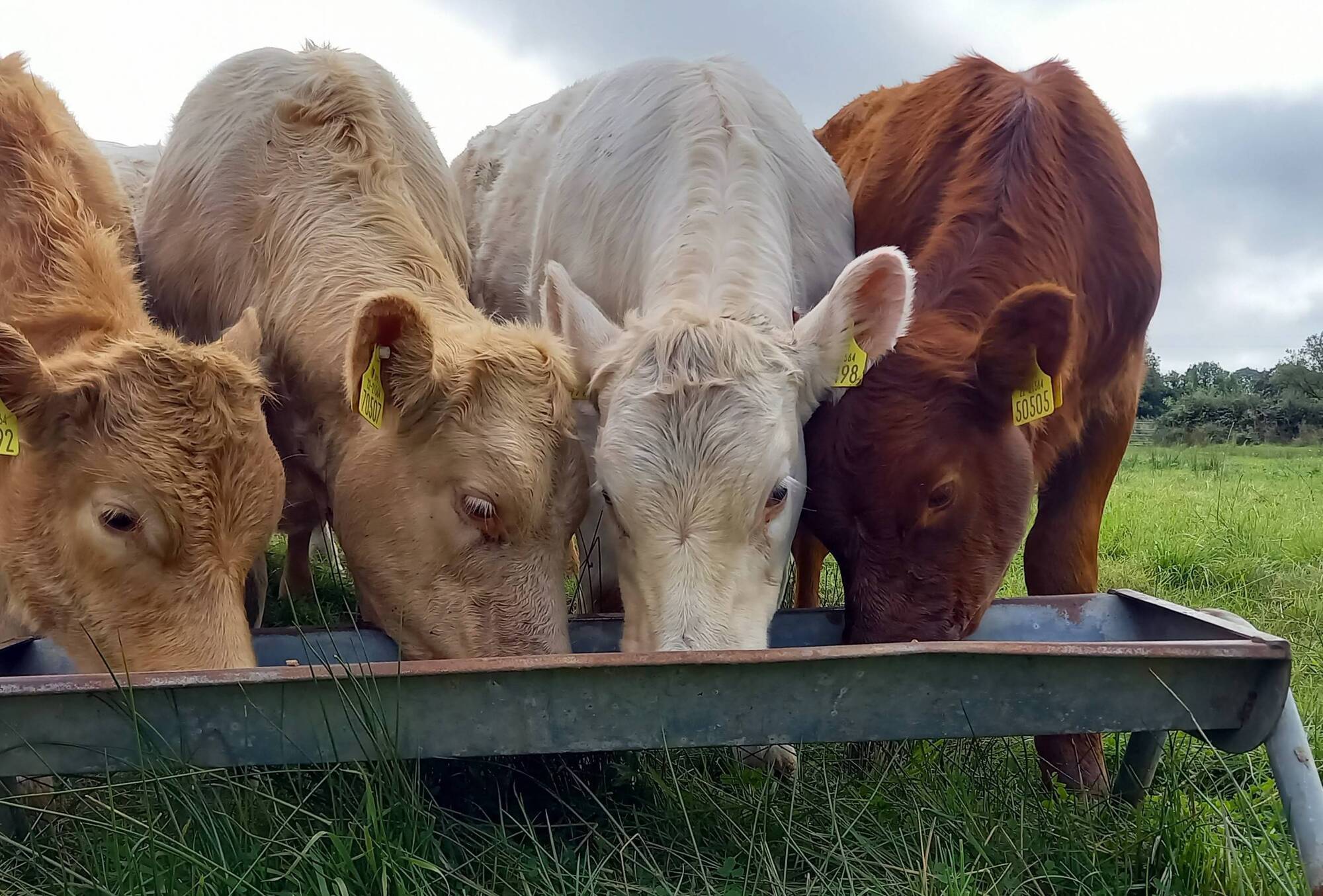
A wet, cold autumn spell can trigger a rapid drop in their blood magnesium levels, leading to sudden death in the field.
Last Monday morning was very eventful at home. Early in the morning, I got a collar alert to tell me that there was a heifer close to calving. I headed for the yard and moved her into a pen so I could observe her on the camera.
After that, I headed out to see the newborn calves and their mothers and then over to see the cows from late last year and early this year still rearing calves. On my way out of the fresh group, I got a very helpful phone call from a neighbour to tell me that there was a black cow standing on her own away from the rest of the group. By the time I got there, she was lying down, and I took a few attempts to get her standing. She was staggering, and I suspected Tetany immediately and called the Vet. I walked her slowly back to the yard, and the vet arrived soon after. Amazingly, the paddock the cows and calves were in on Monday morning was not as lush as it had been since last Wednesday.
In the meantime, there was another collar alert from the heifer to tell me she was calving. When our vet had finished administering a bottle of magnesium into the vein, and a second under the skin, we headed over to the heifer who was not advancing to handle her. On inspection, she was ready to calf but had a twist in the womb. The collar was telling us she needed help. Thankfully, it was possible to right it, so on with the ropes and slowly but surely, we had a calf on the ground. The cow with tetany and the collar alert resulted in a live calf. Now, it's not all plain sailing as today, Tuesday; I suspect that calf has an incomplete digestive tract, has not dunged yet and may not make it. Oh, the joys of farming, warts and all.
On a side note, I had a fresh cow with milk fever last week, and coincidentally both cows with tetany and milk fever are Angus cows out of dairy cows. The cow we are being pushed towards! This type of cow has too much milk for single suckling, and their udders tend to give up with age. It will be all white or red cows at home from next year!
Grazing October grass requires extra vigilance compared to dairy herds. Because sucklers rarely come back to the yard, they don't get a guaranteed, individual ration of magnesium. A wet, cold autumn spell can trigger a rapid drop in their blood magnesium levels, leading to sudden death in the field.
Here is the targeted action plan for managing sucklers on autumn swards.
If you find a suckler cow down, staggering, or acting highly aggressive, treat it as a veterinary emergency.
- Suckler cows with low magnesium are highly sensitive to noise and handling. Stress can trigger a final, fatal seizure. Keep dogs away and move quietly.
- Subcutaneous Magnesium: If the vet is delayed, a farmer can inject 100ml of warm magnesium sulphate (25% solution) subcutaneously (under the skin) across 4 or 5 different sites on the neck or shoulder. Never inject magnesium sulphate directly into the vein yourself, as it can stop the heart.
Because you cannot easily feed individual meal rations to sucklers on grass, you must rely on a combination of free-access methods and dietary fibre.
- This is the most popular method for sucklers. To make this effective, you must place and scatter them across the field. If you only put out one bucket, dominant cows will guard it, leaving vulnerable cows unprotected.
- Lush, wet October after-grass shoots through the cow’s digestive tract. Providing a bale of straw or hay encourages the cows to eat structural fibre. This slows down the transit time in the rumen, giving the cow more time to absorb what little magnesium is in the grass.
- If you are handling the cows soon (e.g., for weaning or scanning), consider administering slow-release magnesium boluses. These sit in the reticulum and release a steady stream of magnesium for roughly 3 to 4 weeks, providing peace of mind during the high-risk autumn window.
- If the weather is damp and a group is tightly grazing a paddock, you can dust the grass with using a fertiliser spreader at a rate of 15–17 kg/hectare (approx. 0.5 kg per cow per day). The powder sticks to the wet grass leaves, ensuring they ingest it as they graze.
- Adding soluble magnesium chloride or sulphate to the drinking troughs can work, but it is . If it rains, suckler cows will drink from puddles and drains instead of the trough, receiving zero medication.