Now is the time to get ahead with your winter feed budget
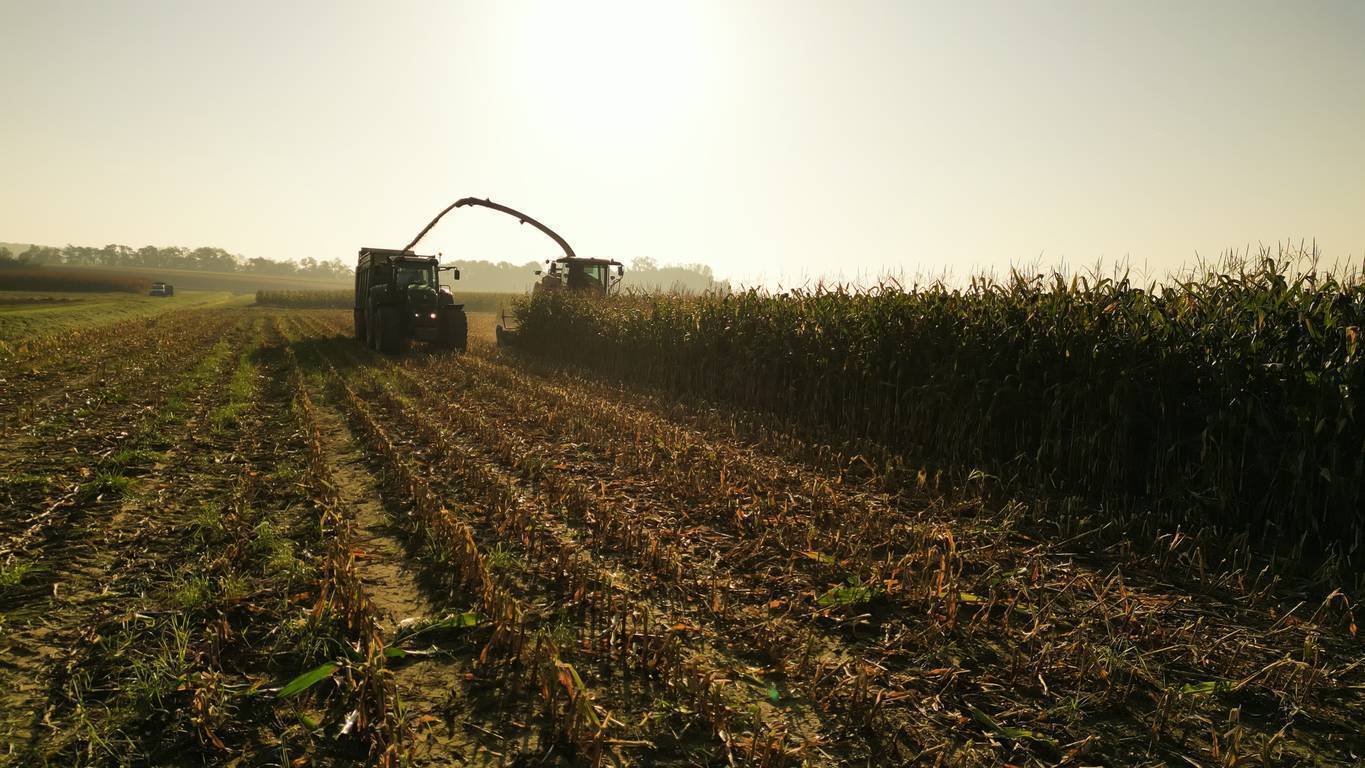
The harvest of wholecrop cereals will start soon and crops are pretty variable, as some were significantly affected by late drilling and all of the wet weather, writes ruminant nutritionist Brian Reidy.

The harvest of wholecrop cereals will start soon and crops are pretty variable, as some were significantly affected by late drilling and all of the wet weather, writes ruminant nutritionist Brian Reidy.

I have just started to prepare feed budgets for nutrition customers for the coming winter. It may only be the end of June, but plans for winter feeding are already being put in place. Second-cut silage will be saved over the coming weeks. 

If extra stock are to be wintered this year, additional fodder will be required, so assessing requirements sooner rather than later is essential. For some, it will be more of an issue, as the poor growth of April, May and early June will have meant that little or no surplus bales have been made from the grazing platform.


Getting forage stocks in the yard

Any second cuts will be saved over the coming weeks and you should then be in a position to put together your winter feed budget. Some third-cut silage and bales will still be made, but the vast majority of winter forage will be saved once second cuts finish, unless you have wholecrop or maize silage to cut.

The harvest of wholecrop cereals will start soon and crops are pretty variable, as some were significantly affected by late drilling and all of the wet weather. 

For those harvesting wholecrop, please ensure that the grain is cracked properly, as if stock consume underprocessed grain they will not get the full value from the crop at feed-out. There is nothing worse than producing a quality crop and then seeing stock dung out grain due to poor harvesting practices.

The main cereal harvest is also not far away and hopefully the weather will be kind. Winter barley will be the first to be combined. The price of grain off the combine again looks like being low for the grower and will again represent value for livestock farmers. 

If at all possible, it should be traded farm to farm to keep animal production and feed costs down. Native barley, wheat and oats are exceptionally high in starch and energy and, when preserved and balanced well, will help to improve animal performance and greatly reduce costs. If you have the facility to store grain for the winter, now is the time to make plans.

This year's maize silage crops have looked very good over the last week after the warm weather gave them a great boost. They had looked a little sorry for themselves before that. Fodder beet crops have also filled out very well in recent days. 

Maize, wholecrop and beet may be good options to purchase if you discover that you will not have enough of your own silage. All three will be significantly higher in energy and feed value than any grass silage that might be available to purchase. I have been approached by two growers in the last few days telling me that they have some extra maize available for sale.

Booking straw pre-harvest

Calculate your requirements and book your full requirement well before it ever sees a combine, never mind a baler. Try to base your order on tonnes required rather than just a number of bales if you intend to feed some straw, as bale weights can be variable. The same size bale could be bad or good value depending on its weight.

Performance from grass

Grass has only recently begun to grow very well, but be aware that it is significantly lower in dry matter than it was a few weeks ago. Dry matter levels as low as 11-14% are common, particularly in rapidly growing swards. 

This will be an issue, particularly for cattle intended to finish off grass. Low dry matter grass will not maintain steady weight gain and will result in poor fat cover. In this instance, a feed adjustment may be necessary and a low-protein concentrate introduced pre-slaughter. 

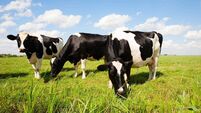
All other stock are performing pretty well on properly managed grass. Many have experienced huge growth rates in the last week and surpluses need to be identified quickly so that inappropriate grass is not being fed. Keep grass growing well with sufficient fertiliser application.

x

More in this section

Farming

Newsletter

Stay ahead of the season. Sign up for insights, expert advice and stories shaping Irish agriculture.

Cookie Policy Privacy Policy Brand Safety FAQ Help Contact Us Terms and Conditions

© Examiner Echo Group Limited