Closed-period slurry spreading linked to river pollution in Meath study
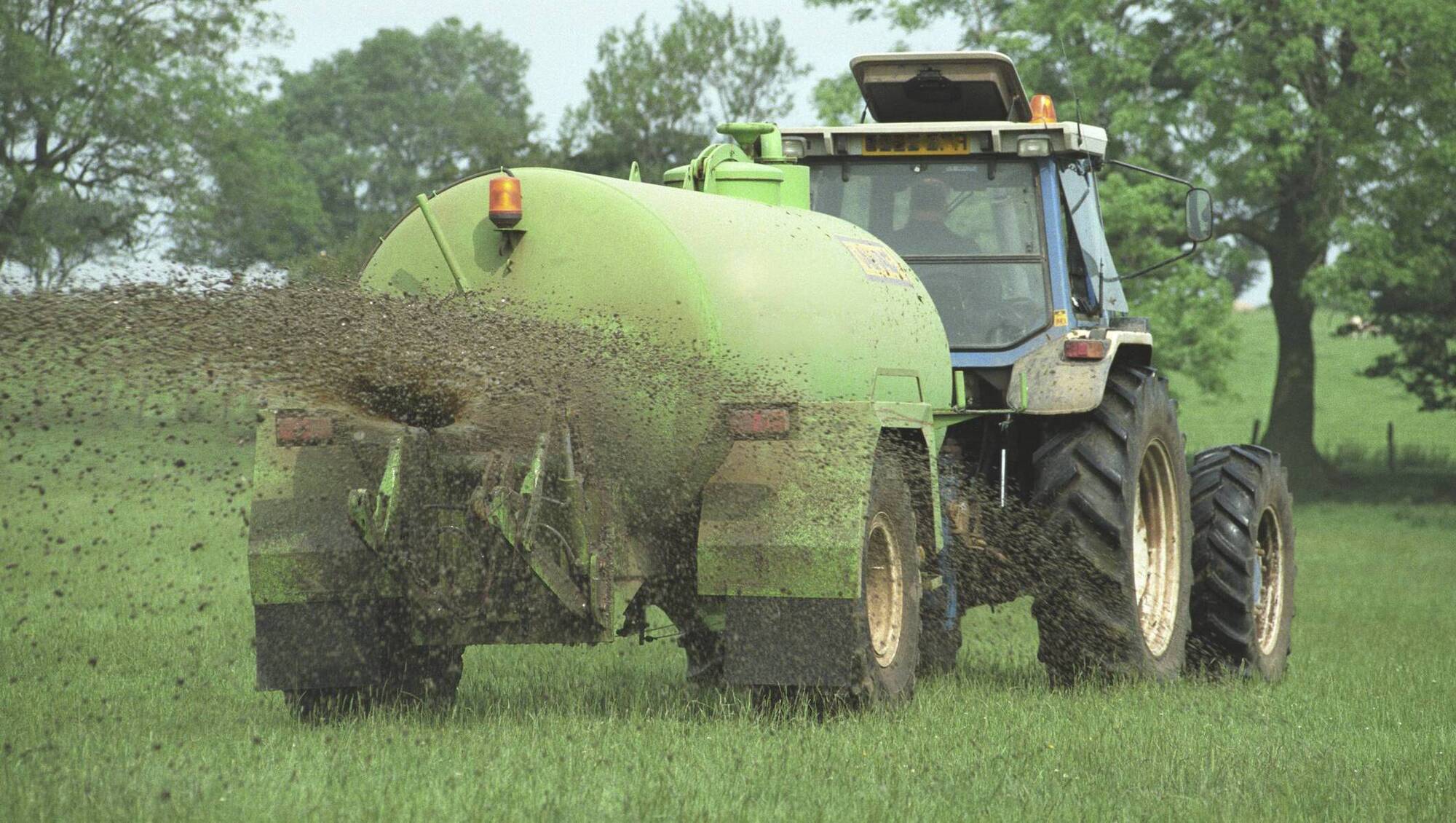
Phosphate loss into water during wet weather had been identified earlier, leading to chemistry sampling to determine if slurry was spread in the closed season, and if nutrients were entering the rivers
Phosphate loss into water during wet weather had been identified earlier, leading to chemistry sampling to determine if slurry was spread in the closed season, and if nutrients were entering the rivers. File picture

Phosphate loss into water during wet weather had been identified earlier, leading to chemistry sampling to determine if slurry was spread in the closed season, and if nutrients were entering the rivers. File picture

In a week of bad news for water quality, newly published results showed spreading slurry in the closed period is part of the problem.

Chemistry sampling at 15 sites in Moynalty, Co Meath, in the 2024/25 winter revealed spreading continuing after the September 30, 2024, last date for spreading, set by the Nitrates Action Programme.


The investigation by the Local Authority Waters Programme showed increased pollution in local rivers which were assessed before, during, and after the closed period for slurry spreading.

Phosphate loss into water during wet weather had been identified earlier, leading to chemistry sampling to determine if slurry was spread in the closed season, and if nutrients were entering the rivers.

Three waterways in areas of steep slopes and poorly draining soils were selected for testing before September 30, every fortnight in the closed period, and weekly after the open period for slurry spreading started.

All 15 samples collected on September 27 exceeded environmental quality standards for ammonium, phosphate, and biochemical oxygen demand (which measures organic pollution).

Up to February, 14 rounds of chemical sampling followed, and there were two instances of the three environmental quality standards being exceeded, attributed by the Local Authority Waters Programme
to nutrients being washed into waterways upstream, from closed-period slurry spreading.

As a result, Agricultural Sustainability Support and Advisory Programme advisers were asked to visit upstream farmers and work with them to improve management of the land, farmyards, and nutrients.

The Local Authority Waters Programme works on behalf of Ireland’s 31 local authorities to protect and restore water quality through catchment science and local community engagement.

Meanwhile, an Environmental Protection Agency water quality report for 2025 said there was little change compared to 2024, with quality unsatisfactory in many areas, with excess nutrients from agriculture and wastewater as the greatest challenges.

Some areas showed improvement, but these were offset elsewhere, and a decline in high-status water bodies was “a serious warning sign”.

According to the report, 54% of rivers and lakes had good or better biological quality A recent fish kill in Co Louth, where the source of the pollution was identified as an agricultural discharge, has added to water quality worries.

And 43% of farms were found to be non-compliant when local authorities inspected 4,315 farms in 2025. But follow-up inspections found nearly half of those non-compliant had remediated their issues to become compliant. The main reasons for the non-compliances included poor control of soiled water, discharges, and inadequate management of farmyard manure.

In the Dáil, Taoiseach Micheál Martin acknowledged there are significant water quality issues, despite initiatives to help farmers, such as the €60m Farming for Water EIP, the Local Authority Waters Programme, ASSAP, and ACRES.

More than 5,500 farmers have applied for the EIP financial support for targeted water-quality actions.

The ASSAP provides a free advisory service to farmers to help improve water quality.

Meanwhile, TAMS 3 funding is available for manure storage and low-emission slurry spreading equipment.

IFA president Francie Gorman said he was disappointed with the lack of water quality improvement.

There have been non-compliances by Uisce Éireann also, with an EPA report last October finding 59% of Ireland’s treatment plants failed to consistently meet the treatment standards necessary to prevent pollution in 2024.

Inadequate infrastructure and poor operation and maintenance of treatment plants were blamed.

The EPA has also found almost six out of 10 domestic septic tanks failed inspections in 2025, putting drinking water wells and rivers at risk.

More in this section

Farming

Newsletter

Stay ahead of the season. Sign up for insights, expert advice and stories shaping Irish agriculture.

Cookie Policy Privacy Policy Brand Safety FAQ Help Contact Us Terms and Conditions

© Examiner Echo Group Limited