Reaping the rewards of planning in 'snatch and grab' silage season
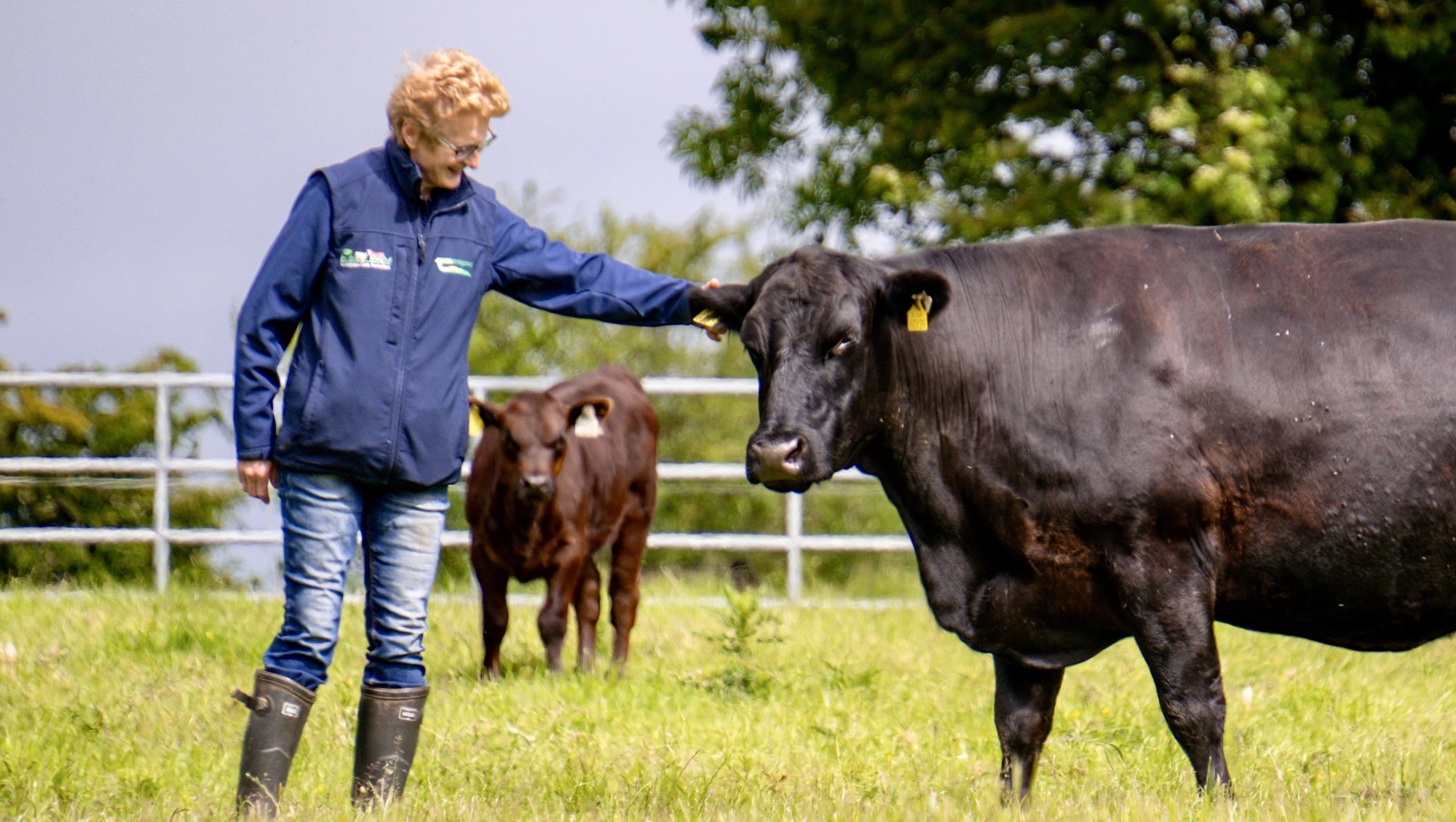
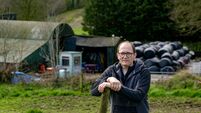
A trip to Brussels for an international award is the icing on the cake as Cork organic farmer Kay O'Sullivan writes this month's Farming Examiner column. Picture: Chani Anderson
This year has certainly been a case of "snatch and grab" when it comes to making silage. Thankfully, thanks to my very reliable contractors, all of the first-cut silage was cut and baled during the recent spell of fine weather.
One of the great benefits of carrying out weekly grass measurements at this time of year is that it allows me to identify and close off strong paddocks for silage. The silage ground received 2,500 gallons of slurry, and I plan to take a second cut towards the end of August.
I now have 20ac of red clover silage. I sowed an additional five acres in May, and it is growing well. I am hoping to cut this new reseed in September, but first I will allow it to flower. The Egyptian clover, Persian clover and Westerwold's grass mixture is also performing well and will be harvested for silage later in the season.
Breeding is going very well this year. Angus is the main breed on the farm, and I use 100% AI. This year I am using the following sires: AA8409, AA2548, AA2603, AA1320 and AA9860. My sire selection is based on carcass weight, docility, daughter milk and calving ease.
Over the last number of years, I have focused on improving the replacement index within the herd. From this year onwards, my focus is shifting towards improving the terminal index. The herd is closed, with no animals purchased in.
The suckler cows have access to a high-magnesium, high-fertility mineral lick. I have also selected my replacement heifers for breeding, and they will join the main suckler herd. Heat detection patches will be applied to the heifers in advance of breeding.
The remainder of the cattle, which I am currently finishing, will remain on the best-performing multispecies swards, including last year's reseed. This year's multispecies reseed should be ready for grazing in early July.
The cattle are being finished entirely off a grass-based system, with no meal feeding. They are expected to finish at approximately 18 months of age. They will be weighed again next week and, based on their previous weights, are already booked with Good Herdsmen, the main organic processor, for slaughter in early September.
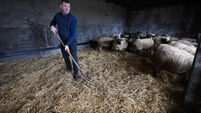
The sheep have now been shorn. Both ewes and lambs have been faecal sampled, with negative results, so no treatment is currently required. In three weeks' time, they will receive a Clikzin pour-on treatment to prevent blowfly strike. The lambs will also be weighed and weaned before being moved onto this year's multispecies swards.
I will be sowing Redstart again this year. Redstart is a cross between kale and rape, and I plan to grow approximately five acres. It is used as a winter forage crop for the weanlings.
The animals are weighed before and after grazing the crop, and this year the average daily liveweight gain achieved was 1.15kg. When the calves are weaned, they will be gradually introduced to the Redstart crop in November. They will have access to a clean, dry lieback area and will be fed the best-quality red clover and multispecies silage.
All silage is tested annually. Last year's silage returned a DMD of 75% and a protein content of between 18% and 19%. Fresh, clean water will be available at all times.
The weanlings also receive a bolus before being introduced to the Redstart crop, as it is naturally low in iodine, copper and selenium.
Before purchasing Redstart seed, I must first obtain a derogation from my organic certification body, as organically produced seed is not available. Once approval has been received, I can then purchase the seed.
I have been growing Redstart for the past five years and have found it to be an excellent winter forage crop. It delivers strong weight gains and is a relatively easy crop to grow under organic farming conditions.
I have received word that I am a finalist in the EU Organic Awards 2026. I was one of three farmers nominated in the Best Organic Female Farmer category and am now one of 21 finalists from 12 EU countries.
The winners will be announced at the official ceremony in Brussels on September 23 as part of the annual EU Organic Day celebrations. So I will be getting ready to head over there in late September.
- Kay O'Sullivan is an organic farmer from Mourneabbey, Co Cork, and a participant in the Signpost Future Beef Programme.