Brian Reidy: Don’t bank on autumn grass to solve winter fodder shortfall
With drought eating into winter fodder stocks, now is the time to do the sums and plan how to bridge any feed deficit, writes ruminant nutritionist Brian Reidy
Growth has remained non-existent in the south and east of the country, as the rain over the bank holiday weekend was nowhere near enough to boost and sustain normal growth rates.
At this time of year, the focus is always on plans to build covers for the autumn to extend grazing, followed by closing dates to ensure grass is available the following spring.
This year, however, most have no grass to graze, never mind trying to build acceptable covers so that they can eliminate supplementation, even for a while.
It is important to get the very best value out of grass swards from now on, once growth returns, in order to delay winter housing. This is even more important on farms where fodder for the winter is going to be tight.
Read More
A lot of herds have been feeding large volumes of forage each day for some time and this has eaten significantly into winter stocks.
In 2018, when we got rain and growth recovered, we got bumper crops of silage in September and October, but we can’t hang our hat on this happening this year.
I have completed some feed budgets for clients over the last few weeks. Forage stocks vary from having a slight surplus to having approximately 50% of requirements.
One thing I have stressed to all farmers is the need to sit down, establish shortfalls and source the most suitable feeds for their system.
Whatever they buy should achieve the required animal performance above all. Cheap feeds that don’t achieve acceptable animal performance are not the ideal solution.
Whether you intend to sell, feed, or breed stock after the winter, underperforming stock are not what you want next spring.
In my view, you must do a feed budget for a 150-day winter and plan to have some form of forage still in the yard beyond April 1.
A feed budget should take some time to construct if it is to be accurate. It is a costly exercise to get wrong or rush through as just another form-filling exercise.
Remember that, particularly this year, one size will not fit all. A farm’s set-up, facilities, equipment, animal type and the farmer’s management skills will determine how you go about filling any feed deficit this winter.
Some feeds and forages available for purchase will suit some set-ups and not others. Tease out all options carefully before sourcing replacement feed stocks.
If we get rain soon, it will still be September before we have volumes of grass again and, as we know, grass of all types is generally very soft and low in dry matter from here on in.
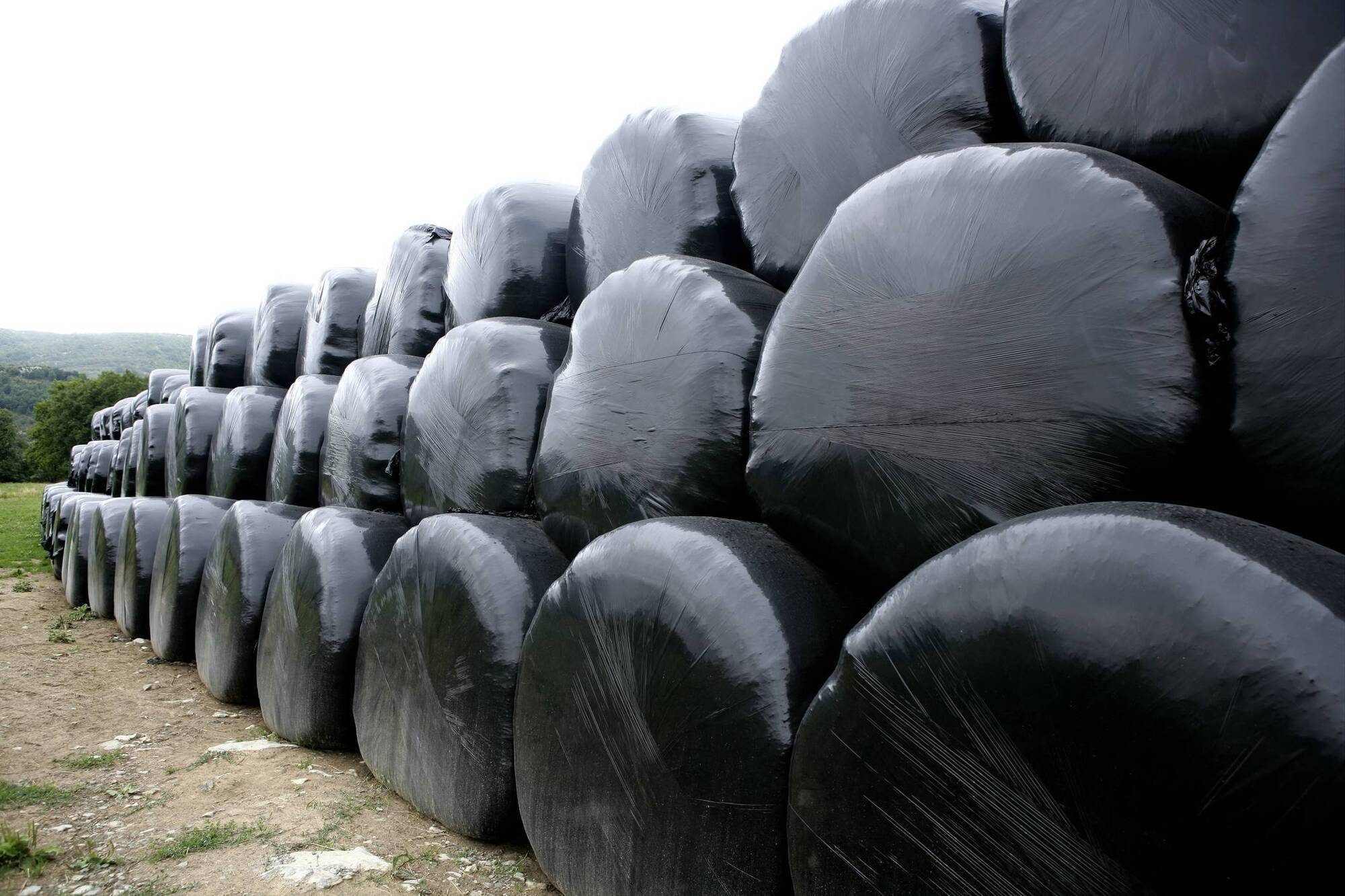
This will mean lower dry matter intakes for cattle. Any silage being harvested will also be low in dry matter and, where possible, will need a significant amount of wilting. This is particularly important where bales are being made.
Sugar levels in autumn grass drop dramatically, resulting in poorer fermentation when ensiled.
In many herds, supplementation with forage and concentrates won’t stop if grass covers don’t recover until September, as that grass alone won’t maintain animal performance from then on.
The cereal harvest has come to an end, with a lot of excellent quality reported despite the drought.
Grain continues to be traded from farm to farm and native cereals represent the very best value available to beef and dairy farmers this winter.
If you can store and feed it successfully, it is not too late to buy grain locally. Obviously, cash flow will dictate whether this is a possibility for you.
The reality is that increasing prices for imported straights will result in high concentrate costs over the winter. Buy now to save later.
If you are going to be tight on silage, cereals and straw, a small amount of protein can easily replace it and be cost-effective.
- Brian Reidy is an independent ruminant nutritionist at Premier Farm Nutrition. His column features in the Farming Examiner every Thursday.