Progress being made to reverse hen harrier decline
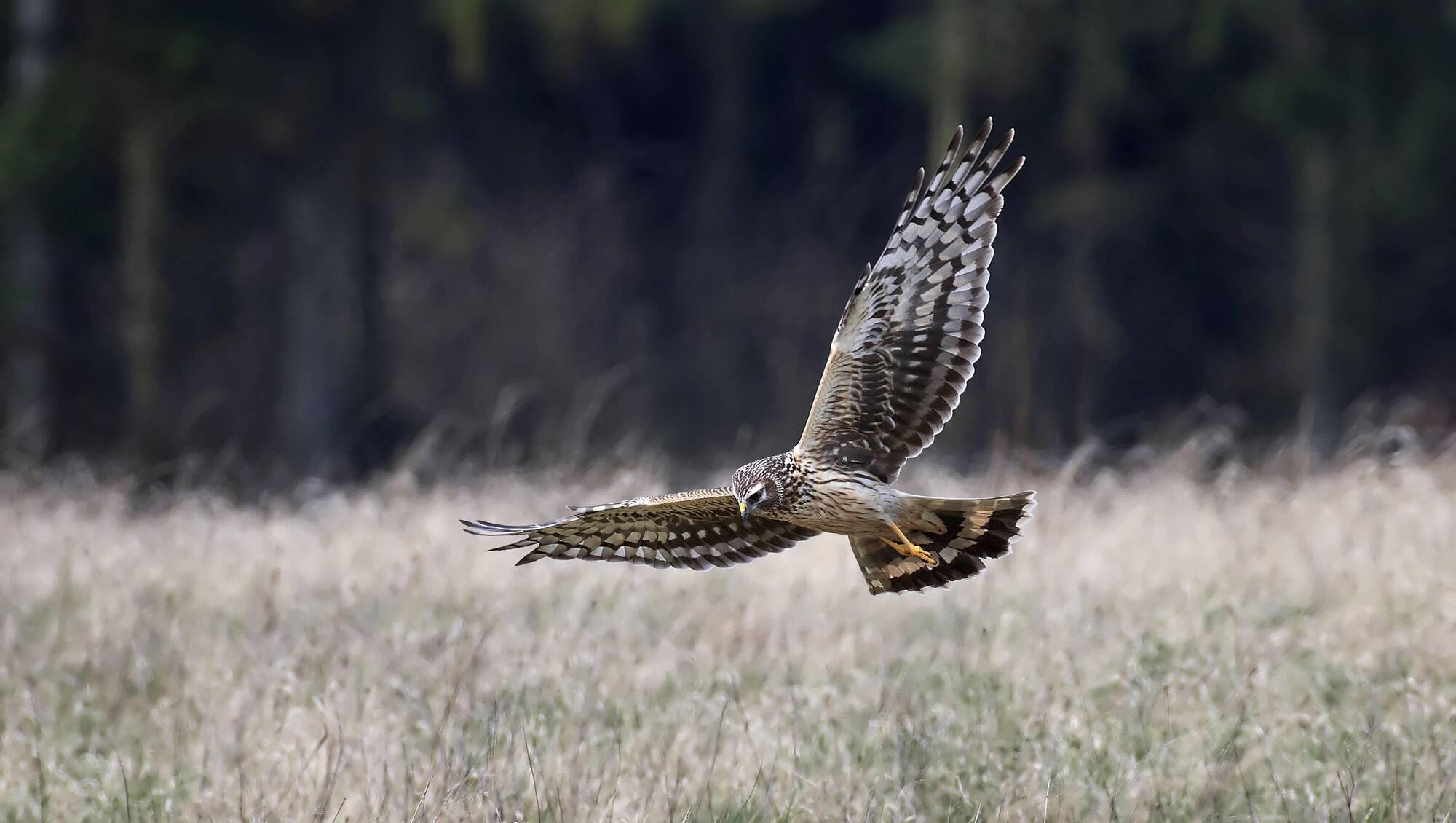
Experts had warned the species could face extinction within the next 25 years in Ireland unless urgent remedial action is taken.
Experts had warned the species could face extinction within the next 25 years in Ireland unless urgent remedial action is taken. File picture.

Experts had warned the species could face extinction within the next 25 years in Ireland unless urgent remedial action is taken. File picture.

Progress is being made on actions by public authorities to reverse the decline of the iconic Hen Harrier and improve its long-term prospects, according to Minister of State Christopher O’Sullivan.

A rare bird of prey that breeds in open upland bog and heather moorland, it has seen significant declines in recent years.

Experts have warned that the species could face extinction within the next 25 years in Ireland unless urgent remedial action is taken.

The Hen Harrier Threat Response Plan

The Hen Harrier Threat Response Plan 2024-2028 sets out a roadmap to reverse the decline of the species.

It describes the threats faced by the iconic bird and details a series of co-ordinated actions to improve its long-term prospects.

The plan involves strategic engagement with relevant departments and stakeholders to restore nature in important habitats for the species.

It recognises the importance of landowners and farming communities in improving the habitat and the need for supports and incentives to engage them in conservation.

Hen harriers typically forage over grasslands and winter stubble that are rich in prey such as medium and small-sized birds and small mammals.

What is threatening the species?

Changes in agricultural practices, forestry and wind energy development are the three key primary pressures and threats on the species.

Climate change and recreational pressure in important areas may also play a role.

Minister O’Sullivan, publishing the first report on the implementation of the plan, said reversing the decline of the Skydancer is challenging given the specific pressures it faces. Habitat restoration is key.

The National Parks and Wildlife Service has been working closely with the Department of Agriculture, Food and the Marine, Coillte and the farming community to step up efforts to improve the habitat for the species.

What steps are being taken?

Increased action on the ground in the Slieve Bloom Mountains Special Protection Area includes enhanced population monitoring, nest protection measures, and greater levels of surveillance to prevent and manage fires.

“Monitoring of breeding activity on site in 2025 has shown positive progress at an early stage, but we need more data to fully understand the impact of these measures.

“We must now accelerate our efforts across the SPA network and beyond.

The next steps in the Slieve Bloom Mountains will involve further progressing forestry removal through a pilot initiative in close co-operation with Coillte,” he said. In addition to the Hen Harrier, the Minister of State said other ground-nesting birds and wildlife will benefit from improved habitat management.

“This pilot initiative is also a pathfinder for working together to restore habitats on state-owned lands, as momentum builds around our national Nature Restoration Plan,” he said.

A female hen harrier perches on a fencepost. Picture: Mike Brown.

Thanking all departments and agencies for their commitment to delivering on the plan, Minister O’Sullivan said success is dependent on all public authorities working together.

The Implementation report was prepared by the NPWS with input from the Hen Harrier Threat Response Plan Interdepartmental Steering Group.

Highlights within the report include a Memorandum of Understanding established between the NPWS and Coillte, which seeks to progress conservation actions for Hen Harrier on Coillte’s land.

The Slieve Bloom Mountains SPA was selected as an initial site for conservation actions, and the progress being made there will inform subsequent delivery in the wider network and beyond.

A new European Innovation Programme (EIP) for coastal arable areas in the south-east is also being delivered to benefit winter harrier habitat.

The report notes greater levels of cross-sector collaboration, research and data sharing across key stakeholders.

A mid-term review of the Hen Harrier Threat Response Plan will be undertaken later this year.

More in this section

Farming

Newsletter

Stay ahead of the season. Sign up for insights, expert advice and stories shaping Irish agriculture.

Cookie Policy Privacy Policy Brand Safety FAQ Help Contact Us Terms and Conditions

© Examiner Echo Group Limited