Prices of olive oil, wine and fruit expected to rise due to extreme heat and wildfires in Europe
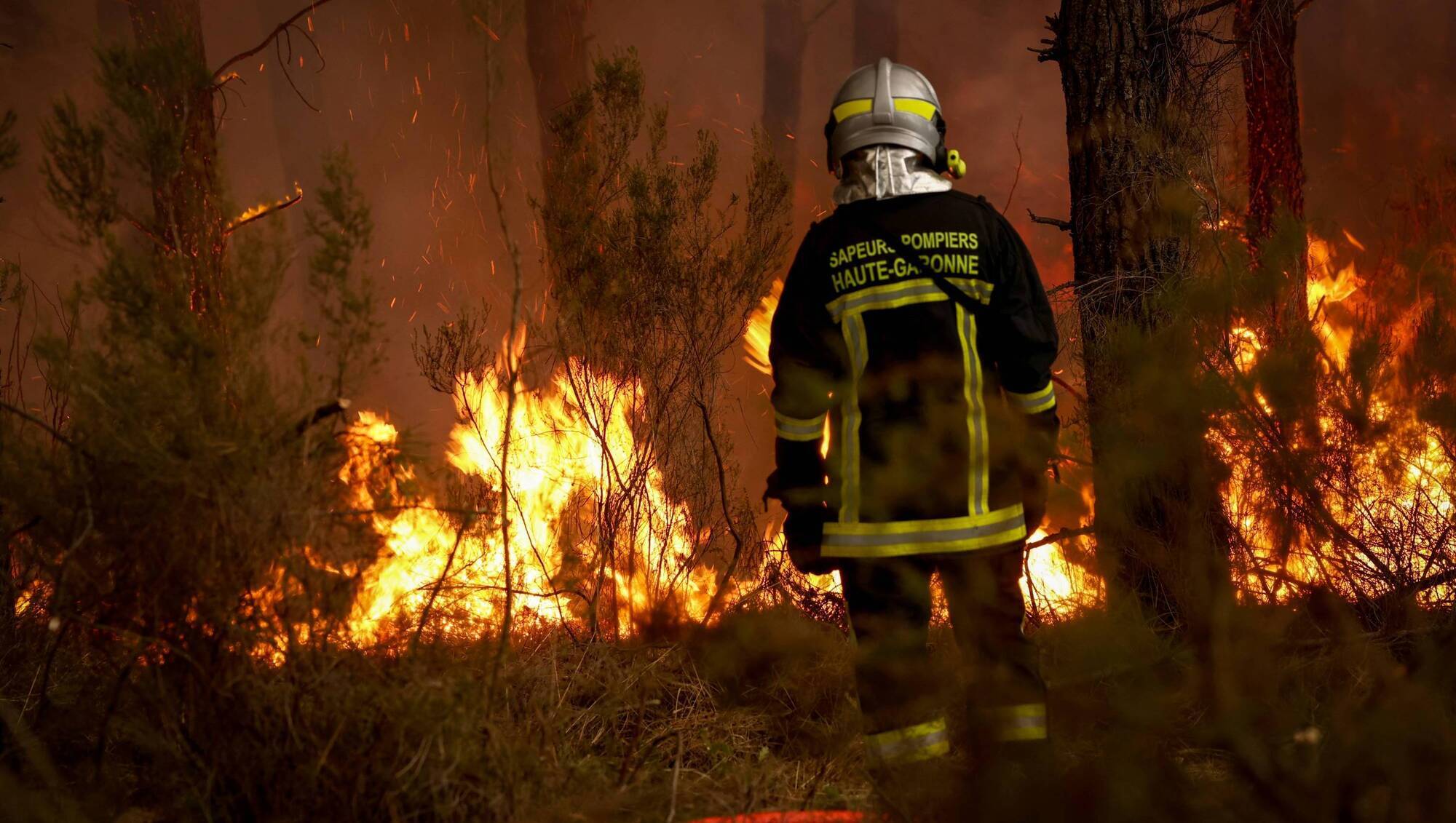
The vegetable growers association Légumes de France has warned thousands of tonnes of products worth tens of millions of euros had been lost — including salad leaves, carrots, leeks, garlic, and onion — with production on certain crops expected to be halved because of the lack of rain. Picture: Romain Perrocheau / AFP via Getty Images
Farmers across Europe are warning of a slump in food production and rising prices as crops from maize to salads suffer as a result of extreme heat, drought, and wildfires.
Olive groves have also been hit as the climate crisis drives temperatures across the continent to fresh record highs, meaning the cost of olive oil — already at elevated levels — is expected to start rising again.
The vegetable growers association Légumes de France has warned thousands of tonnes of products worth tens of millions of euros had been lost — including salad leaves, carrots, leeks, garlic, and onion — with production on certain crops expected to be halved because of the lack of rain.
The scorching French weather has also held back grape growth in wine regions including Champagne, Bordeaux, and Burgundy, threatening a smaller crop and one of the earliest harvests on record.
In Champagne, producers expect the earliest harvest ever, with picking likely to start around August 15, about a month earlier than was typical a few decades ago. Growers now expect grape yields to be about 10% smaller than last year.
Read More
In Spain, the ministry of agriculture predicts the country’s 2026-27 cereal crop will fall from last year’s 24 million tonnes to little more than 18.5 million tonnes — a forecast made before wildfires took their toll.
That is despite Spain’s farmers being more adapted to hot dry conditions, growing crop varieties that can cope with higher temperatures and drawing more on irrigation and water storage to manage periods of drought.
The EU has cut harvest predictions on a whole menu of crops, with expectations for sunflowers, essential for cooking oils, down by 7%. Meanwhile, grain maize is down 6% on the previous forecast and expectations for potatoes and soya beans have been trimmed by 3%.
However, some countries have been less badly hit than others, with Romania, for example, seeing more rainfall and Italy’s wheat crop proving resilient.
The ASAJA agricultural trade body said direct damage from fire had hit orchards, vineyards, agricultural land and greenhouses — affecting citrus fruits, avocados, almonds, vineyards, vegetables and olive groves — while water stress and extreme temperatures had hit production of tomatoes and maize.
“While local production losses may reduce export volumes for some products,” a spokesperson said, the main concern was “higher production costs” rather than restrictions on international trade.
Olive oil producers said they expected another surge in prices this year as growers struggled with a combination of extreme heat, drought and, in some cases, fires.
Groves have burned in Greece, Italy, and Portugal this summer, and even those nearby that were spared the flame have suffered blowing ash and poor air quality. The extreme hot weather has also prompted an increase in pests, disease and heavy storms, as well as affecting fruit size.
The price of olive oil around the world had drifted down from a spike two years ago that was driven by rising demand, hot and dry weather and the spread of pests and disease.
Sarah Vachon, founder of the Citizens of Soil olive oil group, said: “Unless the weather is under control soon, we should expect pricing to rise in the autumn since there will be less edible fruit to make olive oil from.”

CLIMATE & SUSTAINABILITY HUB
CONNECT WITH US TODAY



Be the first to know the latest news and updates