Signpost: Navigating spring challenges: Calf sourcing, grazing, and fertiliser delays
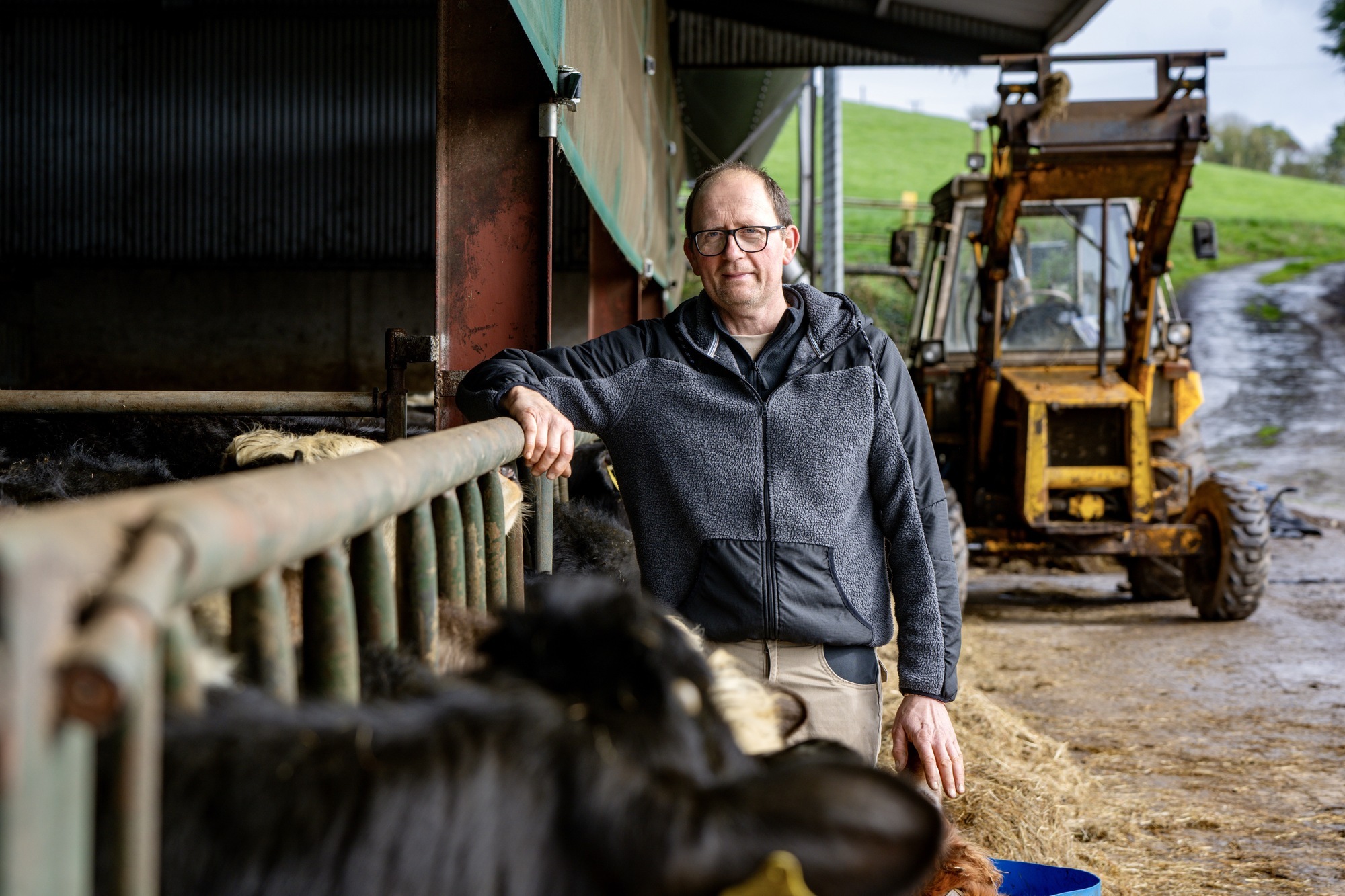
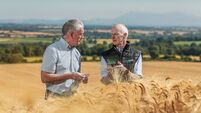
Denis Hickey on his dairy beef farm just outside Midleton in Co Cork. Picture Chani Anderson
The last couple of weeks have been busy here on the farm, balancing calf arrivals, changeable weather conditions, fertiliser spreading and early-season grassland management.
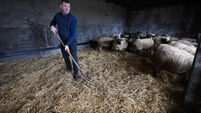
A key focus has been calf sourcing, which has proven more challenging than usual this spring due to higher calf prices and availability. To date, I have purchased 35 calves from two local dairy farmers, made up of 16 bull and 19 heifer calves. The majority are Aberdeen Angus, with four Belgian Blues also included. In the next day or two, I have ten more calves to collect. All calves have settled in well and are currently being fed three litres of milk twice daily using blue teat feeders. With a larger number of animals now on the farm, a strong emphasis has been placed on calf health, with an intranasal vaccine administered a day or two after arrival as part of the farm’s overall health programme.

The aim is to scale up calf numbers significantly over the coming weeks, with plans to have between 90 and 100 calves on the farm within the next two weeks. Securing additional calves will depend on availability and price, but discussions with other dairy farmers are in place to accommodate this increase.

Grassland management this spring has been disrupted by recent poor weather and grazing conditions. Although generally an early farm for turnout, this spring has been more challenging. Earlier in the month, yearlings were turned out to grass to help kick-start the grazing season.Â
However, last week, with a poor forecast and deteriorating ground conditions, meant that two-thirds of these animals had to be rehoused temporarily to avoid damaging paddocks. Since last Saturday, all 93 yearlings have been let back out to grass in two separate groups. To date, only 20% of the farm has been grazed, which is well back on where I would normally like to be at this stage of the year. Some silage ground may not be grazed now and will be fertilised to harvest in early May.
Spring fertiliser application has also fallen behind schedule due to persistent rain and limited opportunities to travel the land. The first round of fertiliser went out last Saturday, 14th March, where I applied 30 units of chemical N per acre.Â
Generally, the first round of fertiliser would normally be 20 – 23 units per acre, but with it being a later first round application, I decided to up it to 30 units this year. Hopefully, we will get some kindness, and the land will warm up over the next week or so, and this will be critical in driving grass growth and building covers for the weeks ahead.
Despite these setbacks, the farm remains in a reasonably good position. There are good grass covers on most paddocks, first round fertiliser is now out, and paddock infrastructure, such as fencing and water systems, is reasonably good to support effective grazing once conditions improve.
Looking ahead to the next two to three weeks, I need to prioritise getting all calves to be reared in by the end of March. With calf numbers expected to rise quickly, workload will also increase, as I work full-time off farm, careful management of time and labour will be necessary to get to everything. All yearling cattle will be weighed once settled to get an idea of their weights at the start of the grazing season. Any silage ground that is grazed will get slurry and fertiliser before the end of March also.
Overall, while the past month has presented challenges and has been busy, we hope to keep on top of the work and having yearlings now at grass (hopefully to stay) has been a great help in reducing the workload in the yard.