From calving to clover: a busy spring on Kay's organic suckler farm
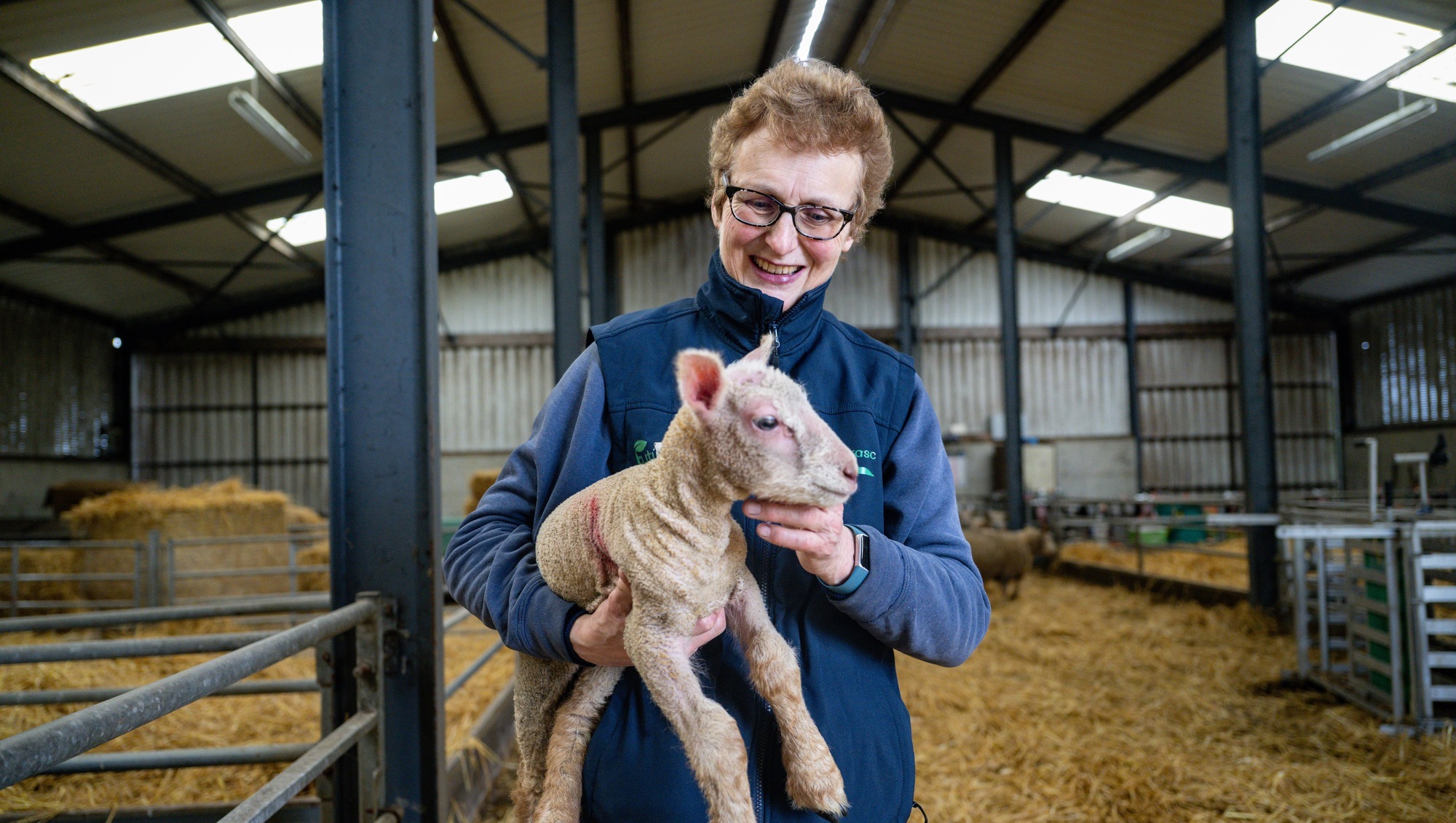
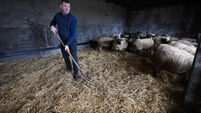
Kay O’Sullivan pictured with a day-old lamb in the sheep barn at her organic farm, Glynn Farm, near Mallow. Picture: Chani Anderson
Calving has gone well so far on the farm, with just a few cows left to calve. All calves were weighed at birth, with an average weight of 45kg, with one calf from a first-calver weighing 63kg (sired by Tubridmore Twomey).
I only used one AI straw from this bull. It will be very interesting to see how this calf performs compared to his comrades over the next 12 months.
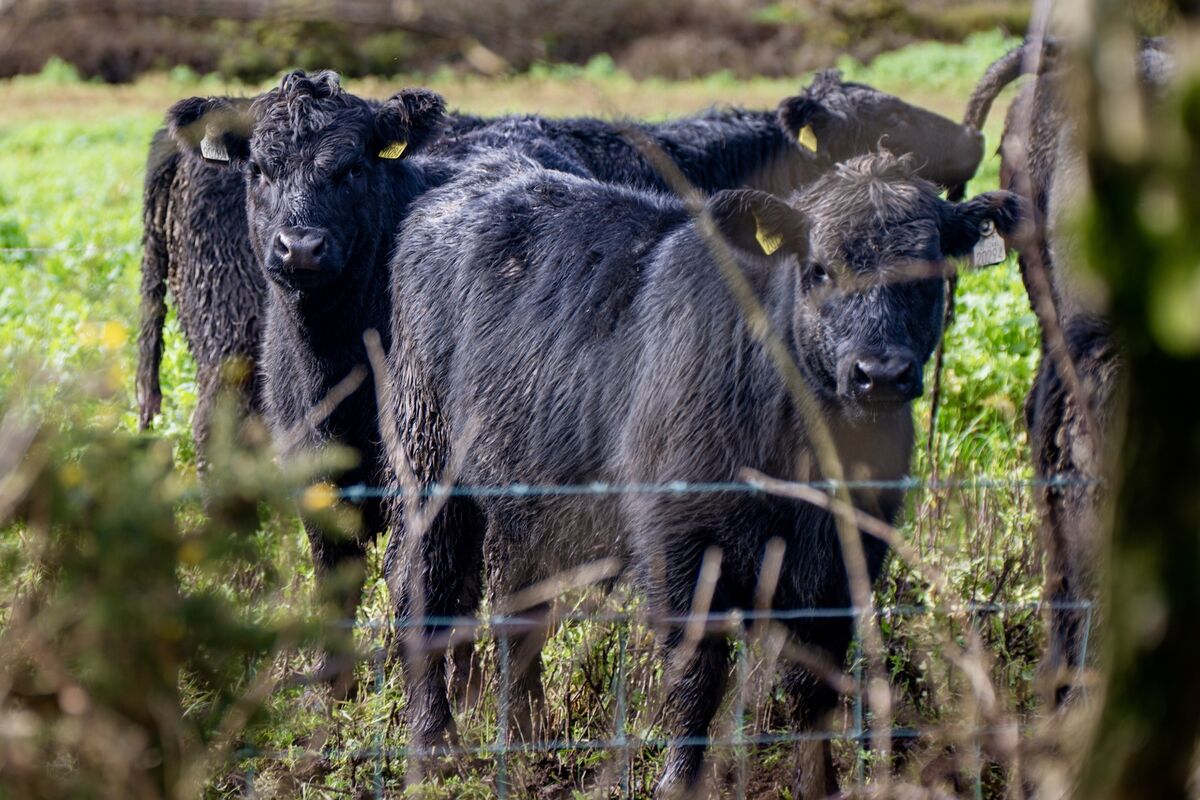
The cows and calves are out full-time in sheltered paddocks, and they are moved to fresh grass every three days. They have access to a hi-mag/high-fertility mineral lick.
The cattle finished grazing the Redstart in March, and they were weighed and moved to last year’s reseed of multi-species. The first grazing rotation is almost complete, with slurry being applied to a few grazing paddocks low in P, with additional slurry being applied to the silage ground.
I did the fifth grass walk of 2026 last week, and the measures were uploaded to PastureBase. The farm cover was 1,082kg DM/ha or 644kg DM/LU, with 40 days of grass ahead of stock.
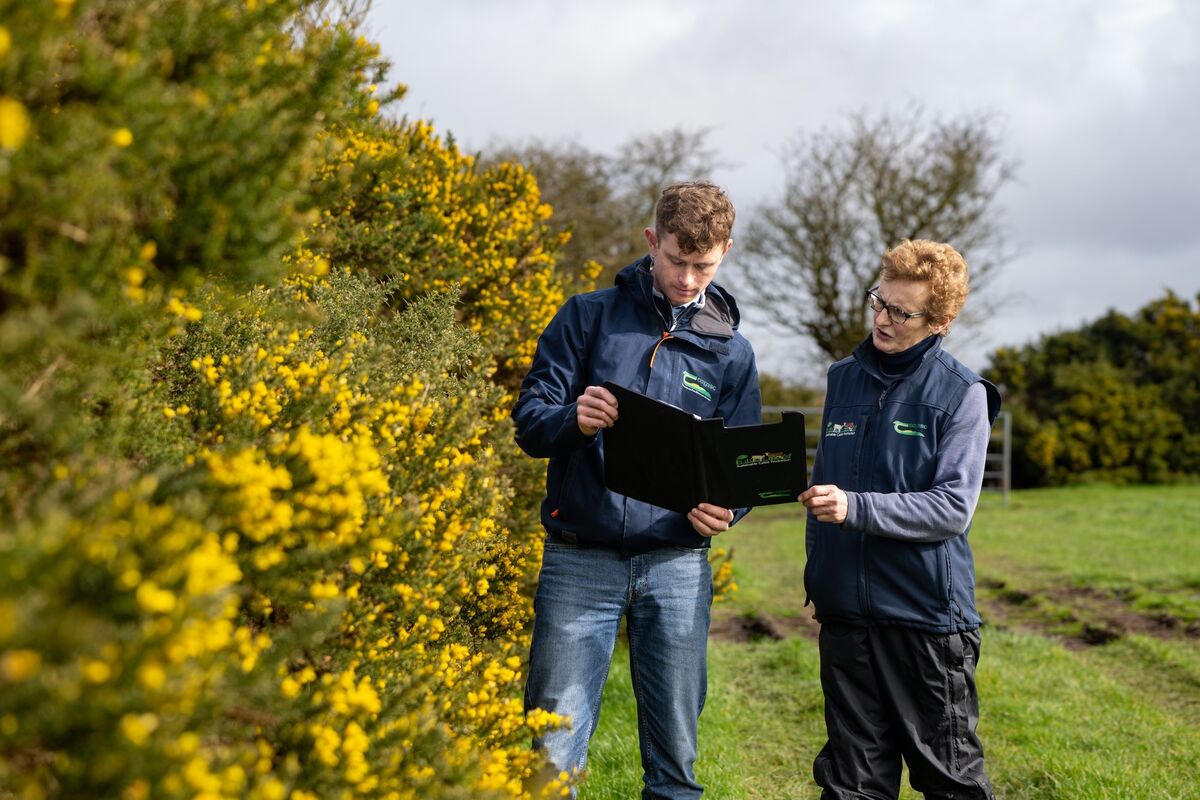
With no real improvement in the weather, I have done no reseeding yet. This year, I am reseeding the Redstart area where the cattle were overwintered, and I plan on putting in five acres of multi-species into that ground. I also have another five acres earmarked for reseeding with red clover silage.
I selected this paddock based on grass measurements conducted throughout 2025 and early 2026. The data indicates that this paddock has consistently underperformed in terms of grass growth and productivity compared to the rest of the farm.
I operate a minimum-till reseeding programme every year on my farm. As part of this approach, I use a false seedbed system to help control weeds before reseeding. This involves preparing the seedbed in advance to encourage weed seeds to germinate, and then discing for a second time to eliminate these seedlings prior to sowing the new sward.
I find this works really well in my organic system, where I am not permitted to use any herbicides.
This year I am also reseeding a small area with Egyptian clover, Persian clover and a Westerwolds silage mix. I have grown this previously and found it to be a very fast-growing crop, which gives a very high yield of high-quality silage with a high protein content.
I have been growing red clover silage for the past number of years. Once the red clover is managed correctly, it should last five to six years. In the first year of establishment, it is important to let the plant flower before cutting.
When harvesting the red clover, I aim for 48 hours of dry weather to allow the clover to wilt. It is very important to keep the blades of the mower the height of a mobile phone off the ground in order to avoid damaging the growing point.
I don’t ted out the silage, just leave it in rows and bale, as some of the leaves could break off. Typically, I get an average of eight to nine bales to the acre with three cuts per year. As red clover is a nutrient-hungry crop, after each cut slurry is spread using the dribble bar.
Last year, I got involved with the farmer moth monitoring programme with the National Biodiversity Data Centre. The first survey for 2026 has taken place.
It involves putting down two traps on selected nights in two selected areas of the farm. The trap consists of a bucket with an LED light attached and egg cartons inside the bucket. Early in the morning, the traps are inspected, photos taken of the moths and sent to Tim at the Biodiversity Data Centre for recording.
For April, I had a good result. One moth I caught was called an 'oak beauty' — it is a lovely moth with camouflage similar to a lichen-covered tree trunk.
The moths in the trap are then released by a hedge once all have been recorded.
- Kay O’Sullivan is an organic suckler beef farmer from Mourneabbey and a participant in the Teagasc Future Beef Programme.