A record year for my young bulls - what worked, and what didn't
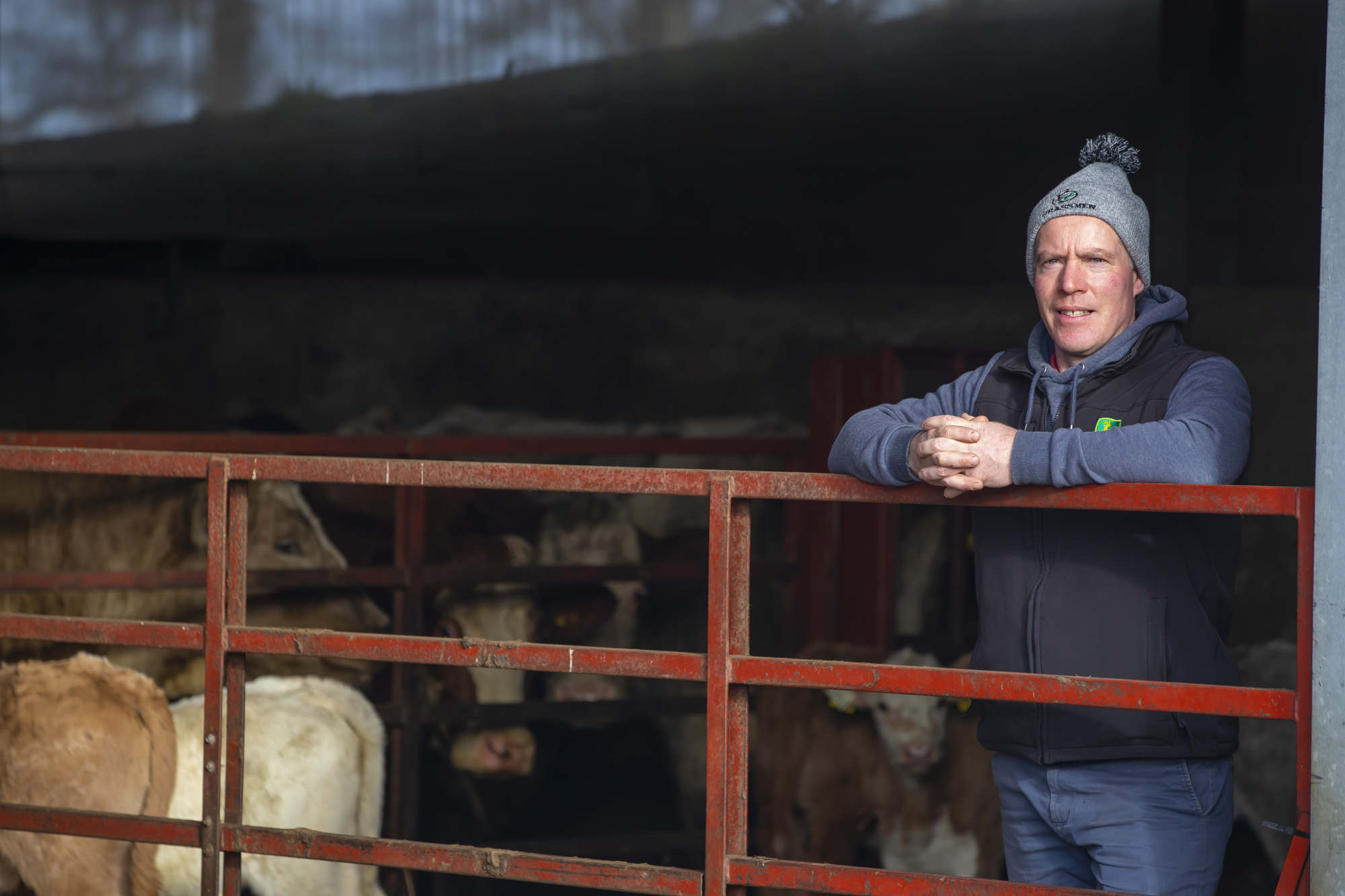
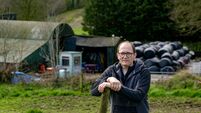
Ruairi Cummins on his farm at Kilmoganny, Co. Kilkenny. Signpost farming piece. Picture: Patrick Browne
It seems like 2023 has gone by in the blink of an eye! It was a challenging year but I think it makes us better farmers and more resilient when we know we can get through the speed bumps along the way.
Looking back on the calving season, it was laborious with the c-sections. However, I’m hoping that this will be less of an issue next year as I will be moving the Charolais bull on that was the cause of them and will be investing in a new Charolais bull. Aside from that, I was happy with the calving season as most of the cows calved themselves and produced good quality, lively calves.
There was a small touch of respiratory disease in the calves when they were re-housed, but fortunately, they were vaccinated, and I think that this prevented any massive outbreaks. Grass yields were up almost 2.5t dry matter per hectare this year versus 2022 and I’m glad to have the extra silage made as a result.
I was a little disappointed with the breeding season and expected more cows to be in calf. However, the combination of the wet weather with the difficult calvings resulted in a number of early embryo losses, and seven cows out of 43 were not in-calf when scanned.
The ones that are in calf will have a short calving spread and I have bought some in-calf heifers that are calving in February to join the herd. They have an average Eurostar value of €160, which is above my herd average of €123, and have good average daughter milk figures (11.15kg) and carcass weight (17.5kg).
The under-16-month bulls performed extremely well this year and hit a new record for the farm for carcass weight (408kg at 14.8 months), making €165 more than the 2022 bulls, while also eating less ration overall.
On reflection for the year, the things that worked well were:
- Artificially inseminating the 10 heifers to replace AI bulls.
- Using the nose paddles for weaning the calves – in my opinion, the calves were less stressed at weaning, and we were less stressed as we weren’t listening to them giving out!
- Creep grazing the calves ahead of the cows has continued to work well this year, and it also leaves it easy to feed them a ration of grass before weaning.
- Moving back to the farm saved a lot of travelling time.
As always, there were things that didn’t work well:
- The difficult calvings that arose from the Charolais bull were both financially and time costly.
- There were occasions when I didn’t move cattle on quickly enough during wet weather by thinking they were going through grass too fast or that they would be okay until the following morning. I will manage this better in future.
The next jobs will be to take faecal egg samples from the dosed weanlings to ensure the dose worked, sell the last two cull cows and stock bull, plant new trees for the ACRES scheme arrive and to put the yearly accounts together to complete my profit monitor in early January.
I’ve really enjoyed writing these articles for the last 12 months and would like to wish all readers a safe and prosperous Christmas and New Year.
- Ruairi Cummins is a Future Beef farmer with the Signpost programme.