Paula Hynes: Getting down to the grassroots of sustainability
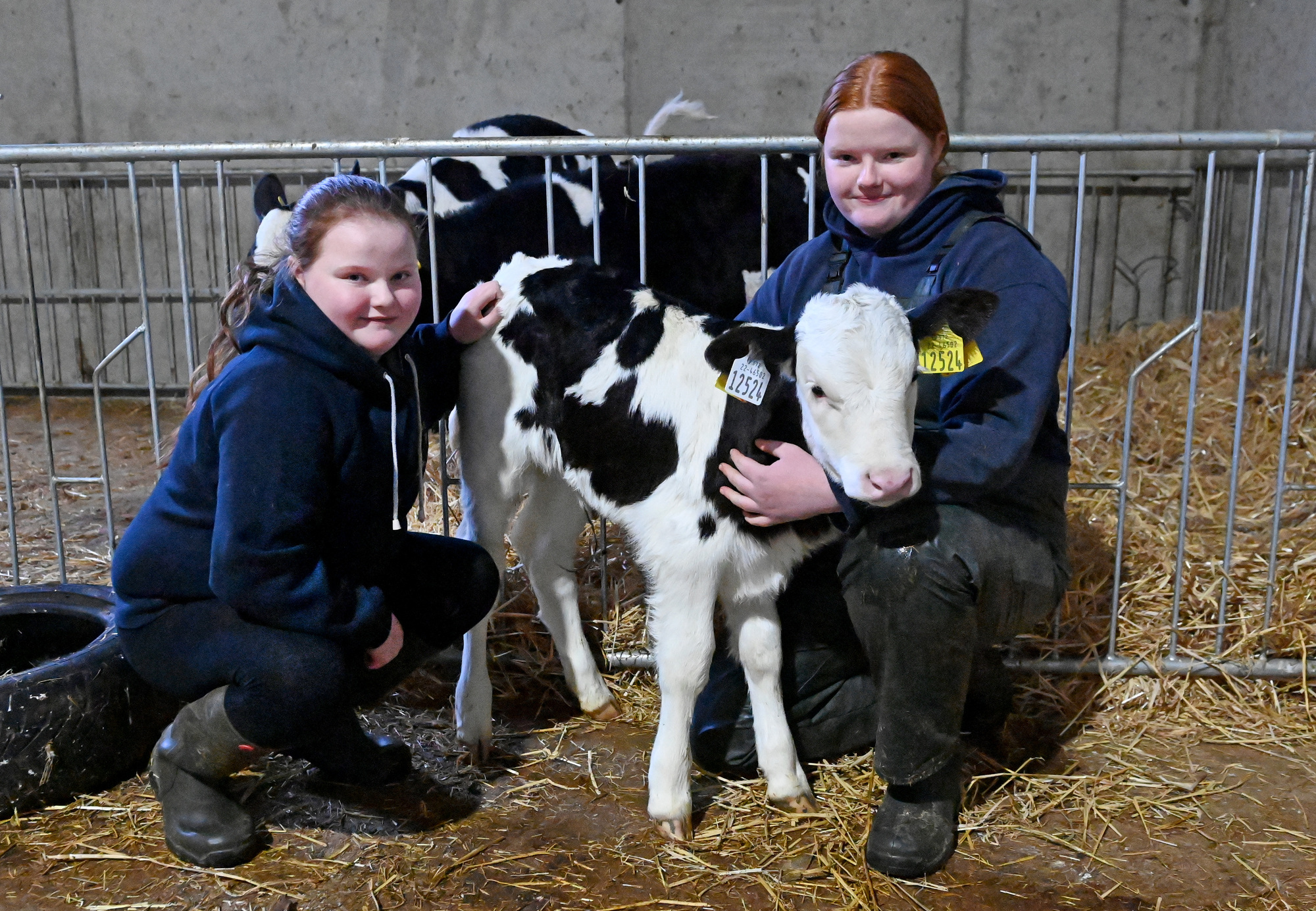
Georgia (left) and Becky Hynes with Lulu a two-week-old Simmental Heifer at there farm at Aherla in Co. Cork. Picture: Eddie O'Hare

We had a very productive week on the farm. I was delighted with the amount of work we got through. The Bord Bia inspection went like a dream ...apart from one small issue with the pet sheep.
Sheep wouldn’t be my strong point, but Becky loves them, and by the looks of it, they’re here to stay. It was only a minor issue, in that I don’t have a scale for them, but with only six sheep, I didn’t see it as an issue.
All the lists have been done for calving, and everything is organised down to the tags from Cormac Tagging and the Precision Microbes stock up.
I started using Precision Microbes last year. It’s a probiotic high concentration of live bacteria that immediately stabilizes the calf's gut, you feed 30ml for 30 days, and I found it extremely helpful when I found myself with a batch of calves with nutritional scour last season. So, I will be using it on every calf that is born on the farm this year.
We had our first little arrival 14 days early; a lovely little Simmental heifer, which the girls have called Lulu. We don’t normally name the beef calves as they are pre-sold to another farm, but with this little lady being early, we made an exception.
We also attended an information discussion run by Dairygold about their new Grassroots milk supplier sustainability bonus 2023. We received the information pack in the post and thought, 'what a great idea'.
The first one being agreeing to a water quality farm visit and the development of a water quality plan. The aim is to help and work with farmers to implement measures to protect our water quality. Water quality is under stress and agriculture is identified as one of the key pressures.
The Dairygold sustainability advisor, along with ASSAP (Agricultural Sustainability Support and Advisory Programme), will outline recommendations for action only where it is required. The second step is the use of protected urea, which is a very easy one. We have been using protected urea for a number of years now, and it has been a great benefit to the farm.
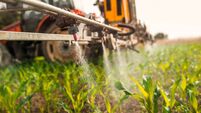
You can grow up to 13% more grass, while lowering your ammonia emissions by 79% and your nitrous oxide emissions by 71%. If everyone made the effort to use it, collectively, it would have a huge impact. The biggest reality is that it is also 30% cheaper than CAN.
Soil sampling is another favourite of mine, and I have been doing it for a number of years, the information you receive is invaluable. By having the optimal pH of 6.2, we have the potential to release 60-80kg more nitrogen per hectare than soil with a lower ph. Lime is a cheaper alternative to help in raising the ph in your soil.
Healthy soil will be hugely beneficial to unlock the full potential of our farms. The one I'm really excited about is the Biological Analysis, which will assess the soil's living health and the respiration of the microorganisms in the soil, whereas, the chemical analysis only tests for pH, Phosphorus (P) and Potassium (K).
The Biological Analysis has gone to the top of this week's list as it will also give us an indication of the carbon levels in our soil.
The modules will provide farmers with sustainability training, which is vital now at farm-level to ensure that dairy farming continues to be sustainable for future generations. Training modules include water quality, strategic breeding and herd health, introduction to greenhouse gases, Teagasc marginal abatement cost curve and farm profits and reducing Greenhouse Gas emissions.
We have until the end of 2023 to complete the modules, and the end result is to make our farm plan, while incorporating a total of five actions across the categories of nitrogen reduction, animal performance and biodiversity and committing to it.
Milk recording is another invaluable tool for us farmers, it gives us crucial information on our somatic cell count (SCC) management on our farms and it identifies problem cows throughout their lactation. It provides us the information to pinpoint specific cows that require antibiotics at dry off.
Finally, the most important assets on our farms are our cows, or as I like to call them my ladies. A healthy herd will be way more efficient. The herd health programme is to identify and manage diseases that limit herd performance, monitoring herd health reduces hidden costs associated with treatment and gives you the information needed about which vaccines you need to vaccinate your herd with.
It’s a very simple process, you fill in an application form from Munster Bovine and four milk samples are taken from the bulk tank throughout the year. There are three programmes available, one to suit everyone's budget.
It has been an easy decision for us to sign up to the Grassroots Sustainability scheme, and ultimately, it is worth an extra .75 cent per litre. Dairy processors right across Europe are investing in sustainability so it is positive to see our own farmer-owned processor investing to ensure our global customers understand the positive steps we are taking on farms