How making better use of grass on this Kerry farm is helping the environment
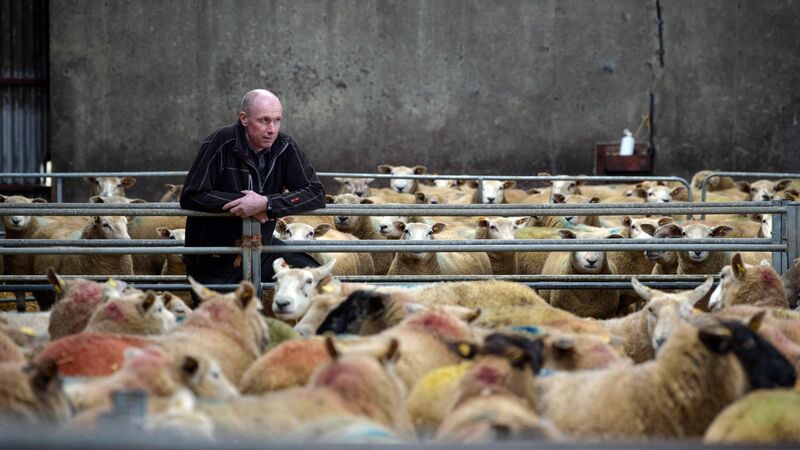
Tomas O’Leary first started experimenting with multispecies swards three years ago
How making better use of grass on this Kerry farm is helping the environment

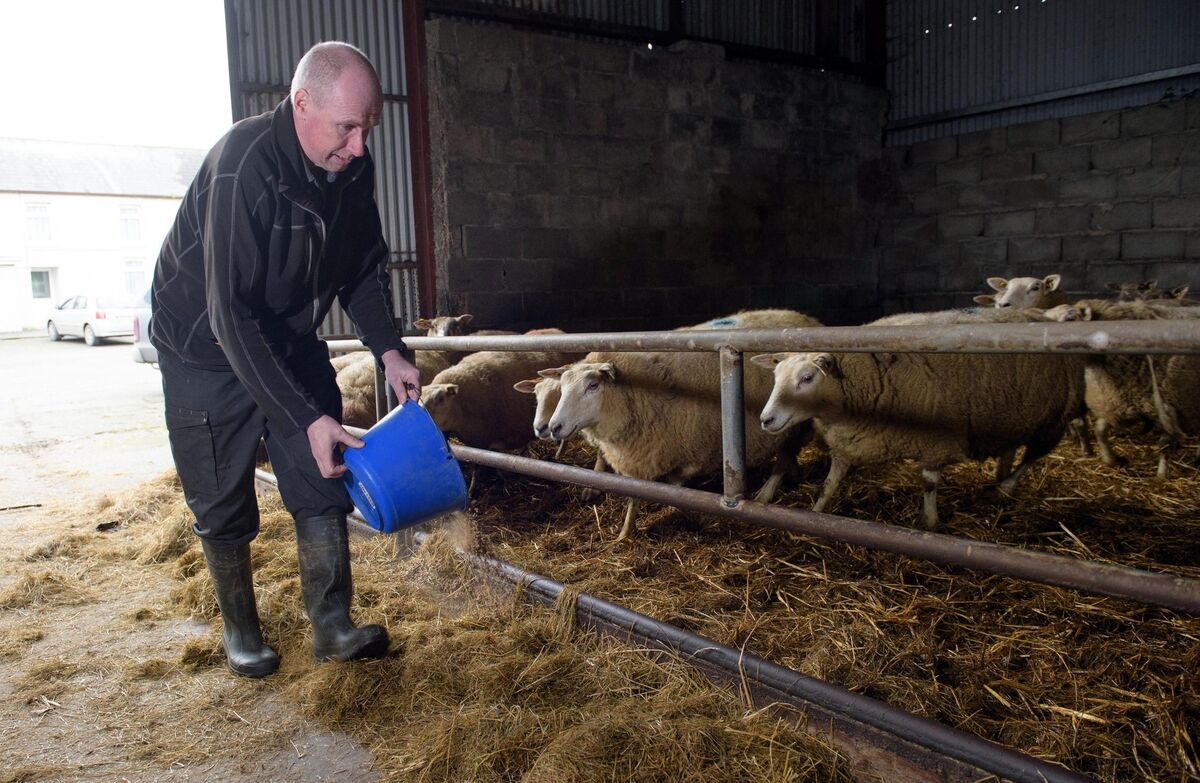
Kerry sheep farmer Tomas O'Leary pictured on his farm near Barraduff, Killarney. Picture: Don MacMonagle
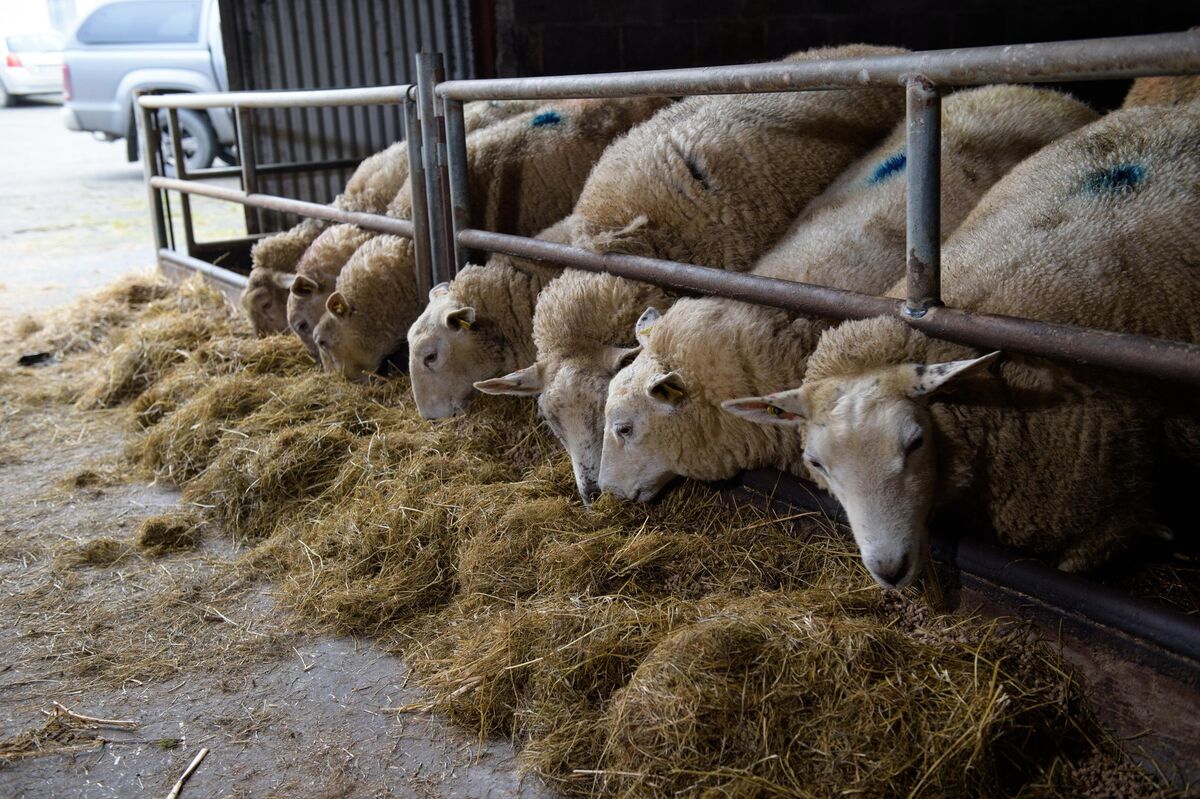
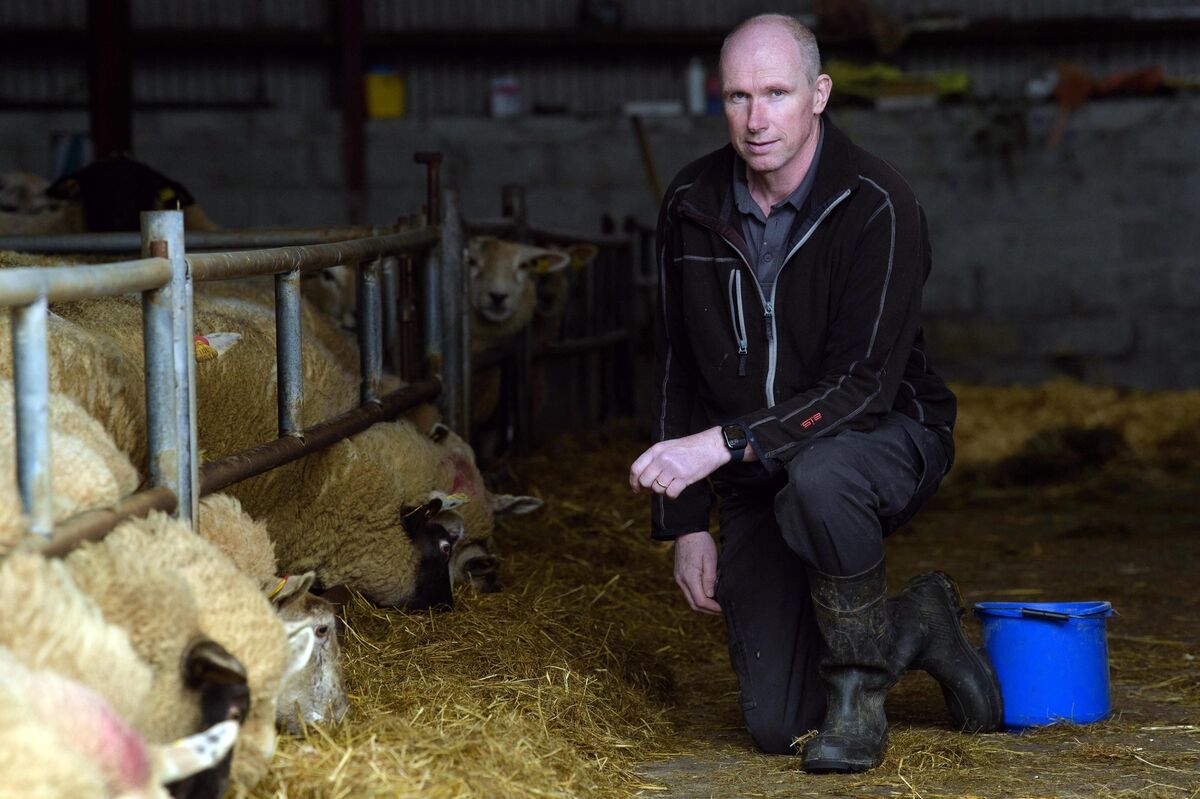
First-generation sheep farmer Tomas O’Leary hopes this year he will be able to reap the rewards of the clover swards he sowed the year before.

Making better use of his grass on his farm has already become a cornerstone of the business, enabling him to make the enterprise more agriculturally and environmentally efficient.

O’Leary farms just over 40 adjusted hectares across two blocks of land in Kerry along with his wife Eileen and children Míchéal, Yvonne, and Sinead.

The home farm is situated in Readrinagh close to the village of Barraduff and consists of 13 hectares of heavy, difficult land.

The land is mainly used for silage production, as well as some grazing with ewes in the spring, autumn and winter.

While the second block of land, situated in Rosnacarton Beg (around 12 kilometres northwest of Killarney), consists of about 27 hectares of good, dry land.

The O’Leary farm averages 2.3 lambs per mature ewe, with lambs weaned per ewe mated of around two lambs per ewe.

This block of land is 27 kilometres from the home farm and is the main grazing block, but it also contains the cattle housing, which means a daily 55 kilometre round trip for Tomas to feed and check his stock.

Previously, the family also kept suckler cattle, but Tomas made the decision to move to contract heifer-rearing just over three years ago after taking a short break from cattle.

“I think they complement the sheep well,” he said.

“I run them in a mixed system, so the grass utilisation is very good - they are able to graze down to four centimetres no problem, and are moved on every couple of days.”

O’Leary takes the dairy heifers on as weanlings in September and October and sends them back in-calf 12 months later.

This year, he is rearing 86 heifers alongside his flock of sheep.

Today, the farm flock includes 210 mature ewes and 50 ewe lambs.

This year, ewe numbers have been reduced by 60 head, from 320 to 260, to better match stocking rate to grass supply and ease the pressure somewhat.

The ewes are currently housed on the home farm, but will be put out to grass as soon as possible after lambing starts on March 1.

O’Leary explained he got into sheep in the late ‘80s after his uncle encouraged him to give them a go.

“I knew nothing at all about sheep back then - when I went to the mart to buy my first ewes I hadn’t even a pair of wellingtons with me,” he laughed.

“It’s a been big learning curve, but it’s important to make mistakes and learn from them.

“I’ve been trying to improve the flock and its performance every year - you always need to keep learning with farming.”

One of the major focuses of the BETTER Sheep Farm Programme is to have a defined breeding programme.

The O’Leary farm averages 2.3 lambs per mature ewe, with lambs weaned per ewe mated of around two lambs per ewe.

The 50 ewe lambs generally perform somewhat lower, scanning around 1.7-1.8 and weaning around 1.4-1.5.

In a nutshell, the aim is to produce around 470–500 lambs available for sale, and to select replacements from the 260 ewes put the ram annually.

Achieving this level of output requires a combination of the correct female genetics (in this case a Belclare x Suffolk or Texel ewe), coupled with suitable high-performance terminal genetics (rams selected for lamb survival and days to slaughter) and having ewes in good body condition at mating time.

Good grass management is also a major part of the efficiency of the business.

I’ve been trying to improve the flock and its performance every year - you always need to keep learning with farming.

O’Leary started measuring his grass after he joined the BETTER sheep farm programme in 2013, with the aim of increasing the performance and profitability of both the family’s sheep and cattle enterprises.

And targets yields as high as 16-16.5 tonnes of grass per hectare.

“Just before that I had already started to divide my land into paddocks to improve grass utilisation, but once I joined the programme, I realised

The programme set a target of €1,000 gross margin per hectare.

“Better grass utilisation was a major part of achieving that,” he said.

“As well as cutting down costs on fertiliser, grazing for more of the year, and improving our silage.”

In the summer, at peak grass growth, O’Leary measures the grass twice a week.

“It’s a great tool - you know how much grass you are working with, you know when the grass is getting ahead of you so you can take out a paddock - and it’s quality silage you are taking out from it,” he said.

“You have better quality grass; the grass is coming back better once it’s been cut and the sheep and cattle are going into ideal grass the whole time.

“I’m highly stocked, so I find it gives me the confidence to know that I have enough grass and be able to think about how to use it better.”

O’Leary first started experimenting with multispecies swards three years ago with a three-acre paddock.

He’s had varying levels of success so far, with the chickory struggling to establish on the farm and some issues with weeds.

However, last year, he decided to focus on clover, stitching in white clover on around eight acres of grass as part of the Teagasc Moorepark On-Farm White Clover Project.

The aim of this project is to establish white clover on 35 grassland farms (dairy, beef & sheep) across the country.

This project will establish white clover on farms over a four-year period, with between 20 and 30% of the farm’s grassland area sown with clover per year.

White clover will be established on the farms by a combination of reseeding and over sowing over the course of the project.

It’s hoped the farms which take part will be able to reduce their chemical fertiliser once enough clover is established on the farm.

“The first year, while it’s establishing it needs to be managed differently - for example, you have to graze it more often to allow light to get to it - but the following year, we’ll hopefully see some of the benefits from that,” he said.

“We’ll hopefully be able to cut down on nitrogen use as a result.”

Last year, O’Leary reckons he used around 190-200kg of Nitrogen per hectare.

“But this year I’m hoping to go down to 170kg,” he said.

“If I can achieve that, I’d be happy to go further - but I don’t want to put too much pressure on the system either.”

In 2021, fertiliser was applied every three weeks during the growing season at a rate of 25kg N/hectare (20 units per acre) in the form of protected urea.

All chemical nitrogen that was spread on the farm in 2021 was spread as protected urea (except for some 10:10:20 used to reseed two acres).

All cattle slurry is spread with a trailing shoe, hence reducing emissions, retaining more nitrogen and giving greater flexibility in grazing.

“My idea is that everything has to be simple - I want an easy system, where you don’t have to think about it too much,” he said.

x

More in this section

Farming

Newsletter

Stay ahead of the season. Sign up for insights, expert advice and stories shaping Irish agriculture.

Cookie Policy Privacy Policy Brand Safety FAQ Help Contact Us Terms and Conditions

© Examiner Echo Group Limited