‘Everything is changing faster’: Why partnership matters for manufacturers
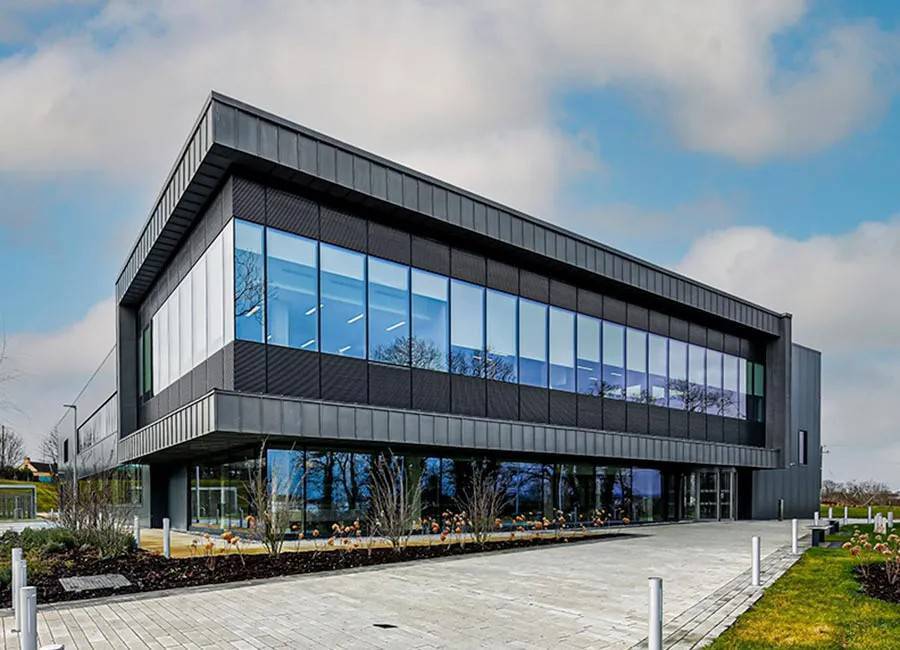
Digital Manufacturing Ireland (DMI) is located in a 30,000 square foot facility designed to support the next wave of manufacturing in Ireland, and located in the IDA National Technology Park in Limerick.
The pressures facing manufacturers are not necessarily new. Customers have always wanted products faster, cheaper and better. Irish companies have always competed internationally. Technology has always changed the way things are made.
What has changed is the speed.
For Domhnall Carroll, CEO of Digital Manufacturing Ireland (DMI), that acceleration is one of the defining challenges facing manufacturers today.
“I think a lot of it is that the same things are changing, but they're changing much faster,” he says.
For a manufacturer operating within an international supply chain, expectations are continually increasing. Customers want improvements in cost, quality and speed, while competitors elsewhere may have better access to technology or capital.
Companies therefore have less time to respond.
“If you're set up in a certain way, it's not always easy to make a huge shift,” Carroll says. “We would certainly see that the expectations on manufacturers are increasing.” That pressure is one reason collaboration has become increasingly important.
Manufacturing companies are experts in making things. They do not necessarily need to maintain permanent in-house expertise in every emerging technology they may need to investigate over the coming years.
For Carroll, the value of collaboration begins with a simple problem: companies do not always know what they do not know.
“If you're not looking outside your four walls,” he says, businesses can miss technologies, skills and approaches that could improve the way they operate.
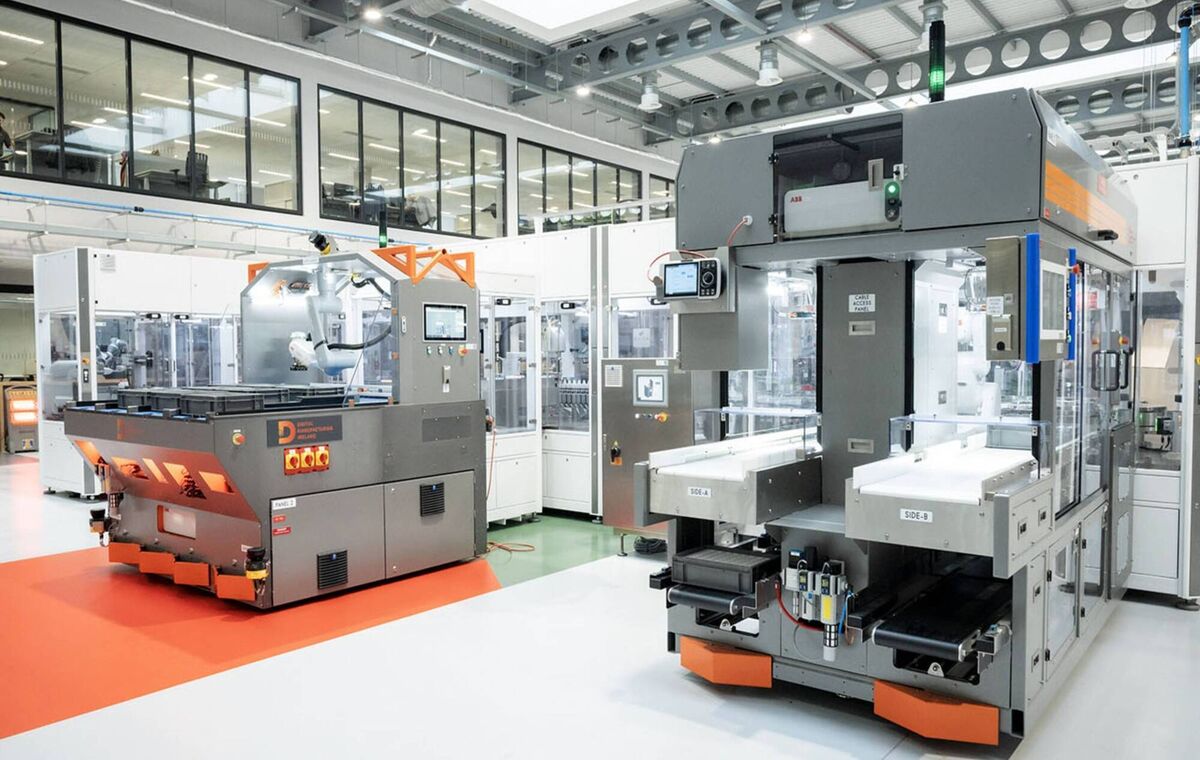
A company investigating a new manufacturing solution, for example, might need a highly specialised set of skills for six months or a year. Recruiting people permanently, bringing them into the organisation and getting them up to speed may make little sense when that expertise is required only for a particular stage of a project.
External partnerships can provide access to those capabilities when they are needed. That does not mean handing innovation over to somebody else.
“You don't really outsource innovation,” Carroll says.
Instead, he sees successful innovation as a partnership in which outside organisations bring different skills and perspectives while the manufacturer and its own employees remain closely involved in developing the solution.
Companies can innovate by themselves, he says, but they can often do it “faster and better” with external input.
There is another advantage to bringing in an outside perspective.
“Employees inside a manufacturing business are dealing with the immediate realities of keeping production running, meeting customer requirements and solving everyday problems. Asking the same people simply to think differently can be difficult when those pressures remain,” he says.
An external partner can help widen the horizon. That is the space DMI aims to occupy: not replacing a company's own expertise, but temporarily adding skills and perspective that it may not have internally.
Carroll says DMI does not seek to become a long-term service provider embedded indefinitely in a manufacturer's operations.
“We always see ourselves as a temporary help for people,” he says.
One project illustrates how that can work in practice.
DMI worked with a relatively small manufacturing company employing around 100 people which wanted to win new business. To do so, it needed to demonstrate that it could manufacture more product, more quickly and at the required price point.
DMI brought in expertise that the company did not have readily available internally.
Its team worked with the manufacturer to create a digital representation of its product, examine how it could present the proposition to potential customers and undertake engineering work around issues including price points.
DMI then supported the business as it moved from planning into execution, including the introduction of new technology and the upskilling required around it. The company ultimately succeeded in winning a significant amount of new business.
For Carroll, this example demonstrates the difference between partnership and outsourcing. DMI was not investing in the company and it was not taking over its manufacturing operation. Its engineers and manufacturing specialists worked alongside the existing team to help design, optimise and implement what Carroll describes as its “next generation of manufacturing”.
Access to experience is particularly valuable because DMI's team largely comes from manufacturing itself.
That means its specialists understand the practical environment in which a proposed technology has to work, an important distinction when companies are being presented with a constant stream of new technologies and promises about what they can deliver.
For smaller manufacturers in particular, Carroll believes the starting point should never simply be the technology. Artificial intelligence is a good example.
“A lot of the time,” he says, organisations decide that “we need some AI in our organisation”.
DMI's response is to go backwards.
“Let's not talk about AI first. Let's talk about your business and what it is your business needs for the future.” That need might be greater competitiveness. It could be a new product, increasing customer numbers or plans to export. Only when the business objective is understood does the conversation move to the technology that might help achieve it.
The distinction is especially important for SMEs.
A large manufacturer may have a dedicated engineering or innovation team with the capacity to investigate emerging technologies. In a smaller company, the chief executive may simultaneously be responsible for sales, engineering and production.
The problem is therefore not simply money. It is time and bandwidth.
With limited capacity to investigate different options, smaller businesses can find themselves heading down the wrong technology path because they have not had enough time at the beginning to define what they actually need.
Carroll argues that spending several hours working out the strategy can ultimately be a better investment than rushing towards the latest technology.
Understanding the business problem comes first. Technology follows.
“We would always caution against starting with a tech-first approach,” he says.
That principle may become more important as the pace of technological change accelerates.
Manufacturers are being asked to respond more quickly to customers, international competitors and changing production requirements, while simultaneously navigating an expanding range of digital tools.
They do not necessarily need to know how to build every capability themselves.
But they increasingly need to know where to find the people who can help them build it — and, perhaps more importantly, when a new technology is actually worth adopting.

CONNECT WITH US TODAY



Be the first to know the latest news and updates